Strategic Adaptation Of Thailand National Oil Plan And The Decline Of E85
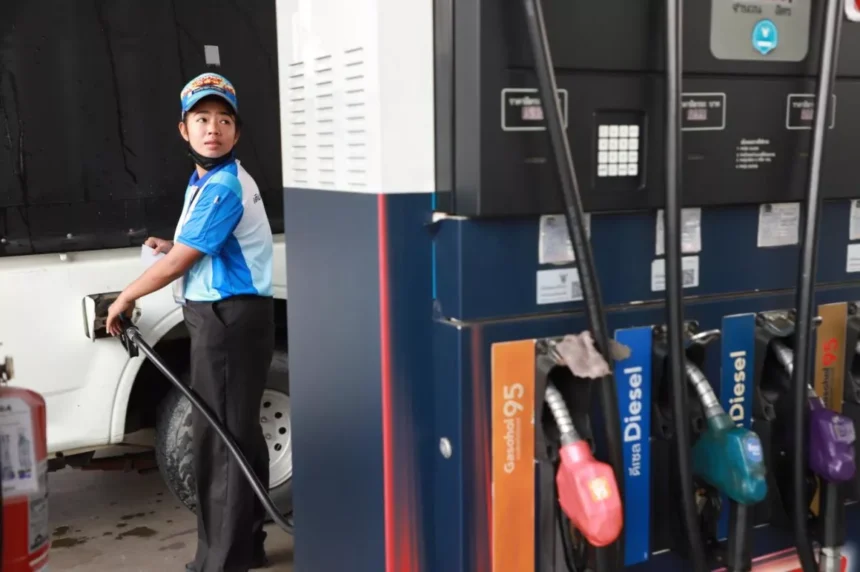
The Department of Energy Business has confirmed that the upcoming National Oil Plan will remain steadfast despite the recent decision by major retailers to phase out E85 gasohol from their service stations across the country. This transition marks a significant shift in the domestic energy landscape, as the high-ethanol blend, which contains eighty-five percent ethanol derived from local cassava and sugar residues, has struggled to maintain commercial viability in a highly competitive market.
Within the first sixty words of this strategic update, it is clear that the cessation of sales by PTT Oil and Retail Business is a calculated response to dwindling consumer demand and a government-led restructuring of the fuel fund. Historically, this specific gasohol grade was introduced as a green alternative to traditional fossil fuels, but its popularity has been overshadowed by more efficient blends like gasohol 95 and the increasingly favored E20.
As the government prepares its comprehensive energy framework for the next twenty-five years, the focus is shifting away from niche biofuel blends that rely heavily on subsidies and toward a more integrated approach that encompasses electric mobility and hydrogen. This evolution ensures that the nation remains on track to achieve its ambitious net-zero emissions target by 2050, even as certain legacy products reach the end of their lifecycle.
Financial Viability And The Role Of Subsidies In Biofuel Transition Hubs
The decision to discontinue the highest ethanol blend is primarily a reflection of the evolving fiscal mechanisms managed by the Oil Fuel Fund, which is moving away from a compensation-based model toward a levy-collection system. For years, the government utilized this fund to cross-subsidize biofuels, but the expiration of these price-support measures has caused the retail price of certain gasohol grades to rise above their less-concentrated counterparts.
Consequently, consumers have naturally gravitated toward gasohol 95, which accounts for nearly twenty million liters of daily demand, compared to the negligible sixty thousand liters recorded for the high-ethanol alternative. This disparity has made it increasingly difficult for station operators to justify the infrastructure costs required to store and dispense a product with such a low turnover rate.
Bangchak Corporation remains the last major provider still offering the blend, though they are expected to reassess their position as market forces continue to prioritize efficiency. Furthermore, the global energy outlook remains complex, with recent reports from the International Energy Agency suggesting that while oil demand may not peak as early as previously thought, the shift toward sustainable aviation fuel and electric vehicles is irreversible.
Future Outlook For Sustainable Mobility And National Energy Security Analysis
From an expert financial and policy perspective, the streamlining of gasohol grades represents a necessary consolidation phase that will actually enhance the resilience of the Thai energy sector. The reduction of redundant fuel types allows for a more focused investment in the production of E20 and biodiesel B7, which have been designated as the primary road fuels of the future.
This strategic narrowing of the product portfolio reduces logistics and storage overhead for major refineries, while simultaneously simplifying the choice for the average motorist. We interpret the surplus of ethanol resulting from this phase-out as a strategic asset, as it can be repurposed for the burgeoning sustainable aviation fuel market, which is set to become a mandatory requirement for flights departing from domestic airports starting next year.
This pivot not only preserves the livelihoods of cassava and sugarcane farmers but also positions the country as a regional leader in advanced biofuel technologies. As the National Oil Plan integrates with the broader Power Development Plan, the synergy between renewable energy and modernized transport fuels will provide a more stable foundation for economic growth while ensuring domestic energy security.
Regional Biofuel Equilibrium And Strategic Industrial Repurposing Analysis
The recent shifts in the Thai energy portfolio underscore a broader macroeconomic trend toward data-driven policy adjustment and regional energy leadership within the ASEAN corridor. The decision to allow market forces to dictate the sunset of the high-ethanol gasohol grade demonstrates a maturing regulatory environment that prioritizes long-term sustainability over short-term price manipulation.
We analyze this move as a critical step in reducing the volatility of the national energy balance, as the reliance on heavily subsidized niche fuels often creates artificial price floors that can distort industrial competitiveness. By focusing on E20 as a primary road fuel, the government is effectively leveraging its massive domestic agricultural base while preparing for the inevitable saturation of the passenger vehicle market by electric alternatives.
This dual-track strategy providing high-efficiency biofuels while incentivizing the electric vehicle transition offers a unique buffer against global oil price shocks that many neighboring markets currently lack. Furthermore, the integration of international data from the International Energy Agency into the 2026-2050 National Oil Plan suggests a commitment to evidentiary planning that will likely improve the country’s attractiveness to foreign direct investment.
The reallocation of ethanol production toward the aviation sector is particularly astute, as it taps into a high-barrier-to-entry market with significantly higher margins than road transport fuels. This transition reflects a sophisticated understanding of the industrial lifecycle, where the infrastructure of the old economy is repurposed to serve the needs of the new one.
As the nation moves toward its 2050 carbon neutrality goal, the agility shown by major energy players like PTT and Bangchak in restructuring their portfolios will be the primary driver of sectoral productivity. Ultimately, the health of the Thai economy is becoming increasingly tied to its ability to innovate within the energy-agriculture nexus, transforming traditional commodities into high-value technological exports.
This strategic evolution sets a benchmark for other Southeast Asian nations that are currently grappling with the balance of rural agricultural support and urban decarbonization efforts. By prioritizing the economic reality of fuel consumption over legacy policy commitments, the energy ministry is ensuring that the domestic market remains efficient and capable of meeting future environmental standards without placing an undue burden on the national treasury.