Breakthrough Policies For Developing National Energy Centers
Vietnam is preparing to introduce a series of breakthrough policies aimed at establishing specialized hubs to secure its national energy future and support rapid economic expansion. Chairman of the Central Policy and Strategy Commission, Nguyen Thanh Nghị, emphasized that developing these strategic energy pillars is a fundamental requirement for building a modern and integrated infrastructure system over the next five years. The government is committed to transitioning the domestic energy industry toward cleaner sources while positioning the country as a regional exporter of renewable energy.
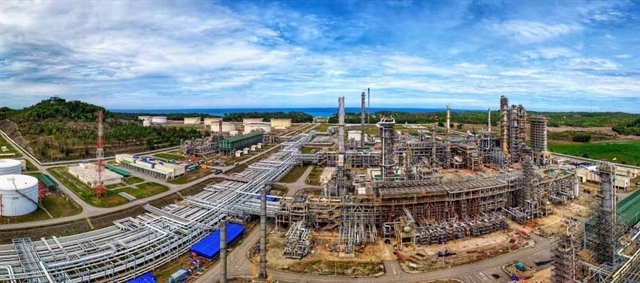
This ambitious roadmap for national energy development includes the creation of several clean energy hubs by 2030 across the Red River Delta, the south central coast, and the Central Highlands. Central to this vision is a proposed refining and energy hub at the Dung Quat Economic Zone, which carries an estimated investment of up to 20 billion dollars by 2045. Once operational, this specific project is designed to meet at least 30 percent of the country’s total fuel demand and provide strategic reserves equivalent to 30 days of production.
By enhancing the domestic national energy framework, Vietnam intends to reduce its heavy reliance on foreign imports and attract significant levels of foreign direct investment. This push is increasingly urgent as the country targets an annual economic growth rate of at least 10 percent between 2026 and 2030. Ensuring a stable and resilient supply of power and fuel is viewed as a strategic necessity in an era of global market instability that threatens local industrial productivity and manufacturing output.
Integrated Development Of The Dung Quat Economic Zone
The development of the refining and energy hub at the Dung Quat Economic Zone represents a strategic task that addresses the intensifying competition in global markets. Experts from PetroVietnam and the Ministry of Industry and Trade highlight that this project must be viewed within the broader context of securing the national energy supply for a rapidly industrializing nation. The center is envisioned as an integrated development space that combines traditional refining and petrochemicals with liquefied natural gas, power generation, and renewable energy sources.
This ecosystem will leverage the existing Dung Quat refinery as its core, connecting it with offshore wind power, deep water ports, and emerging green hydrogen value chains. By integrating these various sectors, the country can enhance its production capacity and significantly lower its dependence on imported petroleum products. Furthermore, this integrated approach supports the long term goal of achieving net zero emissions by 2050 through the advancement of green ammonia and carbon capture technologies.
A breakthrough approach is currently needed to coordinate this entire ecosystem effectively, with calls for specialized policy mechanisms to streamline investment approvals. Proposals include a one stop approach for land allocation and the direct appointment of qualified subsidiaries to manage core renewable energy projects. This coordinated strategy is essential for translating high level policy goals into a functional and future ready system that can withstand external economic shocks while promoting regional trade integration within the ASEAN block.
Investment Incentives And Policy Frameworks For Future Growth
To unlock the full potential of these energy centers, the government is considering a range of foundational policy mechanisms designed to attract large scale investment. One key proposal involves a sandbox pilot program to establish an internal market within the center, allowing for the direct trading of electricity, steam, and secondary energy among enterprises. Such a market would foster efficiency and provide initial support for emerging energy products that are currently in the early stages of development.
Local management boards have identified the lack of strong incentives as a primary bottleneck and are calling for the central government to allocate a portion of import export revenues back into infrastructure development. This would include special investment procedures and exemptions from land auctions for projects located within the national energy zones. Industry representatives from the refining sector have also stressed the need for a flexible and tailored policy package given the massive capital requirements and long investment cycles involved.
Recommended incentives include higher corporate income tax breaks, exemptions on surface rental fees, and import duty relief for essential raw materials. Shortening project preparation timelines through special investment procedures is also seen as a vital step in maintaining momentum. As the government finalizes the implementation roadmap, the focus remains on whether these bold ambitions can be translated into a coherent energy system that balances economic growth with environmental sustainability and long term fiscal health.
Regional Energy Hubs and Vietnamese Industrial Strategy
The strategic pivot toward centralized energy hubs signifies a fundamental maturation of the Vietnamese industrial landscape, with deep implications for regional energy stability. We analyze that the 20 billion dollar investment in the Dung Quat Economic Zone is not merely an infrastructure project but a sophisticated capital deployment aimed at de-risking the national economy from global commodity volatility. From a professional analytical perspective, the goal of meeting 30 percent of fuel demand and maintaining 30 days of strategic reserves acts as a massive hedge against the inflationary pressures of the global oil market. We observe that by internalizing the value chain of refining and petrochemicals, Vietnam is positioning itself to capture higher margins that were previously lost to foreign exporters.
Furthermore, the integration of green hydrogen and offshore wind into a traditional petrochemical core reflects a forward-looking transition that aligns with global ESG investment trends. We analyze that this hybrid model will likely attract a new tier of institutional investors who are seeking exposure to emerging markets with clear decarbonization roadmaps. However, the proposed one-stop investment mechanisms and the bypassing of traditional bidding processes for state-owned entities highlight a tension between rapid execution and market-driven transparency. Professional analysts suggest that while these breakthrough policies are necessary to meet the 10 percent GDP growth target, the long-term success of the internal energy market sandbox will depend on the creation of a level playing field for private sector participants and efficient resource allocation.
We anticipate that as Vietnam moves toward being a regional exporter of renewable energy, its role within the ASEAN power grid will expand significantly, creating new opportunities for cross-border energy trading and finance. The success of the Dung Quat project will serve as a critical test case for the nation’s ability to manage complex, multi-decade investment cycles in a high-interest-rate environment. Ultimately, the synthesis of domestic production capacity with advanced carbon capture and storage will determine if Vietnam can maintain its industrial competitive advantage while adhering to its net-zero commitments. This strategic evolution marks a transition from a labor-intensive economy to a capital-intensive energy hub, redefining the country’s economic trajectory for the next thirty years and ensuring a more resilient regional financial architecture.