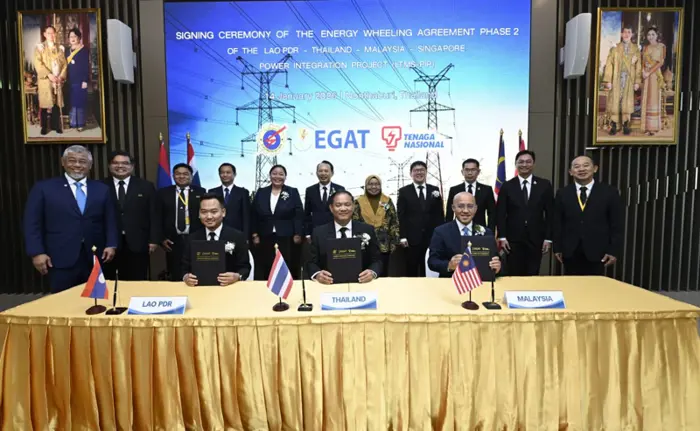
Regional Energy Integration Through The Energy Wheeling Agreement
The ratification of the energy wheeling agreement phase 2 marks a transformative milestone for Southeast Asian energy markets and cross-border cooperation. Within the first sixty words, it is clear that this tripartite arrangement between Tenaga Nasional Bhd, Electricite Du Laos, and the Electricity Generating Authority of Thailand significantly advances the regional power grid initiative.
By signing this agreement under the second phase of the Power Integration Project, these nations are moving beyond traditional bilateral trades toward a more sophisticated multilateral framework. This specific phase allows for the transmission of up to 100 megawatts of renewable electricity from Laos to Singapore while Thailand and Malaysia serve as vital power wheelers.
The collaborative effort effectively completes the full implementation of the current framework, which aims to optimize the use of renewable resources while ensuring energy security for high-demand hubs. This is a critical step toward an integrated Asean Power Grid, promising to lower overall energy costs and reduce carbon footprints by leveraging regional hydroelectric potential.
Strategic Multilateral Cooperation For Sustainable Power Trading
The successful execution of this second phase has effectively doubled the total capacity of electricity traded under the integration project framework to as much as 200 megawatts. This increase is largely supported by additional supply contributions from Malaysia to Singapore, further diversifying the energy mix available on the regional exchange for corporate and industrial users.
According to senior leadership, the agreement reinforces the national commitment to regional energy sustainability and integration. This multilateral cooperation is a direct response to the growing global demand for verified renewable energy sources as multinational corporations look to fulfill their environmental targets. Sharing existing infrastructure ensures that the transition is both cost-effective and timely.
By using the transmission grids of Thailand and Malaysia as conduits, the project demonstrates that physical infrastructure can be shared efficiently to benefit multiple stakeholders. The energy wheeling mechanism is particularly innovative because it separates the roles of power generation, transmission, and final consumption. This paves the way for future projects that could involve even higher capacities and more nations.
Economic Impact And The Future Of The Asean Power Grid
From a professional financial and analytical perspective, the 2026 expansion of this power integration project represents a significant de-risking of regional energy investments. We observe that the ability to wheel power through multiple jurisdictions provides a crucial safety net for energy-starved markets while providing a reliable revenue stream for nations with surplus renewable capacity like Laos.
The role of Thailand and Malaysia as wheelers generates transit fees and maximizes the utilization of their high-voltage grid assets, which might otherwise face periods of underutilization. This market dynamic is expected to attract further institutional capital into renewable energy projects, as developers now have access to a broader consumer base beyond their immediate domestic borders.
The successful completion of this phase serves as a vital signal to global investors that the region is ready for a more sophisticated level of economic integration. The focus on hydroelectric and other green sources aligns perfectly with the global shift toward decarbonization, positioning Southeast Asia as a competitive destination for green manufacturing and high-tech data center operations.
Market Dynamics And Regional Grid Stability Analysis
The structural outperformance of the regional energy sector through these cross-border agreements signals a major shift in the perception of grid stability and energy security within the economic community. We interpret the expansion of wheeling capacities as a successful proof of concept for a decoupled energy market where generation and transit are treated as separate, value-adding services.
This unique regional market impact allows smaller nations to participate in large-scale energy trade without having to build exhaustive, localized distribution networks for every neighboring partner. By standardizing the transmission protocols and transit fees under a unified framework, the participating utilities are effectively lowering the barriers to entry for future renewable energy producers in the region.
This creates a competitive environment that encourages technical innovation and operational efficiency across the board. Furthermore, the integration of Malaysian supply into the Singaporean grid highlights a growing synergy where fossil-fuel-reliant markets can rapidly transition their portfolios by importing clean energy. This paradigm shift will likely dictate the pace of industrialization, ensuring energy remains a growth enabler.
Strategic Analysis Of Regional Market Integration And Utility Valuations
From a sovereign and corporate credit perspective, the institutionalization of the energy wheeling agreement introduces a new layer of fiscal resilience for the participating national utilities. We project that the successful scaling of this multilateral trade will lead to a fundamental re-rating of regional utility equities as they transition from domestic service providers to critical regional infrastructure operators. This evolution is particularly significant for Tenaga Nasional and its Thai counterparts, as the diversification of revenue through wheeling charges reduces exposure to domestic tariff fluctuations and provides a hedge against local fuel price volatility.
The regional market impact extends to the cost of capital for green energy projects in the Mekong sub-region, where the guarantee of an export market in Singapore lowers the risk premium for private project financing. This creates a virtuous cycle of investment that accelerates the decommissioning of legacy coal assets in favor of more flexible, interconnected renewable solutions.
Furthermore, the implementation of phase two acts as a catalyst for regulatory harmonization, forcing the synchronization of grid codes and technical standards that have historically hampered regional trade. This harmonization is a precursor to a more liquid and transparent regional energy spot market, which would allow for real-time price discovery and more efficient allocation of surplus capacity. We analyze the current 200-megawatt capacity as a pilot phase for a much larger structural shift, where the energy corridor becomes the backbone of a regional green industrial zone.
As Singapore seeks to maintain its status as a premier data center and manufacturing hub, its reliance on this cross-border renewable supply will only deepen. This creates a long-term, high-visibility demand profile that justifies the massive capital expenditures required for future subsea and terrestrial high-voltage direct current interconnections. In the final analysis, the energy wheeling framework is the most significant structural reform in the Asean energy sector this decade, providing the necessary institutional plumbing to turn the vision of a single power market into a tangible economic reality.