EVFTA Bolsters Vietnam-Italy Trade
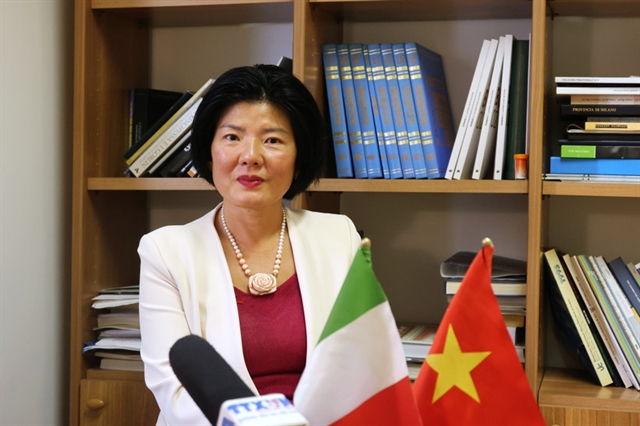
Over the past five years, the EU-Việt Nam Free Trade Agreement (EVFTA) has proven to be a powerful catalyst for economic and trade relations between Vietnam and Italy. According to Dương Phương Thảo, the Vietnamese Trade Counsellor in Italy, the agreement has been instrumental in helping both countries navigate significant global challenges such as the COVID-19 pandemic, geopolitical tensions, and inflationary pressures. The resilience of the EVFTA is demonstrated by the robust growth in bilateral trade, which surged by 49% from US$4.62 billion in 2020 to US$6.91 billion last year, despite widespread disruptions to global supply chains. A deeper look at the numbers reveals even more impressive gains. Vietnam’s exports to Italy alone increased by a remarkable 58%, reaching nearly $4.94 billion, with key sectors like iron and steel, electronics, and coffee experiencing explosive growth.
Unlocking New Opportunities and Strategic Partnerships
The EVFTA has provided substantial tariff advantages that have unlocked major opportunities for Vietnamese exporters and facilitated a significant increase in trade. Key product categories such as agricultural and aquacultural products, textiles, and electronics have benefited from these preferences, while Vietnam’s imports from Italy, which rose by 30% to approximately $1.97 billion, have been concentrated in machinery and high-end goods like wine. Beyond trade in goods, the agreement has cemented Vietnam’s role in global supply chains and established it as a priority market for Italy’s international expansion, supported by stronger linkages between small and medium-sized enterprises. Furthermore, the EVFTA has been a crucial driver of institutional reforms in Vietnam, encouraging the adoption of greener production practices and attracting Italian investment in technology and renewable energy sectors, aligning with the nation’s long-term sustainable development goals.
Persistent Hurdles for Key Vietnamese Sectors
Despite the overall success, certain Vietnamese sectors have struggled to fully leverage the benefits of the EVFTA. The seafood industry, for instance, has faced significant limitations on its exports of shrimp and tra fish to Italy due to the “yellow card” imposed by the European Commission for illegal, unreported, and unregulated (IUU) fishing. Logistical challenges such as high shipping costs and extended delivery times have further compromised the freshness and competitiveness of products, while strict EU food safety standards have proven to be a major obstacle, especially for many small and medium-sized enterprises. Similarly, the textile and footwear industries have been held back by their heavy reliance on materials from China, which makes it difficult to meet the crucial rules of origin requirements necessary to qualify for the agreement’s tariff preferences.
Future-Proofing Trade Amidst Global Challenges
To maximize the benefits of the EVFTA, Vietnamese firms and the government must address these persistent hurdles. This includes a strong push for compliance with EU regulations, investment in clean production methods, and enhancing product traceability. The Vietnamese Trade Counsellor also cautioned that Vietnam’s competitive edge may be challenged in the future as the EU pursues free trade agreements with other ASEAN nations like Thailand, Indonesia, and Malaysia. If these agreements are finalized, they could erode Vietnam’s tariff-based advantages in sectors like agriculture and textiles. The ongoing US-China trade tensions and a new 20% US reciprocal tariff on Vietnamese goods will also add further pressure to supply chains. Therefore, Thảo emphasized that maintaining competitiveness requires a continued focus on product quality, sustainable production, and design innovation to ensure the long-term viability of the Vietnam-Italy strategic partnership.