Strategic Rail Infrastructure Development Led By Fecon
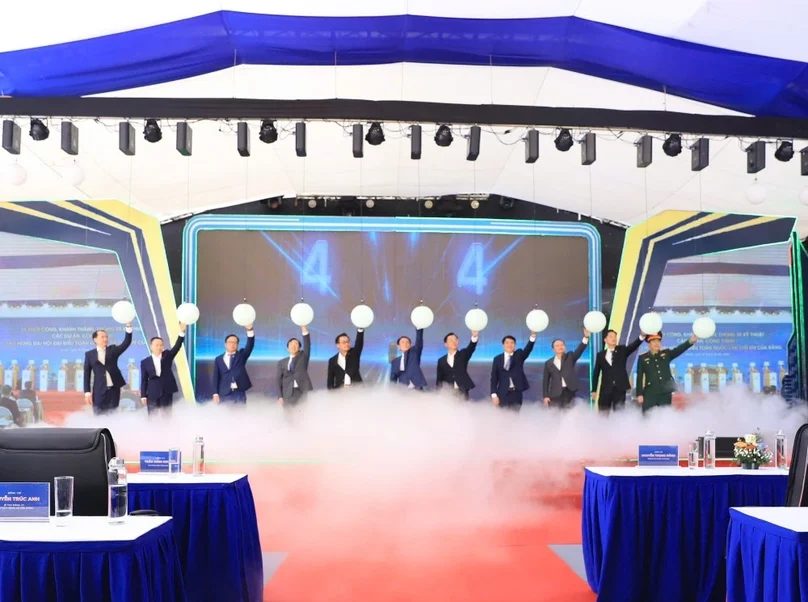
The Vietnamese construction sector reached a significant milestone this Friday as Fecon officially broke ground on two transformative rail projects in the northern region. Within the first sixty words of this report, it is confirmed that the group is spearheading critical foundation works for the capital city metro network.
The primary focus of this initial phase involves comprehensive ground leveling and specialized soft soil treatment at the designated Son Dong depot area. This facility is planned to serve as the central operations and maintenance hub for Metro Line Number Five which connects downtown to high tech zones.
By leveraging their technical expertise in geological engineering, the consortium ensures that the structural integrity of the rail line is secured from the start. This project is a vital component of the urban master plan designed to alleviate traffic congestion and promote sustainable public transportation for millions.
The commencement of these works signals a strong commitment to meeting the phased development goals set by municipal authorities for the upcoming decade. With a history of successful tunnel boring operations and ground treatment in previous metro lines, the group is well positioned to deliver high quality results.
As the nation prioritizes modern rail systems, the involvement of experienced local contractors remains essential for the timely completion of such complex urban tasks. The integration of these systems into the existing urban fabric will fundamentally change how residents navigate the metropolitan area.
Expanding Inter Regional Connectivity Through Strategic Railways
In addition to urban transport, Fecon has simultaneously launched its involvement in the first phase of the strategic Lao Cai to Hai Phong railway. This massive infrastructure undertaking is designed to strengthen the logistical link between the northwestern provinces and the major seaport system in the north.
The first phase of construction focuses heavily on the essential trackbed foundations at various stations and the development of expansive station squares for public use. The company is currently undertaking significant civil works at the Nam Hai Duong station to ensure the rail bed meets international standard gauge specifications.
This railway project was officially approved by the National Assembly under a specific resolution to support the movement of both passengers and freight traffic. Spanning nearly four hundred kilometers, the line passes through six major provinces and cities to create a seamless corridor for trade and industrial growth.
The integration of this network with neighboring international rail systems in Lao Cai will significantly enhance cross border commerce and regional economic integration.
By connecting the border gate directly to the Lach Huyen port station, the government aims to reduce logistics costs and improve national competitiveness.
Public investment continues to be the primary funding source for this project with an ambitious target for full operational completion by the year 2030. This timeline reflects the urgency of the state to modernize its transport corridors to support rapid industrialization and agricultural exports.
National Infrastructure Strategy And Future Rail Networks
The simultaneous launch of these two major projects underscores a renewed national focus on railway development as a cornerstone of the infrastructure strategy. During the period between 2025 and 2030, the country plans to channel heavy investment into urban rail systems in both Hanoi and Ho Chi Minh City.
The capital city alone intends to develop an extensive network consisting of fifteen separate urban rail lines to modernize its aging transportation landscape. Strategic corridors linking seaports, border gates, and major logistics hubs remain the top priority for long term capital allocation and government oversight.
This shift toward rail transportation reflects a broader environmental goal to reduce carbon emissions and move away from heavy reliance on road based logistics. Experienced firms like Fecon are playing a pivotal role in this transition by applying advanced construction technologies to solve complex underground engineering challenges.
The previous experience of the group with tunnel boring machines and soil stabilization has laid a solid foundation for their current and future project participation.
As the country moves toward a more integrated and efficient transport model, the collaboration between the state and local contractors will define the success of these plans.
Ultimately, the modernization of the rail sector will drive industrial efficiency and provide a faster and more reliable way for people to travel across the country. The long term benefits of these investments will be felt across multiple sectors, from tourism to high tech manufacturing and international trade.
Analytical Commentary On Regional Logistic Synergies And Economic Impact
From a professional financial and engineering perspective, the simultaneous advancement of these rail projects represents a critical shift in the domestic logistics cost structure. By integrating standard gauge rail lines with primary seaport hubs, the country is effectively lowering the barrier for high volume industrial exports and bulk commodity trade.
The involvement of specialized firms like Fecon in soft soil treatment is a technical necessity given the challenging geological conditions of the Red River Delta region. This expertise prevents long term maintenance costs and ensures that the heavy freight lines can operate at maximum capacity without significant structural degradation over time.
The strategic connection to the northern border further enhances the north south corridor, allowing for a more resilient supply chain that is less susceptible to road congestion. Investment in these rail systems functions as a significant economic multiplier, stimulating local construction industries and creating specialized jobs in railway engineering and maintenance.
Furthermore, the expansion of the urban metro network is expected to trigger a significant re rating of real estate values in outlying districts like the Hoa Lac area. As these areas become more accessible to the city center, we can expect a decentralized growth pattern that reduces the socioeconomic pressure on the urban core.
The successful delivery of these public funded projects will serve as a definitive benchmark for the nations ability to manage large scale infrastructure upgrades independently. In the long run, this rail centric approach will provide the structural backbone necessary for the country to sustain its high growth trajectory in a competitive global market.