Strategic Bilateral Cooperation To Secure National Food Supplies
The stability of national food supplies has become a top priority for the Malaysian government as global geopolitical tensions continue to disrupt traditional trade routes and agricultural production. Agriculture and Food Security Minister Datuk Seri Mohamad Sabu recently emphasized that fostering deep and resilient ties with Vietnam is a critical strategy to insulate the domestic market from the volatility triggered by ongoing conflicts in West Asia.
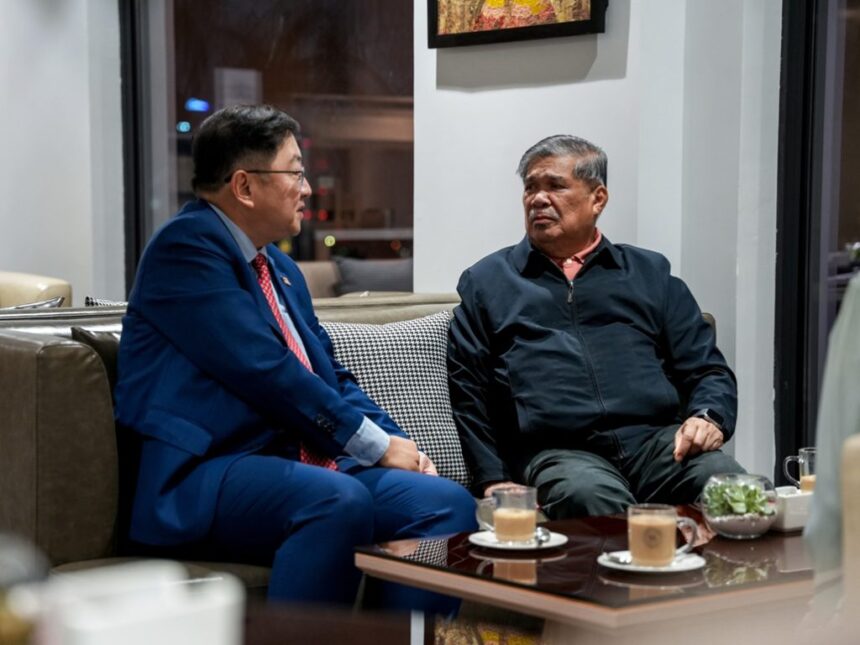
During a high level working visit to Hanoi, the minister underscored that ensuring a steady inflow of essential commodities is no longer just a matter of trade but a fundamental pillar of national security. Vietnam has long served as a reliable partner in providing the caloric needs of the Malaysian population, particularly through the consistent export of high quality rice and other agricultural staples.
By strengthening this specific partnership, the ministry aims to create a protective buffer against the global supply crisis that has sent prices soaring in other regions. This proactive approach reflects a strategic shift toward a more forward looking agricultural policy that anticipates potential disruptions before they manifest in local markets. The commitment to maintaining robust food supplies ensures that every household can access affordable nutrition.
Navigating Global Supply Chain Disruptions And Market Volatility
As the world grapples with a systemic breakdown in logistical efficiency and agricultural output, the necessity for localized and regional solutions has never been more apparent. The minister noted in a recent update that the current global situation requires Malaysia to broaden its supply sources and move beyond traditional procurement models to ensure that food supplies remain sufficient and secure for all citizens.
The strategic significance of Vietnam lies in its geographical proximity and its massive production capacity, which offers a logistical advantage over more distant trade partners. By securing long term commitments for key commodities like rice, Malaysia is effectively hedging against the risk of sudden export bans or dramatic price spikes that often occur during times of international crisis.
Ensuring that these food supplies are managed through transparent and efficient channels is vital for maintaining price stability in local grocery stores and markets. The minister’s visit also focused on the technical aspects of agricultural cooperation, including the exchange of best practices in farming technology. This collaborative spirit helps build a more resilient regional agricultural ecosystem that can withstand the pressures of climate change and fluctuating fuel costs.
Regional Agriculture And Economic Resilience
The ties between Malaysia and Vietnam agricultural corridor is a necessary move in macroeconomic risk management that stabilizes the domestic consumer price index. We analyze that by securing a primary source for food supplies within the ASEAN region, the government is effectively reducing the currency risk associated with importing staples from non regional markets.
This move is particularly important for the banking sector and institutional investors, as food inflation is one of the primary drivers of interest rate volatility and sovereign credit stability. We observe that the ability to maintain a predictable cost of living is essential for supporting domestic consumption and preventing the erosion of real wages.
From an investment standpoint, the integration of regional supply chains creates new opportunities for Malaysian agribusinesses to expand their footprint through joint ventures and infrastructure development. We anticipate that this strategic alignment will lead to a more synchronized regional response to future supply shocks, reinforcing the collective economic strength of the ASEAN bloc. This analytical approach ensures that the nation remains an attractive hub for foreign capital.
Macro-Economic Implications Of Intra-ASEAN Commodity Corridors
The strategic pivot toward Vietnam as a cornerstone for Malaysian food supplies represents a sophisticated shift in regional trade dynamics that addresses the structural vulnerabilities of the local economy. We analyze that the consolidation of agricultural trade within the ASEAN trade bloc serves as a critical hedge against the weaponization of global supply chains and the increasing volatility of international freight costs. By establishing a preferential trading relationship for essential commodities, Malaysia is effectively decoupling its food inflation from the broader fluctuations of the global commodities market.
This localized sourcing strategy minimizes the exposure to US dollar denominated transactions, thereby preserving foreign exchange reserves and providing a more stable outlook for the Malaysian ringgit. We observe that the predictability of these supply lines allows for more accurate fiscal planning and reduces the need for expensive government subsidies to stabilize prices for the general population. Furthermore, this bilateral cooperation acts as a catalyst for deeper economic integration, encouraging reciprocal investments in cold chain logistics and agri-tech innovation that enhance the overall productivity of the Southeast Asian agricultural sector.
From a credit perspective, the successful management of food security serves as a primary indicator of institutional strength and social stability, which are key metrics used by global rating agencies. We anticipate that as Malaysia strengthens its food supplies through these strategic alliances, the nation will see a corresponding reduction in its inflation risk premium, leading to more favorable borrowing costs in the international bond markets. The development of a resilient regional food corridor is essential for maintaining the competitive edge of the national labor force, as stable food prices ensure that real household incomes are preserved.
This environment fosters a more robust domestic credit market, as consumers are less likely to experience financial distress due to sudden spikes in the cost of living. Ultimately, the integration of the Malaysia Vietnam agricultural axis provides a blueprint for regional self sufficiency that strengthens the sovereign profile of both nations. By prioritizing these regional supply chains, the administration is not only securing the nation’s pantry but is also building a more resilient and integrated regional economy that can withstand the dual pressures of global geopolitical instability and shifting climatic patterns.