Empowering Local Communities Through Inclusive Carbon Trading
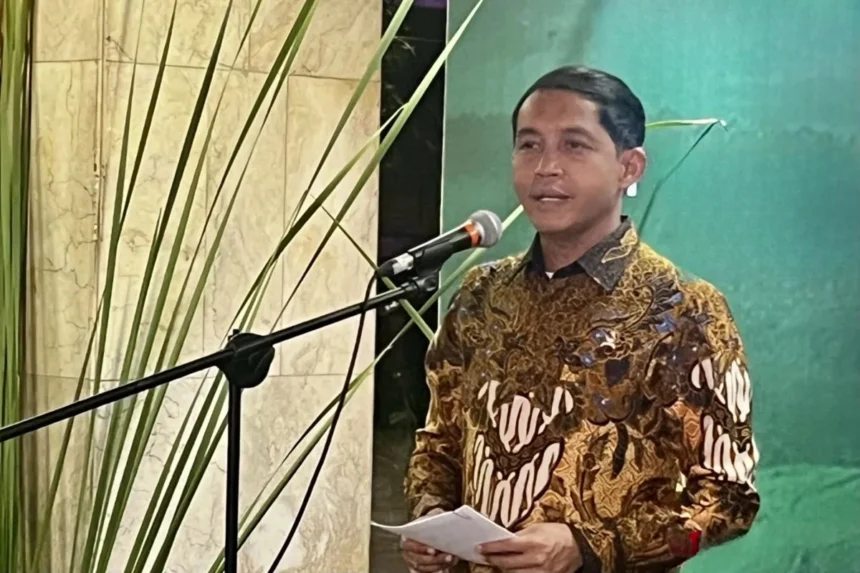
The Indonesian government is making a definitive move toward a more transparent and accessible environmental economy by ensuring that forestry carbon trading remains an open and inclusive process for all stakeholders. Forestry Minister Raja Juli Antoni recently highlighted that under the leadership of President Prabowo Subianto, the nation will prioritize a system where the private sector and local communities work together toward the shared goals of forest preservation and public welfare. This initiative is officially backed by Presidential Regulation Number 110 of 2025, which outlines the implementation of carbon economic value instruments and the control of national greenhouse gas emissions.
By shifting away from exclusive or closed market spaces, the government aims to create a legitimate platform where those who actually protect the land can finally see tangible rewards for their environmental stewardship. The minister emphasized that this is not merely a technical adjustment but a necessary step to ensure that the transition to a green economy remains grounded in the principles of social justice and state appreciation for grassroots forest guardians. As the nation moves forward with these reforms, the primary focus remains on transforming the way natural resources are valued, ensuring that ecological protection is directly linked to the economic empowerment of the people living closest to these vital ecosystems.
This approach ensures that the benefits of environmental markets are distributed fairly across different layers of society, moving beyond the traditional models that often favored large scale industrial players over small scale local participants. By fostering an environment of openness, Indonesia is positioning itself as a global leader in equitable climate finance. The integration of community interests into the carbon trading framework is expected to enhance the long term viability of conservation projects, as local residents become active partners with a vested financial interest in maintaining the integrity of the forest canopy.
Legal Frameworks Strengthening Social Forestry Participation
To solidify these objectives, the Ministry of Forestry promulgated Regulation Number 6 on April 13, 2026, which specifically details the procedures for carbon trading through greenhouse gas emission offsets within the forestry sector. This legislative milestone is designed to recognize and integrate social forestry and customary forest schemes as legitimate components of the national emission control strategy. By providing a clear legal pathway for indigenous communities and local farmers, the state is effectively placing these groups as equal participants in the carbon trading system.
Minister Antoni pointed out that those who maintain land cover and care for the complex Indonesian ecosystems now have a formal opportunity to participate in the economic benefits generated by their conservation efforts. This recognition is a vital part of the government’s strategy to turn carbon into a sustainable source of financing for critical activities such as forest rehabilitation, ecosystem restoration, and the overall management of sustainable forest lands. The goal is to ensure that the resulting economic advantages go hand in hand with long term ecological health and social stability.
By establishing a rigorous set of procedures, the government is also working to prevent the sector from becoming an exclusive or opaque environment, which has historically been a concern in the global marketplace for environmental credits. Instead, the focus is on building a robust and verifiable system that provides clear incentives for keeping forests standing while offering equitable benefits to the millions of people who depend on these natural resources for their daily livelihoods and cultural identity. This regulatory clarity is expected to attract more stable, long term investment from international buyers seeking high quality, ethically sourced carbon offsets.
Sustainable Financing For Long Term Ecological Restoration
The long term vision for Indonesia’s environmental strategy involves using the economic value of carbon trading as a primary incentive for maintaining sustainable ecosystems across the archipelago. Minister Antoni reiterated that the government wants to ensure that the economic value derived from these markets serves as a crucial part of the effort to increase the total worth of forests beyond simple timber production. This strategy is intended to provide the necessary funding for extensive conservation projects that are often underfunded, creating a reliable financial stream that supports the health of the planet while enriching local populations.
Through the successful implementation of these inclusive policies, the ministry believes that carbon can become a cornerstone of the national green economy, providing the capital needed for large scale restoration and the protection of biodiversity hotspots. By involving both the private sector and social forestry groups, the government is creating a more resilient market that is less susceptible to the fluctuations of any single industry. This inclusive carbon trading model serves as a concrete manifestation of social justice, rewarding those who have historically been the silent guardians of the nation’s greenery.
As these regulations take full effect throughout 2026, the focus will remain on transparency and the active participation of indigenous communities to ensure that the benefits are felt at the grassroots level. Ultimately, the integration of ecological, economic, and social benefits will define the success of this new era in Indonesian forestry, proving that environmental protection and poverty reduction can be achieved simultaneously through well regulated and open market mechanisms that value every participant’s contribution to the global climate effort. This paradigm shift marks a critical evolution in how the nation interacts with its natural heritage and the global financial community.
Indonesian Carbon Markets And Regional Capital Flows
The 2026 regulatory updates represent a fundamental de risking of the Indonesian forestry sector for institutional ESG investors. By formalizing the inclusion of customary forests and social forestry into the carbon trading ecosystem, the government has addressed one of the most significant barriers to entry: land tenure and social conflict risk. We analyze that this move will likely result in a premium for Indonesian carbon credits on the global voluntary market, as buyers increasingly prioritize high integrity offsets that demonstrate clear social co benefits. The transition from an exclusive private model to an inclusive community based framework creates a diverse supply side that can better withstand political and environmental shocks.
Furthermore, the integration of carbon as a sustainable source of financing for restoration will act as a major catalyst for the domestic financial services industry. We expect to see the emergence of specialized green banking products and insurance instruments designed to protect carbon assets managed by local cooperatives. This market maturation will likely lead to increased regional liquidity within the ASEAN carbon corridor, positioning Jakarta as a central hub for nature based solutions. The emphasis on openness and inclusivity serves as a powerful market signal that Indonesia is moving toward a highly regulated, high transparency environment, which is essential for attracting large scale sovereign wealth and pension fund capital.
Finally, the impact on regional public welfare and rural development cannot be overstated, as the direct flow of carbon capital to indigenous groups represents a non inflationary revenue stream for local economies. We conclude that the strategic alignment of the 2025 and 2026 regulations provides a robust roadmap for national economic resilience. By converting standing forests from a liability into a high value liquid asset, the state is effectively creating a new asset class that supports the broader goal of a 0.21% contribution to global emission reduction targets while maintaining 9.5% regional growth in the green sector. This sophisticated approach to environmental finance ensures that Indonesia remains a competitive and attractive destination for sustainable capital for the foreseeable future.