Scaling The National Free Meal Program Through Private Sector Investment
The Indonesian government has successfully secured a significant capital injection to support its landmark free meal program, ensuring that nutritious dairy products reach students across the archipelago. Industry Minister Agus Gumiwang Kartasasmita recently confirmed that a major private dairy entity has committed approximately 1.14 trillion rupiah to expand its production capabilities specifically for this national initiative.
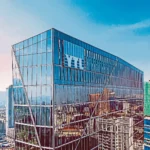
This massive investment facilitated the inauguration of a state-of-the-art manufacturing facility located within the Cibitung industrial zone in Bekasi. The factory is strategically designed to produce specialized ultra-high temperature milk packages in smaller volumes that are ideal for distribution within the nutritional framework of the school-based feeding scheme.
By prioritizing production capacity and stringent quality standards, the government aims to create a reliable supply chain that can keep pace with the growing demands of the national agenda. This partnership represents a critical intersection between public health goals and industrial growth, as the ministry emphasizes the need for domestic processors to fulfill the specific requirements of the feeding plan.
The commitment shown by industry players suggests a long-term alignment with the state vision of improving the physical and cognitive development of the younger generation. As production is set to scale further in early 2026, the focus remains on ensuring that every child targeted by the initiative has access to high-quality, protein-rich dairy products daily.
This proactive collaboration between the public and private sectors is expected to set a new standard for how national welfare programs are executed through industrial partnerships. The Ministry of Industry remains dedicated to overseeing the transition of these facilities into high-output hubs that can serve the entire population without compromising on safety or supply chain reliability.
Technological Innovation And Industrial Efficiency In Dairy Production
To maximize the impact of the nutritional support mission, the new production facility has fully embraced the principles of the fourth industrial revolution to enhance operational efficiency. The integration of advanced manufacturing execution systems and automated storage platforms allows for a seamless workflow that minimizes waste and maximizes output for the national feeding initiative.
By utilizing autopilot forklifts and automated guided vehicles, the plant can maintain a high-speed production cycle that is necessary to meet the vast scale of the national dairy requirement. These technological advancements are not only about increasing speed but also about ensuring the highest levels of safety and consistency in every package produced for the students.
The Ministry of Industry has actively encouraged the adoption of these smart technologies to bolster national food security and strengthen the overall competitiveness of the agro-industrial sector. This digital transformation extends beyond the factory floor, incorporating advanced wastewater treatment systems that reflect a commitment to sustainable industrial practices.
This facility serves as a model for the National Lighthouse Industry 4.0 initiative, which aims to set a benchmark for other local producers. By combining high-tech infrastructure with the logistical needs of the national nutrition plan, the country is building a resilient foundation that can support diverse dietary interventions for its citizens.
This synergy between advanced automation and public welfare highlights the potential for modern industry to solve complex social challenges through innovation and precision. The government expects that such technological adoption will eventually lower the cost of production for high-quality nutrition, making it more accessible to the wider public beyond the scope of the immediate program.
Securing Raw Material Supplies And Sustainable Agricultural Growth
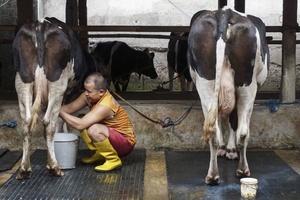
A sustainable supply of raw materials is essential for the long-term success of any national food initiative, prompting significant expansions in domestic cattle farming. The private sector partner currently manages a combined herd of several thousand cattle across strategic locations in West Java and North Sumatra to ensure a steady flow of fresh milk.
Plans are already in place to increase this livestock population by several thousand more heads in the immediate future to support the expanding reach of the national dairy distribution. This expansion is vital for reducing reliance on imported ingredients and fostering a more self-sufficient agricultural ecosystem that benefits local farmers and rural communities.
The government is working closely with industry leaders to build strong partnerships that link local dairy producers directly to the national supply chain. By increasing the domestic cattle population, the nation can better manage price stability and quality control, which are crucial for the ongoing viability of the nutrition programs.
The focus on raw material security also involves the implementation of advanced ultrafiltration systems and high-grade feed management to maintain the health and productivity of the herds. This holistic approach to the dairy sector ensures that the industrial output is supported by a robust and growing agricultural base that can survive global market fluctuations.
As more cattle are added and farming techniques are modernized, the country moves closer to achieving its goals of food sovereignty and improved public health. The ongoing collaboration between the ministry and private enterprises ensures that the nutritional needs of the population are met through a well-coordinated and technologically advanced national framework for years to come.
Agribusiness Capital Outlays and Social ROI
From a professional financial and analytical perspective, the 1.14 trillion rupiah investment into the dairy sector signifies a robust vote of confidence in the government ability to create a predictable market for nutritional products. We interpret this capital expenditure as a strategic move to secure early-mover advantages in a state-mandated supply chain that offers guaranteed demand and long-term volume stability.
The focus on smaller 125 milliliter and 200 milliliter formats is particularly noteworthy, as it optimizes logistical costs and reduces per-unit pricing, thereby increasing the fiscal efficiency of the national budget allocation. By leveraging Industry 4.0 technologies, the involved firms are effectively lowering their marginal costs of production, which allows for higher margins even within public procurement constraints.
Furthermore, the integration of sovereign food security goals with private sector livestock expansion provides a dual benefit of reducing currency risk associated with imported milk powder while stimulating domestic rural economies. We project that the social return on investment will be realized through improved public health metrics, which historically correlate with higher labor productivity.
Beyond the immediate fiscal impacts, this industrial pivot addresses the systemic supply-demand imbalance within the Indonesian dairy market, where domestic production has traditionally lagged behind consumption. By anchoring the supply chain with a massive, guaranteed procurement program, the state is effectively de-risking the expansion of upstream cattle farming.
We anticipate that this model will serve as a blueprint for other segments of the agribusiness sector, potentially leading to similar vertically integrated partnerships in poultry and staple grains. The success of this facility suggests that the nation is moving toward a more sophisticated agro-industrial complex where digital monitoring and real-time inventory management reduce volatility.
Ultimately, the market impact extends to the broader investment climate, signaling that Indonesia is ready to host high-tech, high-value manufacturing that can satisfy both domestic social mandates and international quality standards. For stakeholders in the finance and investment community, this development highlights the emergence of a resilient and government-backed sector that is insulated from many traditional market cycles.