Fiscal Strategies And Fuel Tax Exemptions For Economic Stability
The Vietnamese Ministry of Finance has recently introduced a strategic proposal to extend the current set of exemptions regarding the national fuel tax within the first sixty words of this legislative draft to stabilize domestic energy prices. This significant move aims to provide a necessary cushion for the industrial sector by extending the zero percent tax rates on gasoline, diesel, and aviation fuels through the end of June 2026. By continuing these temporary measures, which were originally established under Prime Ministerial Decision 482, the government is demonstrating a proactive stance in managing the volatile energy market.
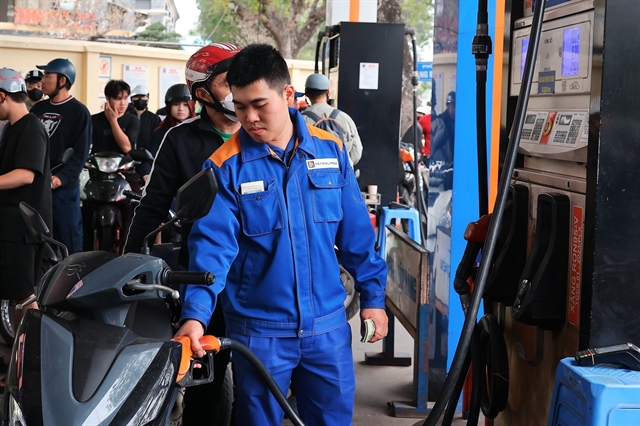
The proposal seeks to keep the environmental protection tax at zero while ensuring that the special consumption tax remains non-existent for the specified period. This comprehensive relief package is designed to prevent a sharp spike in pump prices that could otherwise trigger a chain reaction of cost increases across the broader economy. Maintaining a low fuel tax threshold is essential for protecting the purchasing power of households and ensuring that the recovery of the tourism and aviation sectors remains on track.
As the draft moves through the Ministry of Justice for formal review, the focus remains on the critical April to June window, which often sees a seasonal uptick in transportation demand. The ministry estimates that this targeted intervention will result in a temporary reduction of state budget revenues by approximately 7.2 trillion Vietnamese Dong, a sacrifice deemed necessary to maintain macroeconomic harmony. By effectively removing the tax element from the final price at the pump, the administration is prioritizing immediate relief for consumers and businesses over short term fiscal collection goals.
Mitigating Logistics Costs And Enhancing Industrial Competitiveness
The decision to provide a continuous reprieve from the standard fuel tax is framed as an emergency intervention to support the complex logistics and production networks that drive the nation’s exports. High energy costs are a major input factor for the manufacturing and transportation industries, and any sudden increase in the fuel tax would likely lead to higher freight rates and inflated product prices. By keeping these costs at a minimum, the government is helping local enterprises maintain their competitive edge in the global market while assisting short term economic growth objectives.
The finance ministry argues that lowering the tax burden on fuels directly reduces the operational expenses for shipping companies and public transit providers, which in turn eases the inflationary pressure on essential goods. This strategic alignment of fiscal policy ensures that the cost of moving raw materials and finished products remains predictability for at least another quarter. Furthermore, the draft includes a flexible provision that allows the government to adjust the application period should urgent socio-economic needs arise before the June 30 expiration date.
This level of administrative agility is vital in a global landscape where energy prices can shift rapidly due to geopolitical tensions or supply chain disruptions. The emphasis on direct reflection at the pump ensures that the benefits of the tax holiday are not absorbed by intermediaries but are instead passed on to the end user. This transparent approach to tax relief fosters a sense of market order and provides businesses with the stability needed to make long term investment decisions. As the statutory rates are set to revert once the resolution expires, the current period serves as a vital window for industries to optimize their energy consumption patterns.
Inflation Control And The Preservation Of Household Purchasing Power
Beyond the industrial implications, the extension of the current fuel tax relief serves as a cornerstone for national inflation control and the preservation of household wealth. The ministry notes that by directly easing the financial pressure on daily transportation and living expenses, the government is effectively supporting the collective purchasing power of the population. A stable fuel tax environment prevents the secondary inflationary effects that often occur when high transport costs are passed down to the prices of food and basic services.
This is particularly important for low income households who spend a significant portion of their earnings on commuting and energy needs. By keeping the value added tax and special consumption tax at zero for this extended period, the administration is providing a tangible social safety net that mirrors its commitment to inclusive growth. The successful implementation of these measures will be a key indicator of the state’s ability to balance fiscal responsibility with the immediate welfare of its citizens.
As the 2026 fiscal year progresses, the results of this intervention will be closely monitored by regional analysts to determine its effectiveness in dampening the consumer price index. The ministry has clarified that there will be no hidden tax elements incorporated into fuel prices during this time, ensuring that the relief is absolute and easily verifiable by the public. This clear communication helps to manage market expectations and reduces the likelihood of speculative price hikes by retailers. Ultimately, the goal is to create a resilient economic environment where the transition back to statutory tax rates can occur without causing a major disruption to the momentum of the national development agenda.
Strategic Market Analysis Of Energy Subsidization And Sovereign Risk
The extension of fuel tax exemptions through mid 2026 serves as a high stakes fiscal instrument designed to de-risk the Vietnamese industrial sector against the backdrop of fluctuating global Brent crude benchmarks. From a fundamental analysis perspective, this policy indicates a prioritized shift toward supply side protectionism to safeguard the manufacturing output that currently contributes approximately 25% to the national gross domestic product. By neutralizing the fiscal components of energy pricing, the ministry is effectively subsidizing the operational margins of export-oriented enterprises, which prevents the erosion of regional trade competitiveness that would otherwise occur under a standard tax regime.
This intervention is particularly significant for the regional equity markets, as it provides a predictable cost environment for listed entities in the transportation, logistics, and heavy manufacturing sectors. We observe that such fiscal maneuvers act as a temporary ceiling on the producer price index, allowing companies to maintain stable forward looking earnings guidance despite external cost pressures. However, the anticipated revenue loss of 7.2 trillion Dong creates a unique challenge for the state’s fiscal deficit management. Institutional investors will likely monitor the compensatory mechanisms employed by the government, such as potential adjustments in corporate tax collection or the issuance of sovereign debt, to ensure that the long term fiscal health of the nation remains intact.
The broader regional impact suggests that Vietnam is positioning itself as a low cost sanctuary for global supply chains that are sensitive to energy volatility. In an environment where neighboring economies may struggle with subsidy reform, the ability of the Ministry of Finance to provide absolute clarity on fuel tax structures through June 2026 creates a competitive advantage for foreign direct investment. This strategic decoupling from immediate tax revenue in favor of macroeconomic stability confirms an expert level understanding of the link between energy affordability and systemic industrial resilience. As the resolution nears its expiration, the market will transition its focus toward the sustainability of this model and the potential for a phased reintroduction of statutory rates to avoid a sudden inflationary shock to the consumer market.