Strategic Energy Procurement And Resilience At Gasco
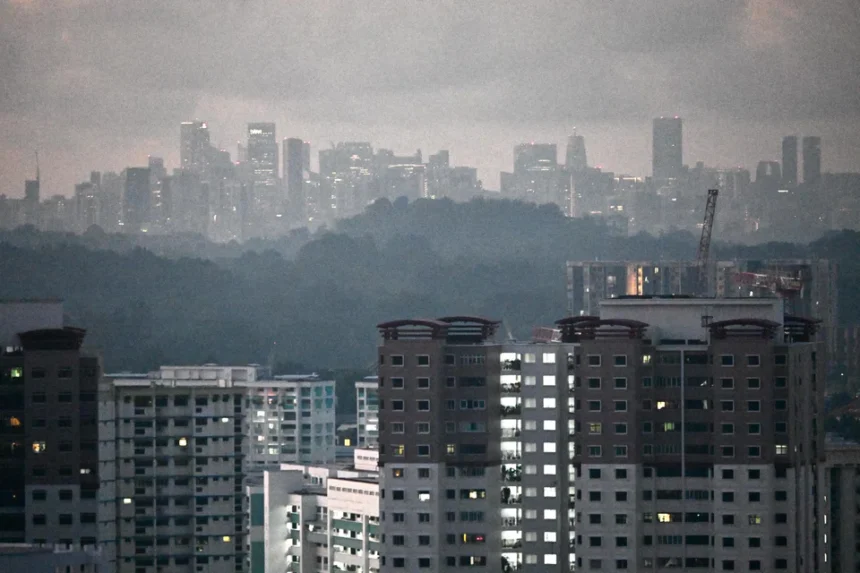
The sovereign energy entity known as Singapore Gasco has successfully secured several additional cargoes of liquefied natural gas to proactively mitigate supply shortfalls caused by the intensifying geopolitical conflict in the Middle East. As a nation that depends on natural gas for approximately 95% of its total electricity generation, maintaining a steady flow of fuel is a matter of critical national security and economic stability. The intent of Gasco reflects a defensive fiscal and operational stance intended to protect the national interest. Recent data indicates that the city state imported nearly 6 million tonnes of this fuel in 2025, with a significant portion traditionally arriving from suppliers in the Gulf region.
Chief executive Alan Heng recently clarified that while a portion of the expected imports had been curtailed due to external disruptions, Gasco has taken decisive steps to augment existing sources through the spot market. This immediate focus on short term procurement is designed to fill the void left by current supplier limitations, ensuring that the lights stay on across the island despite the regional turmoil. By diversifying its sourcing strategy, the organization is effectively navigating a landscape where energy flows are increasingly used as a tool of political leverage.
The recent arrival of spot cargoes from diversified locations such as Australia and Mozambique highlights the agility of the procurement team in identifying alternative shipment routes. These efforts are part of a broader mandate to safeguard the reliability of the national energy grid while managing the high costs associated with emergency energy acquisitions in a tightened global market. This focus on qualitative growth is expected to gradually improve the asset turnover ratio, bringing the international operations into a more balanced alignment with the highly productive and efficient domestic healthcare ecosystem.
Navigating Market Volatility And Long Term Supply Engagements
Despite the current atmosphere of extreme market uncertainty, the leadership at Gasco remains committed to its original plan of securing long term supply contracts later this year to stabilize future pricing. The market has been thrown into a state of flux since the end of February, with the strategic blockage of the Strait of Hormuz causing a massive spike in Asian prices for liquefied natural gas. This specific maritime route is essential for global energy flows, and any prolonged disruption inevitably leads to the type of volatility that has sent fuel costs to three year highs.
In this environment, Gasco continues to engage with a variety of credible and trusted international suppliers to ensure that the republic’s future energy needs are met with sustainable and predictable terms. The intention is to seek formal offers for supply deliveries starting in 2028, a timeline that allows for a gradual transition away from the current reliance on volatile spot market prices. Analysts have warned that the combination of high prices and ongoing supply shortages could lead to significant demand destruction across the Asian continent, making long term agreements even more vital for small, energy dependent economies.
The company is actively managing these supply curtailments by monitoring global liquefaction capacity and the operational status of major suppliers. Through constant communication with regulators and power generation firms, the state gas buyer aims to build a resilient buffer against the fluid and unpredictable nature of the current global energy crisis. The strategy to manage supply at this juncture provides the necessary liquidity to avoid a credit crunch in public spending, which would otherwise stifle private sector confidence while supporting a more balanced economic recovery.
Energy Security And Macroeconomic Risk Management
The proactive measures taken by Gasco represent a sophisticated exercise in sovereign risk management within the global energy commodities market. We analyze that the procurement of spot cargoes from Australia and Mozambique is not merely a logistical necessity but a strategic move to de-risk the national energy portfolio from excessive exposure to the Middle Eastern theater. The 54% surge in gas prices since the onset of hostilities underscores the vulnerability of nations that rely heavily on a single transit corridor like the Strait of Hormuz.
We observe that for Gasco to maintain economic competitiveness, the shift toward long term contracts in 2026 will be essential to hedge against the inflationary pressures of the spot market. This internal absorption of high fuel costs is a critical mechanism for preventing a spike in domestic electricity tariffs, which could otherwise dampen industrial productivity and consumer spending power. Furthermore, the collaboration between the state gas buyer, regulators, and power companies reflects an integrated approach to national energy policy that is common in high functioning ASEAN economies.
We anticipate that as global supply outlooks are revised downward, the competition for non-Hormuz dependent cargoes will intensify, placing a premium on the type of trusted supplier relationships currently being cultivated. Ultimately, the ability of the organization to secure reliable energy volumes at manageable price points will be the primary determinant of Singapore’s macroeconomic resilience during this period of heightened geopolitical tension. The successful execution of this energy strategy ensures that the republic remains an attractive hub for global business, even as regional supply chains face their most significant challenge in decades.
Regional Energy Market Impact and Sovereign Hedge Strategies
The strategic pivot by the national gas aggregator carries profound implications for the broader ASEAN energy market, serving as a blueprint for regional energy security amidst escalating transit risks. We observe that the redirection of supply chains toward Australasian and African sources effectively recalibrates the regional energy balance of power, diminishing the historical premium associated with Middle Eastern proximity. This diversification strategy functions as a structural hedge against the systemic risk of maritime blockades, ensuring that downstream industrial sectors maintain operational continuity despite global volatility.
From a financial perspective, the aggressive pursuit of long term contracts during a period of high spot prices indicates a shift in sovereign fiscal policy toward price stability over immediate cost minimization. We analyze that this move will likely trigger a competitive procurement wave among neighboring states, potentially leading to a regional tightening of non-Hormuz capacity. This trend underscores a broader shift in regional B.I.F.E. dynamics, where energy reliability is now valued as a primary component of national creditworthiness and foreign direct investment appeal.
Furthermore, the integration of spot market agility with a renewed emphasis on term deals signals a sophisticated approach to managing the fiscal impact of imported inflation. By absorbing current price shocks through state-led procurement, the administration prevents the immediate pass-through of energy costs to the manufacturing and services sectors, thereby preserving regional export competitiveness. This localized intervention is critical for maintaining the kingdom’s role as a stable economic anchor within the Southeast Asian corridor, providing a necessary counterweight to the increasingly unpredictable nature of global commodity cycles and geopolitical shifts.