Comprehensive Urban Redevelopment Of The Greater Southern Waterfront Precinct
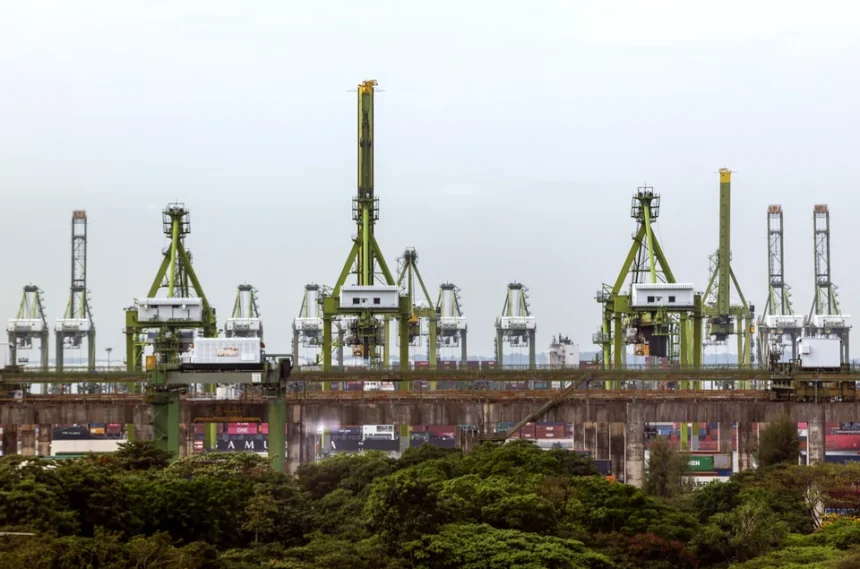
Singapore is embarking on a massive coastal transformation as plans for the Greater Southern Waterfront move into a significant new phase involving extensive land reclamation and terminal relocation. The Housing Board recently announced that approximately 213 hectares of land will be reclaimed at the Keppel and Tanjong Pagar terminals once they transition their operations to the Tuas Port around 2027. This ambitious project aims to create a contiguous stretch of land that effectively doubles the size of the current Marina Bay area, providing a seamless connection between existing precincts like Labrador, Harbourfront, and the city center.
The development of the Greater Southern Waterfront is expected to be a multi-decade endeavor, meticulously paced to support the long-term land use requirements of a growing nation. By integrating residential, commercial, and recreational zones, the Urban Redevelopment Authority seeks to enhance the livability of the southern coastline while optimizing the utility of vacated industrial spaces. This massive undertaking reflects a broader strategy to reshape the island’s edge into a vibrant destination for both locals and international visitors.
As the maritime industry shifts its footprint, the resulting space offers a rare opportunity for high-density housing and diverse entertainment options that were previously inaccessible due to port activities. The scale of the reclamation highlights the necessity of innovative land-use strategies in a land-constrained environment, ensuring that Singapore remains competitive and resilient. The project effectively redefines the urban core, extending the central business district into a master-planned waterfront ecosystem that prioritizes sustainability and connectivity.
Strategic Coastal Protection And Long Term Infrastructure Integration
Beyond the creation of new residential and commercial spaces, the reclamation efforts within the Greater Southern Waterfront serve a critical role in Singapore’s national coastal protection strategy. As sea levels continue to rise globally, the authorities are raising the ground level of reclaimed land to create a robust line of defense against high tides and storm surges. This infrastructure will eventually link with other major projects, including the future Long Island mega-reclamation, to form a continuous shield along the southern coastline.
The integration of seawalls and coastal barriers near Sentosa and Pulau Brani ensures that low-lying areas are protected from the long-term threats of climate change while providing new promenade spaces for public enjoyment. We analyze that this dual-purpose approach—combining urban expansion with environmental defense—is a hallmark of Singapore’s macro-financial planning. By consolidating cruise terminals and establishing a continuous waterfront walk, the city-state is maximizing the economic potential of its shoreline.
The Greater Southern Waterfront will eventually become a focal point for leisure and tourism, supported by a mix of uses that cater to various demographic needs. Furthermore, the preparatory works for these coastal defenses involve complex engineering feats that will be carried out progressively to minimize disruption to existing land-based activities. The alignment of infrastructure with environmental studies allows for a more controlled development pace, ensuring that the new precinct can adapt to evolving technological and social trends.
Environmental Stewardship And Biodiversity Mitigation Measures
The environmental impact of such a massive reclamation project is a significant consideration, necessitating rigorous studies and proactive mitigation strategies to protect local marine biodiversity. An extensive environmental impact assessment has highlighted the potential loss of coral habitats and sea fans on existing structures within the Greater Southern Waterfront project site. To address these concerns, the Housing Board and the National Parks Board are collaborating on coral transplantation efforts, moving sensitive colonies to safer locations before major works commence.
Silt screens and monitoring systems will be deployed to contain sediment plumes that could otherwise smother seagrass and reef systems near Sentosa and the Southern Islands. We analyze that the focus on ecological preservation is essential for maintaining the natural heritage that makes Singapore’s waterfront unique and attractive for future residents. The authorities are also implementing underwater noise reduction advisories to protect elusive marine mammals like the Indo-Pacific humpback dolphin and the dugong.
This holistic approach to development ensures that the growth of the Greater Southern Waterfront does not come at an unacceptable cost to the environment. While the removal of some filter feeders is a permanent change, the construction of new seawalls and sloped rock revetments may eventually provide fresh habitats for corals to return and thrive. Public consultation remains a key part of the process, allowing stakeholders to contribute to the final design and environmental management programs.
Macro-Financial Analysis Of Regional Market Dynamics And Urban Value Extraction
The strategic reclamation at the Keppel and Tanjong Pagar terminals signals a paradigm shift in Singapore’s fiscal approach to land value extraction and regional competitiveness. The Greater Southern Waterfront acts as a massive long-cycle hedge against regional economic volatility by securing a high-value land bank within the primary city core. We analyze that the consolidation of the maritime sector to Tuas creates a rare opportunity for the government to transition from industrial lease revenue to high-yield residential and commercial property taxes.
This project is anticipated to serve as a catalyst for a multi-billion dollar private sector investment cycle, particularly in the premium real estate and tourism infrastructure segments. We observe that the planned connectivity between Labrador and Marina Bay will likely result in a permanent upward shift in capital values for older peripheral districts as they become integrated into the new southern core. The inclusion of leisure hubs on Sentosa and Pulau Brani further enhances the sovereign tourism strategy, positioning the nation as a dominant regional player for high-net-worth traveler arrivals.
Furthermore, the dual-utility of the reclamation as a coastal defense mechanism significantly reduces the long-term climate risk profile for institutional investors. This infrastructure de-risking is crucial for maintaining the city-state’s status as a top-tier global financial center where assets must be protected against multi-generational environmental threats. As the project reaches key milestones in 2026 and 2027, the regional market will likely see a surge in specialized construction and engineering demand, reinforcing Singapore’s role as a regional leader in sustainable urban technology.