





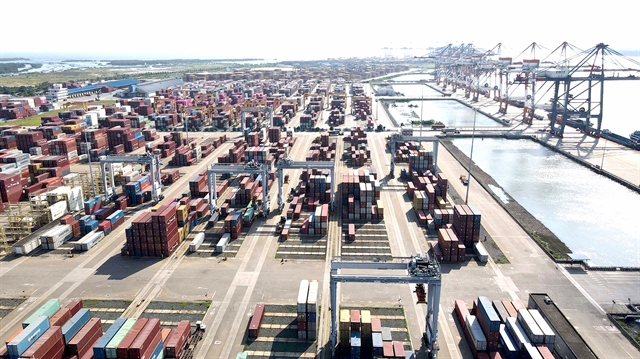
HCMC Spearheads Regional Logistics Network Integration
Following a recent administrative merger, Vietnam’s Southeastern Key Economic Region is embarking on a new strategic initiative to establish a unified and highly synchronized logistics system. Led by Ho Chi Minh City (HCMC), this ambitious project is designed to transform the region into a high-performing and internationally competitive hub for trade and the marine economy. The merger has significantly expanded HCMC’s coastline, granting it direct and critical access to international maritime routes. This strategic geographic advantage, combined with its new connections to major ports, substantially elevates the city’s potential and positions it to become a preeminent regional logistics center, capable of handling a greater volume of international trade and commerce efficiently.
Building Critical Infrastructure for Seamless Connectivity
To support this new unified logistics system, a number of key infrastructure projects are currently being developed and deployed. One of the most critical projects is Ring Road 4, which will create a vital link between Long Thành International Airport and the major Cái Mép Port. This road is expected to dramatically improve connectivity across the region’s various economic zones, streamlining the movement of goods. The strategic integration of Đồng Nai province into this network is poised to form a powerful “logistics belt,” directly connecting the region’s domestic production areas with global markets. Experts are confident that this integrated approach will lead to a substantial reduction in congestion and a significant enhancement of supply chain fluidity across all of Southern Việt Nam.
Poised for Economic Growth and Foreign Investment
The implementation of this new, integrated logistics structure is expected to attract a significant influx of foreign investment, particularly into the manufacturing and high-tech sectors. Additionally, economic experts foresee a vast potential for the development of the marine economy, including the growth of new industries such as ecological tourism, advanced seafood processing, and enhanced seaport services. With a newfound focus on coordinated governance and the strategic promotion of multi-modal transport, the enlarged region is set to serve as a national model for integrated, green, and highly efficient logistics development. This transformation will undoubtedly reinforce the region’s pivotal role as a major economic powerhouse within Southeast Asia.


