Capitalargo.com – The evolving economic cooperation between Indonesia and Australia is entering a transformative period driven by new trade pacts, regulatory alignment, and strategic ambitions shared by both nations. Indonesia, Southeast Asia’s largest consumer market, and Australia, a resource-rich advanced economy, have long been interconnected through trade, labor mobility, education, and investment. The next decade promises deeper integration, offering businesses in both markets broader access and more significant opportunities.
With IA-CEPA’s entry into force five years ago on July 5, 2020, two-way trade has almost tripled from $12.91 billion to $35.38 billion in 2024, and from January to May 2025, total trade reached US$5.15 billion—demonstrating the pact’s momentum.
This article explains the new dynamics shaping bilateral growth, highlights emerging sectors for collaboration, and evaluates the direction of the partnership under updated economic frameworks.
A New Era of Bilateral Trade and Strategic Partnership
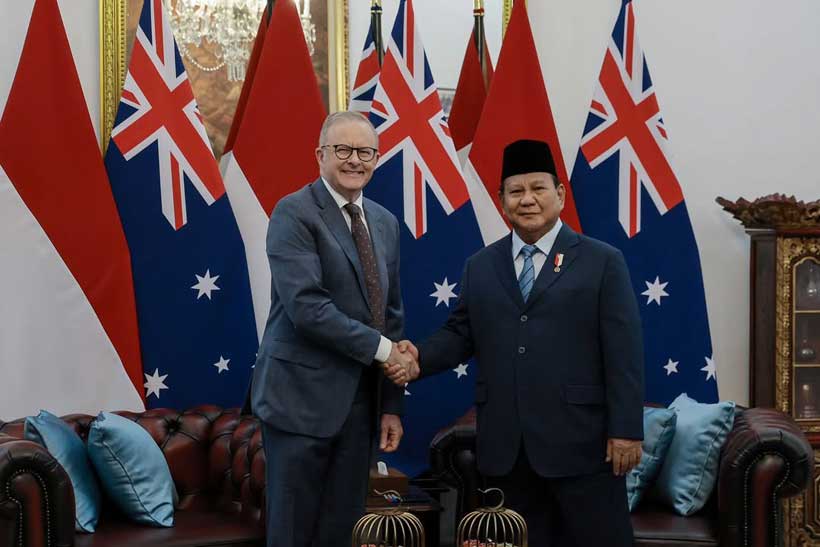
The modernization of the economic cooperation between Indonesia and Australia stems largely from new trade pacts, the most notable being IA-CEPA (Indonesia–Australia Comprehensive Economic Partnership Agreement). While the agreement was implemented in 2020, its long-term effects are only beginning to materialize in business activities, investment patterns, and sectoral integration. On June 25, 2025, Indonesian and Australian senior officials held the Third IA-CEPA Joint Committee Meeting (JCM), endorsing preparations for a General Review to ensure continued relevance amid global dynamics.
IA-CEPA promotes deeper economic cooperation between Indonesia and Australia by eliminating tariffs, simplifying regulations, enhancing labor mobility, and establishing frameworks for joint ventures. These structural improvements are intended to foster a more predictable investment climate, especially for Australian firms entering Indonesia’s fast-growing sectors and for Indonesian businesses expanding operations into Australia’s competitive service-based economy.
Australia has committed to immediately eliminating all remaining tariffs on Indonesian imports, providing the most liberal origin requirements for Indonesian electric motor vehicles of any Australian trade agreement.
Why These Trade Pacts Matter for Regional Growth

New trade agreements matter for two major reasons: they promote stability and lower entry barriers. For Indonesia and Australia, these are crucial as both countries aim to increase resilience against global economic uncertainty and diversify their trade dependencies.
The growing economic cooperation between Indonesia and Australia reflects shared aspirations:
- Indonesia seeks advanced technology, high-quality education, capital investment, and innovation capability—areas where Australia excels.
- Australia seeks access to Indonesia’s manufacturing potential, consumer market, and labor force.
These complementary interests allow the trade pacts to function not merely as commercial frameworks but as strategic tools to shape long-term regional development. The IA-CEPA Economic Cooperation Program (Katalis), a $40 million initiative ending in December 2025, has maximized benefits by improving market access and supporting inclusive growth in priority sectors like agrifood, advanced manufacturing, and services (skills).
The Expanding Role of Investment in Building Mutual Growth

Investment is now a primary engine in the deepening economic cooperation between Indonesia and Australia. Cross-border investment activities are accelerating in areas such as agriculture, education, digital technology, renewable energy, health services, and mining value chains.
For Indonesia
Australian investment is expected to support industrial upgrades, particularly in renewable energy, vocational training, and sustainable agriculture. Indonesia benefits from Australia’s expertise in high-standard governance frameworks, which can guide the improvement of local industry practices.
For Australia
Indonesian investors are increasingly exploring property, hospitality, food production, and logistics sectors in Australia. Indonesia’s expanding capital base, combined with the certainty provided by trade agreements, helps shape long-term bilateral investment strategies.
Key Sectors Likely to Drive Future Integration
As new trade pacts take effect, several industries are positioned to benefit most from the intensified economic cooperation between Indonesia and Australia.
Agribusiness and Food Security
Agriculture remains one of the strongest pillars of the partnership. IA-CEPA enables tariff-free access for many Australian agricultural products, enhancing supply chain stability. Indonesia, in turn, is developing food processing, packaging, and distribution industries that can integrate with Australian supply chains. Katalis has facilitated meaningful engagement, including accelerating fruit exports to Australia and empowering women entrepreneurship in agrifood.
Education and Training
Australia’s global reputation in higher education aligns with Indonesia’s need to upskill its workforce. New pacts allow Australian institutions to establish campuses or training centers in Indonesia. The Australia-Indonesia Health Transformation Partnership “KITA SEHAT” ($130 million, 2025-33) supports vocational training in health and aged care.
Digital Economy and Technology Transfer
Indonesia’s rapidly expanding digital market offers growth potential for Australian tech firms. Collaboration opportunities include cybersecurity, fintech solutions, AI applications, and enterprise software. The 2025 Annual Leaders’ Meeting emphasized digital transformation as a cross-cutting theme.
Energy and Mining Value Chains
Both countries are transitioning to greener energy sources. Indonesia is focusing on nickel-based battery development, while Australia leads in mining technology. The two countries can collaborate on refining, research, and clean energy systems. The Australia-Indonesia Climate and Infrastructure Partnership, KINETIK, builds a platform for energy transition cooperation.
Tourism and Hospitality
With improved visa policies and travel cooperation, tourism is set to grow significantly. This supports not only hospitality businesses but also talent exchange, cultural collaboration, and creative industries.
Benefits for Businesses on Both Sides
The closer economic cooperation between Indonesia and Australia delivers several practical business advantages:
- Lower tariff structures
- Standardized regulations
- Easier professional mobility
- Reduced operational risks
- More predictable investment environments
- Wider access to diversified markets
These benefits make the new trade pacts more than diplomatic achievements—they directly influence profitability and long-term corporate expansion strategies.
Challenges That Could Slow Down Integration
Despite its potential, economic cooperation between Indonesia and Australia faces obstacles that businesses must consider.
- Regulatory Misalignment
Indonesia and Australia operate under different legal systems, and despite improvements, some sectors still face overlapping regulations. - Bureaucratic Delays
Slower licensing or approval processes in Indonesia can affect Australian investors. - Cultural and Corporate Differences
Business culture variance may lead to misunderstandings and delays. - Currency Volatility
Exchange rate fluctuations can increase investment risk, particularly for long-term infrastructure projects. - Political Sensitivity
Domestic political changes in either country can influence the pace or direction of bilateral trade strategies.
Despite these barriers, both governments have expressed commitments to maintaining momentum and overcoming structural challenges.
The Role of SMEs in Strengthening Bilateral Opportunities
Small and medium enterprises play an important role in enhancing economic cooperation between Indonesia and Australia. SMEs can benefit greatly from simplified export pathways, market information exchanges, and cross-border innovation networks.
Many Australian SMEs are exploring Indonesia for manufacturing partnerships, while Indonesian SMEs look to Australia for branding, training, and technology collaboration.
Long-Term Economic Implications for Southeast Asia
Deepening economic cooperation between Indonesia and Australia represents an important step for wider Southeast Asian economic development. As ASEAN becomes more integrated and digitally connected, Indonesia’s link with Australia serves as a bridge between the regional market and a larger global ecosystem.
Potential Regional Effects Include:
- Stronger regional value chains
- Higher foreign investment inflows
- Improved labor mobility across Southeast Asia
- Increased adoption of green technology
- More diversified trade routes
This broader impact strengthens ASEAN’s competitiveness within the global economy.
What Businesses Should Do Now
Companies looking to take advantage of the evolving economic cooperation between Indonesia and Australia should consider several strategic steps:
- Assess benefits under IA-CEPA and other pacts
- Build partnerships with local firms
- Explore regional value chains
- Evaluate currency and regulatory risks
- Monitor policy updates
- Invest in sustainable practices aligned with government goals
Early movers stand to gain the most as bilateral frameworks mature.
Outlook for 2030 and Beyond
By 2030, the relationship between Indonesia and Australia is expected to grow even stronger. Trade pacts will continue enabling collaboration across manufacturing, education, tourism, and technology. The long-term success of this economic cooperation between Indonesia and Australia will depend on how well both countries manage political shifts, accelerate regulatory harmonization, and encourage sustainable investment.
The next decade offers an unprecedented opportunity to turn diplomatic agreements into real economic outcomes. As long as both nations remain committed to shared progress, the economic cooperation between Indonesia and Australia will continue to shape regional growth and prosperity.