Geopolitical Tension and the Volatile Future of Global Oil Prices
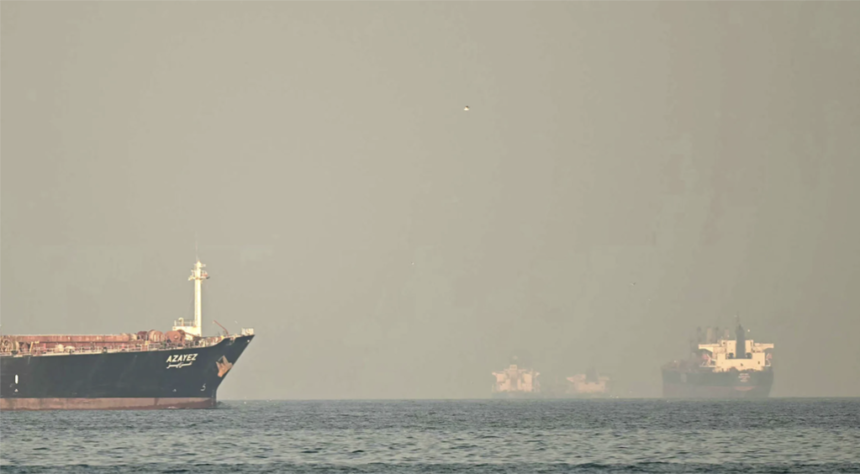
The modern energy landscape is currently facing an unprecedented crisis as the global price of oil continues to surge despite historical interventions by the International Energy Agency. With market rates hovering near the significant threshold of US$100 per barrel, the structural forces driving this ascent show absolutely no signs of structural easing. The critical maritime artery known as the Strait of Hormuz, which facilitates the passage of approximately twenty percent of the world’s daily petroleum supply, is effectively obstructed, creating a massive logistical bottleneck for Middle Eastern producers. As Gulf nations are forced to shut in their production facilities due to a lack of viable export routes, the regional energy infrastructure has increasingly come under physical threat.
Many market historians are now drawing chilling comparisons to the devastating energy shocks of the 1970s, noting that for the first time in several decades, these dire warnings do not feel like hyperbole. The Iranian Islamic Revolutionary Guard Corps has intensified the situation by declaring a total blockade on the strait, suggesting that prices could realistically double to US$200 per barrel if the military escalation persists. Such a scenario would represent a record high in nominal terms, although it is essential to view these figures through an inflation-adjusted lens to understand the true economic weight of the burden. When looking back at the 1979 Iranian Revolution, prices reached the equivalent of US$159 in today’s currency, and the 2008 commodity boom saw peaks near US$223.
This historical context demonstrates that while a move toward the US$200 mark would be remarkably severe, the global economy has navigated similar levels of extreme energy stress in the past, albeit through periods of significant transition and hardship. The ability of the market to absorb these shocks depends largely on the speed of technological substitution and the resilience of current strategic petroleum reserves. As we navigate the opening quarter of 2026, the intersection of geopolitical brinkmanship and energy scarcity is creating a volatile environment where traditional supply and demand metrics are being replaced by high-stakes security considerations and regional power plays.
Navigating Economic Shocks and the Threat of Global Stagflation
A sustained environment where the cost of oil remains at extreme levels would inevitably trigger a profound economic shock affecting nearly every sector of the modern world. Consumers are typically the first to feel the impact, as rising energy costs squeeze household budgets from multiple directions simultaneously. This often leads to a phenomenon known as demand destruction, where individuals are forced to drastically reduce their spending on driving, heating, and air travel just to keep up with essential utility bills. As energy takes up a larger portion of disposable income, discretionary spending on luxury items, new appliances, and clothing tends to contract sharply across the board.
Businesses also face a brutal operational squeeze; industries such as commercial aviation, international shipping, and large-scale manufacturing depend heavily on affordable fuel as a primary input. While some corporations might attempt to absorb these overheads to maintain market share, many are eventually forced to pass the costs on to the end-consumer, further fueling the fire of national inflation. This toxic combination of rising prices and slowing economic growth creates a condition known as stagflation, which is notoriously difficult for central banks to manage. If policymakers raise interest rates to combat the rising cost of living, they risk further stifling an already weakening economy.
Conversely, lowering rates to stimulate growth could cause prices to spiral out of control. Historically, such periods lead to significant sell-offs in the stock market, with corporate earnings declining as input costs rise and consumer demand falters. However, understanding the mechanics of these cycles is the first step in protecting a long-term investment portfolio from the most damaging effects of a high-energy-cost era. By identifying sectors with high pricing power and low energy intensity, investors can mitigate the systemic risks associated with a global energy imbalance. The current fiscal climate demands a sophisticated approach to capital preservation that prioritizes liquidity and defensive positioning over aggressive growth targets.
The Power of Disciplined Investing During Energy Market Turmoil
Despite the frightening nature of a potential energy crisis, history consistently shows that the world economy has survived every major spike in the price of oil and emerged more resilient. For the disciplined investor, these moments of high uncertainty often transform into the most significant buying opportunities of a lifetime. The strategy of continuing to contribute a fixed amount of capital into the market every month, regardless of prevailing headlines, remains one of the most effective tools for building long-term wealth. During the 1973 OPEC embargo, the S&P 500 fell nearly fifty percent, yet those who maintained a regular savings plan were able to accumulate shares at deeply discounted prices.
These crisis-era shares eventually became the highest-performing components of their portfolios as the market recovered. A similar pattern emerged during the 1990 Gulf War and the more recent 2020 global pandemic; in each instance, the initial terror of the crash was followed by a powerful market triumph for those who stayed the course. The real risk during a volatile period is not the market crash itself, but rather the human temptation to abandon a well-thought-out financial plan at exactly the moment when future returns are likely to be at their highest. By automating your investment strategy, you effectively remove the emotional burden of trying to predict the future of the energy market.
You do not need to be brave or possess the ability to predict the exact bottom of a stock market correction. To capture the significant returns offered by the market over a decade, one must be willing to endure the short-term discomfort of temporary volatility. The trade-off has always been the same: the most frightening times to invest are almost always the most rewarding for those who possess the fortitude to remain on the ride. This disciplined approach serves as a psychological anchor, preventing reactive decision-making during periods of extreme market duress. As the 2026 energy crisis unfolds, the fundamental principles of dollar-cost averaging and long-term perspective remain the most reliable path to achieving financial independence.
Macroeconomic Displacement and Institutional Capital Allocation Analysis
The 2026 escalation of the Persian Gulf blockade represents a critical inflection point in the global financial landscape, signaling a transition toward a high-friction energy trade model. We analyze that the projected move toward US$200 per barrel is not merely a pricing anomaly but a structural manifestation of the new geopolitical risk premium. From a professional financial perspective, the current backwardation in the futures market indicates that while immediate supply is critically tight, institutional players are preparing for a prolonged period of suppressed industrial output. This suggests that the global market is currently entering a phase of forced deleveraging, where the cost of carry for energy-intensive assets will become prohibitive for mid-cap enterprises without sovereign backing.
Furthermore, we project that the closure of the Strait of Hormuz will act as a localized catalyst for a re-valuation of alternative energy infrastructure and trans-continental rail logistics. For institutional investors, this pivot creates a unique entry point into the nuclear and hydrogen sectors, as the volatility of hydrocarbon prices forces a rapid acceleration of the green transition. We observe that the market is already beginning to price in a resilience premium for companies that maintain high levels of energy self-sufficiency. The ability of certain emerging markets to maintain domestic production levels during this period of regional uncertainty proves that energy security has become the primary metric for assessing sovereign creditworthiness in the current fiscal year.
The long-term impact on the regional market will manifest as a structural stabilization of the non-oil economy, as states are forced to diversify their revenue streams away from vulnerable maritime trade routes. This transition toward a more localized and land-based economic model reduces the concentration risk associated with global chokepoints and provides a more stable environment for equity markets related to advanced manufacturing and telecommunications. As corporate governance is strengthened through the alignment of regional security interests with institutional investment mandates, we expect a narrowing of the risk premium for assets located within protected trade corridors. The proactive financial stance taken by global fund managers today sets a new standard for navigating the intersection of energy warfare and capital preservation.