Analyzing The Global Impact On Planting Rice And Export Targets
The agricultural landscape of Southeast Asia is currently facing unprecedented challenges as Thailand strives to maintain its position as a global leader in the grain trade. Despite the ambitious goal of exporting 7,000,000 tonnes of rice to the international market by 2026, the ongoing conflict in the Middle East has created a volatile environment characterized by severe supply chain disruptions and rising operational costs. For many agricultural communities, the process of planting rice has become increasingly difficult due to the surge in global oil prices, which directly inflates the cost of fuel for machinery and the price of essential fertilizers.
These geopolitical tensions have introduced a level of economic uncertainty that threatens to destabilize traditional farming cycles across the region. When the financial burden of cultivation outweighs the potential market returns, farmers are forced to make difficult decisions regarding their seasonal outputs. This shift in the agricultural sector is not merely a local issue but a significant concern for global food security, as any reduction in the output of staple crops can lead to sharp price increases for consumers worldwide.
The stability of regional trade is intrinsically linked to the ability of these nations to produce surplus grains, and the current scenario suggests that if the costs continue to spiral, the traditional practice of planting rice might be temporarily suspended by many small-scale landowners who can no longer afford the necessary inputs. This potential cessation of activity among smallholders could trigger a significant contraction in the total acreage dedicated to grain production, further tightening a global market already reeling from logistics bottlenecks and inflationary pressures.
Navigating Economic Uncertainty And Rising Agricultural Input Costs
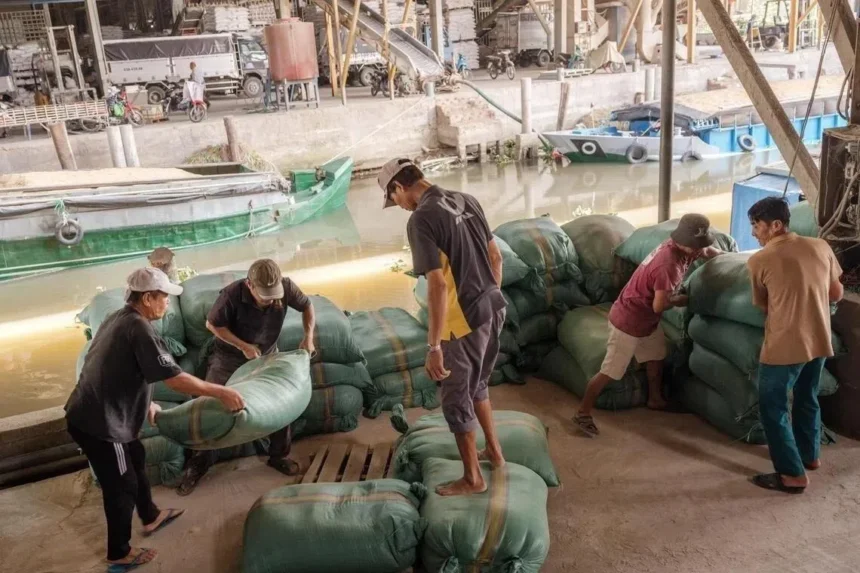
The ripple effects of high energy prices are felt most acutely in the rural heartlands of Thailand and Vietnam, where the agricultural economy forms the backbone of local livelihoods. As oil prices remain elevated, the logistical expenses associated with transporting harvested crops to export hubs have become a major deterrent for local producers. Many industry analysts are concerned that a significant portion of the farming population may decide that planting rice is no longer a viable economic activity under these constrained conditions.
This potential pivot away from staple crop production could lead to a massive shortfall in the global supply, particularly affecting nations that rely heavily on Southeast Asian exports to feed their populations. The uncertainty surrounding trade routes in the Middle East further complicates the scenario, as shipping delays and increased insurance premiums for cargo vessels make it harder for Thai exporters to reach their 2026 targets. Furthermore, the inflationary pressure on global markets means that even if the grain is produced, the final price might be out of reach for the most vulnerable developing economies.
In this topsy-turvy world, the decision regarding planting rice becomes a strategic calculation involving risk management, available subsidies, and the fluctuating value of international currencies. Governments in the region are now exploring ways to provide relief to farmers, but the scale of the global economic shift makes it challenging to implement long-term solutions that can effectively counteract the rising tide of production expenses. Without coordinated intervention, the structural integrity of the regional agricultural model may face a period of prolonged erosion and instability.
Strategic Adjustments For Regional Trade Stability And Food Security
To ensure that the 7,000,000-tonne export target remains within reach, Thailand must address the structural vulnerabilities that the Middle East conflict has exposed within its agricultural sector. Regional trade stability depends on a consistent and predictable supply of food, yet the current trend of farmers reconsidering the feasibility of planting rice poses a direct threat to this equilibrium. If a large-scale shift toward alternative crops or fallow land occurs, the resulting trade deficit could trigger a cascade of economic consequences throughout the ASEAN region.
Strengthening the resilience of the agricultural supply chain involves more than just subsidies; it requires a comprehensive approach to energy independence and the adoption of more efficient farming technologies that can lower the overall cost of production. International cooperation will also play a critical role in stabilizing commodity markets and ensuring that trade corridors remain open despite geopolitical friction. As we look toward 2026, the success of Thailand’s export goals will ultimately depend on whether the local farming communities feel supported enough to continue their traditional work.
The global community must recognize that the simple act of planting rice is a fundamental pillar of international stability that requires protection from the volatile swings of global politics and energy markets. By fostering a more sustainable economic environment for producers, the region can safeguard its food supplies and maintain its vital role in the global economy. Ensuring that export targets are met while protecting the livelihoods of those who labor in the fields will require a sophisticated blend of fiscal policy and diplomatic engagement to navigate the current geopolitical storm.
Strategic Analysis Of Market Volatility And Regional Supply Resilience
From a financial and economic standpoint, the looming threat to the traditional cycles of planting rice represents a systemic risk to the B.I.F.E. framework within Southeast Asia. The potential suspension of agricultural activities in Thailand and Vietnam serves as a lead indicator for a broader regional stagflationary trend, where stagnant production volumes collide with skyrocketing input costs. This creates a margin squeeze that is particularly devastating for smallholders, who lack the capital reserves to hedge against currency fluctuations or diesel price spikes. Analysts must recognize that the export target of 7,000,000 tonnes is not merely a logistical milestone but a benchmark for regional currency stability, as rice exports remain a primary driver of foreign exchange inflows for the Thai economy.
The concentration of agricultural production in areas sensitive to maritime trade routes means that any escalation in Middle Eastern tensions disproportionately affects the cost-to-market ratio for ASEAN grains. We are seeing a fundamental decoupling of market demand and supply availability; while the global appetite for high-quality grain remains robust, the logistical friction and cost-push inflation are effectively pricing out the producers. For institutional investors and regional policy makers, this necessitates a shift toward agricultural infrastructure that prioritizes decentralized energy sources, such as solar-powered irrigation and bio-fertilizer production, to insulate the act of planting rice from the volatility of the global Brent crude market.
Ultimately, the regional market impact will be defined by the ability of the Thai and Vietnamese governments to implement counter-cyclical fiscal measures that protect farm-gate prices without triggering domestic food inflation. If the private sector does not see a clear path to profitability, we may witness a permanent structural migration of labor away from the fields and into urban manufacturing centers, fundamentally altering the demographic and economic profile of the region. This would lead to a long-term reduction in the surplus capacity of the ASEAN rice bowl, forcing a re-evaluation of global trade agreements and potentially necessitating the creation of a regional strategic grain reserve. The coming eighteen months will be critical in determining whether the industry can adapt to this high-cost environment or if it will face a forced contraction that compromises regional economic sovereignty and international food security.