

Strategic Implementation Of The IFC Vision In Vietnam
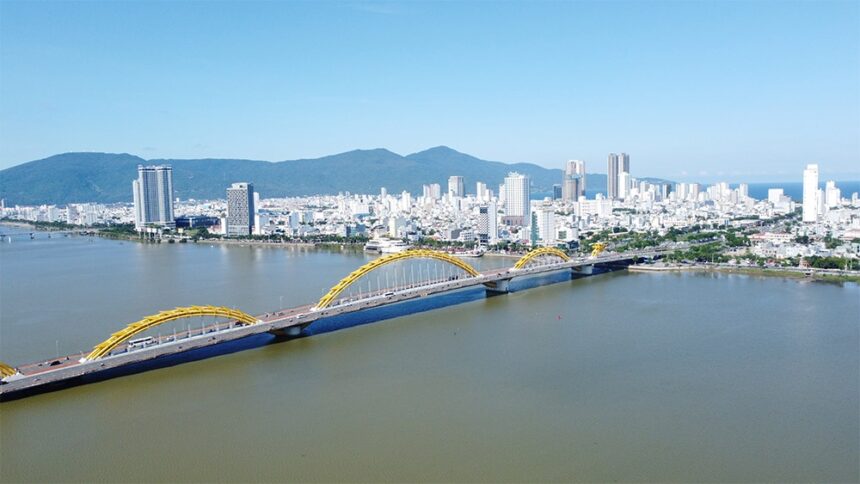
The recent high level conference held at the Government Office on December 21 has underscored the strategic intent behind establishing a world class IFC in Vietnam. Prime Minister Pham Minh Chinh emphasized that this ambitious project will be realized through a coordinated effort between Ho Chi Minh City and Danang.
Rather than fostering local competition the government aims for these two cities to work on a complementary basis to establish a solid position on the global financial map. This transition from a mere announcement to active implementation marks a pivotal phase where the focus shifts from basic infrastructure toward specialized execution and institutional capability.
By completing the legal and institutional framework the government is sending a clear message to the international community about its readiness to share development opportunities. A stable and investor friendly environment is the cornerstone of this plan as the nation seeks to build the professional standards required for such a center to operate.
Human capital development remains a central pillar of this journey as policymakers recognize that hardware alone cannot sustain a modern financial ecosystem. Collaborative efforts with international partners are already gaining momentum reflecting a broader desire to align the domestic market with rigorous global expectations.
Through the integration of comprehensive legal reforms and targeted economic policies the administration is working to ensure that the new centers can compete with established hubs. The government has expressed its commitment to creating a regulatory sandbox that allows for the testing of innovative financial products without compromising national security.
As the global economy continues to evolve the role of these centers will be vital in facilitating foreign direct investment and supporting the growth of domestic enterprises. The strategic placement of these centers allows Vietnam to tap into the high growth markets of the Asia Pacific region while maintaining a secure and predictable fiscal environment.
Human Capital And Global Standards For Financial Excellence
For the emerging financial center to succeed it must rest on firm foundations including the widespread adoption of International Financial Reporting Standards and high quality assurance. The partnership between the Association of Chartered Certified Accountants and KPMG serves as a significant case in point for this broader effort to align the ecosystem.
Ren Varma from the ACCA highlighted that Vietnam is entering a pivotal phase where strong growth fundamentals are combined with a clear policy drive for international integration. Compared to other markets in the region the country possesses a young and adaptable talent pool that has shown a strong track record in adopting global standards quickly.
However experts note that gaps still remain in advanced application of reporting standards and professional English proficiency among the local finance workforce. Strengthening these capabilities is essential for building the talent pipeline that international institutional investors demand when deploying cross-border capital into emerging markets.
Green finance and digital innovation are also being positioned as key differentiators that could help the nation become a destination for sustainable investment. By focusing on these niche areas the dual location model can provide a unique value proposition that sets a precedent for other developing economies in the ASEAN region.
The ongoing training programs and certifications are designed to bridge the skills gap and ensure that local professionals can meet the demands of international clients. Furthermore the adoption of advanced data analytics and fintech solutions will be critical in enhancing the efficiency and transparency of the new financial centers.
As the profession responds to these changes the speed of adaptation will be a key indicator of the country’s readiness to host a global financial hub. Policymakers are encouraged to continue their support for academic institutions and professional bodies that are at the forefront of this educational transformation.
Investor Confidence And Governance In The Financial Ecosystem
Investor confidence is fundamentally underpinned by the quality and consistency of financial reporting and the transparency of the tax and legal frameworks. Warrick Cleine of KPMG noted that the financial ecosystem of the United Kingdom offers relevant experience that can be adapted to the local context and growth ambitions.
Governance and compliance have become baseline requirements for institutional investors who expect transparent and comparable financial statements that are consistently enforced. The executive director of the British Chamber of Commerce in Vietnam viewed recent agreements as a strong signal of the long term commitment to professional reform.
British firms are now assessing opportunities to contribute early to the design of legal frameworks and the development of sophisticated financial products. Business chambers and professional networks are playing an increasingly important role in narrowing the gap between policy ambition and actual market execution.
By convening academia and government agencies these bodies help identify critical gaps and pilot solutions that respond directly to the needs of global investors. As the nation moves from policy intent to practical implementation the accreditation of finance professionals will remain a core requirement for sustainable success.
Building a robust and credible financial infrastructure will ultimately determine the ability of the center to attract the massive capital flows required for future prosperity. The emphasis on high quality audit and risk management practices ensures that the market remains resilient against external shocks and maintains its integrity.
The participation of international audit firms provides a layer of credibility that is essential for attracting large scale institutional capital from mature markets. Continuous dialogue between the private sector and government regulators will be necessary to fine tune the legal environment and address any emerging challenges.
Market Analysis Of Regional Impact And Competitiveness In ASEAN
From a professional analytical perspective the emergence of an integrated financial hub model in Vietnam represents a significant shift in the regional capital allocation strategy. By positioning Ho Chi Minh City and Danang as complementary centers the nation is effectively creating a de-risked entry point for global portfolios seeking frontier market exposure.
The regional market impact is likely to be characterized by a redirection of liquidity away from traditional high cost centers toward more cost efficient and high growth hubs. As the legal frameworks for the new centers are finalized we anticipate a surge in demand for professional services including legal advisory and boutique investment banking.
This institutional buildup will likely result in a compression of the risk premium typically associated with Southeast Asian emerging markets as governance standards improve. Furthermore the strategic focus on green finance aligns with the global shift toward ESG mandates which could provide the center with a competitive advantage over established rivals.
The ability of Vietnam to successfully implement the International Financial Reporting Standards across its corporate sector will be the ultimate litmus test for its global credibility. If the nation can maintain its current trajectory of reform it could potentially challenge the dominance of secondary regional hubs and redefine the ASEAN financial hierarchy.
The long term economic benefit for the domestic market includes a more sophisticated banking sector and improved access to capital for local entrepreneurs and state owned enterprises. Investors should monitor the speed of legislative approvals and the effectiveness of the proposed regulatory sandbox as these will be primary drivers of the center’s early success.
The creation of a unified financial ecosystem will not only support national development goals but also enhance the collective economic stability of the entire Indochina region. Ultimately the success of this project hinges on the seamless integration of international expertise with local talent to create a truly world class financial destination.