Trade Ministry Boosts Trade Growth with Over 400 Business Matching Sessions
Indonesia’s Trade Ministry has significantly intensified its efforts to expand both domestic and international markets for regional products by successfully holding more than 400 specialized business matching sessions, a key driver of trade growth.
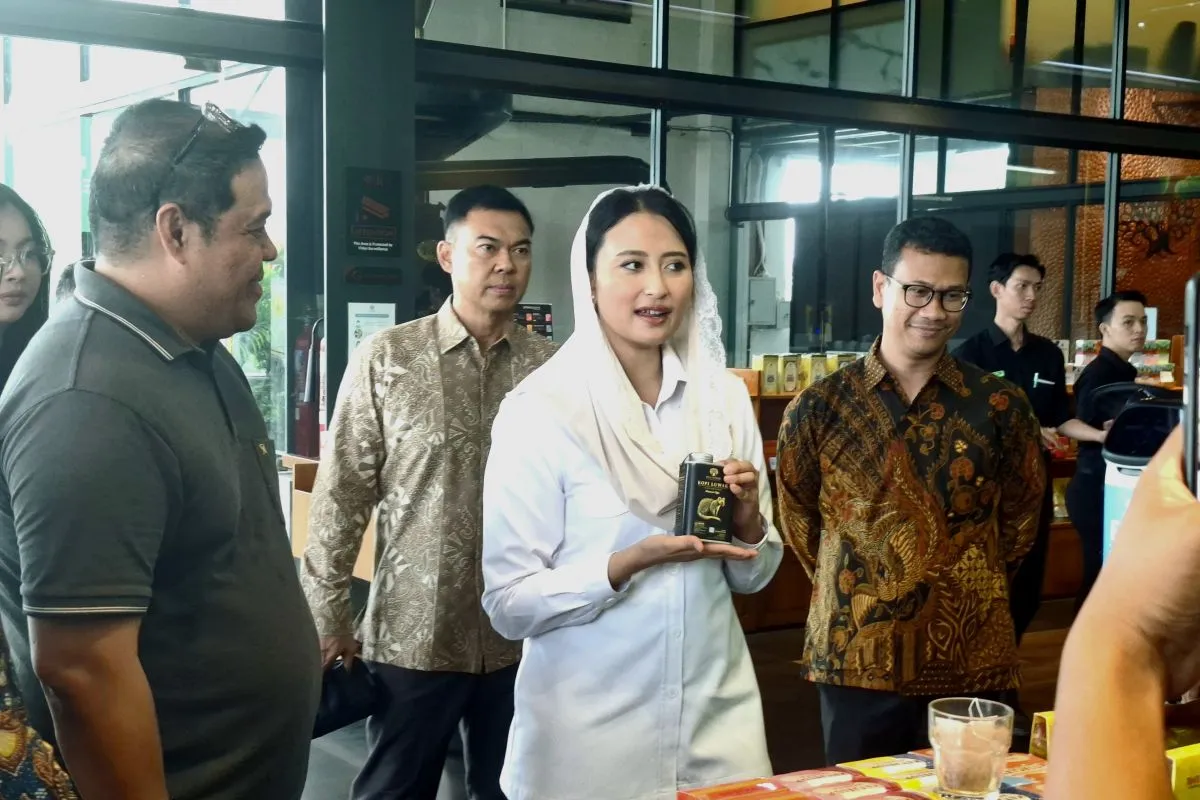
Deputy Trade Minister Dyah Roro Esti confirmed this strategic focus during a recent visit to Lampung, stating that the government is firmly committed to promoting regional commodity trade, primarily through these targeted business matching events conducted in various locations across the archipelago.
The Ministry is setting ambitious targets, expecting the number of business matchings to surpass 400 by 2025.
This expansion is specifically designed to help a greater number of businesses, particularly vital micro, small, and medium enterprises (MSMEs), effectively access and penetrate global markets.
Esti emphasized the Ministry’s ongoing support, noting, “We continue to assist MSMEs that need support in market expansion, aligning them with opportunities abroad.”
The core initiative in this effort is the Ministry’s “MSMEs Can Export” program, which remains a key strategic focus for strengthening overall economic growth through the facilitation of foreign trade.
Esti clarified the dual priority, stating, “While we prioritize international trade, we’re also actively supporting MSMEs, which are a backbone of the economy, in developing their export capacity,” thereby ensuring that the foundation of the Indonesian economy benefits directly from the push for increased trade growth and diversification.
Enhancing Regional Commodity Value and Export Capacity
The government’s robust efforts to enhance trade growth by aligning MSMEs with export markets are a direct response to prevailing challenging economic conditions and a strategic move to maximize the value of regional commodities, reflecting a national focus on economic diversification.
House of Representatives member Rycko Menoza acknowledged the difficult current economic climate, stressing that renewed, concerted efforts are essential to enhance the inherent value of regional commodities.
He strongly emphasized that successfully developing the potential of local trade could yield significant positive impacts on both regional development and the accumulation of national foreign exchange reserves.
Menoza stated that “By strengthening trade in regional products, we can lift local economies and increase our global trade footprint,” clearly linking local trade to national prosperity and global positioning.
The government’s business matching initiatives are not just about connecting buyers and sellers; they are part of a broader, integrated strategy aimed at addressing the structural weaknesses in the supply chain and production quality of MSMEs to make them export-ready.
By diversifying Indonesia’s trade portfolio beyond traditional large-scale commodities, the nation is building a more resilient and sustainable economic recovery across its various regions.
This requires targeted assistance to MSMEs in areas such as product standardization, quality control, and compliance with international market requirements, ensuring that the boosted trade growth is sustainable and high-quality.
Strategic Positioning of Regions as Trade Hubs
A crucial component of the national strategy for trade growth involves strategically positioning key regions, such as Lampung, as prominent national and international hubs for regional commodities, thereby maximizing their contribution to the national economy.
Menoza specifically called for strategic efforts to position Lampung as a leading regional hub, leveraging its geographical advantages and diverse local produce to facilitate both national and international trade.
He set a clear, ambitious goal for the region, stating, “Our goal must be clear—making Lampung a leading region for regional products and trade, which will ultimately contribute to national economic growth.”
This approach recognizes that for national trade growth to be sustainable, it must be decentralized, with regions taking ownership of their unique commodity advantages.
The Ministry of Trade’s support, through programs like “MSMEs Can Export” and business matching sessions, provides the necessary platform for these regional aspirations to materialize.
By creating direct market linkages, the government helps regional economies move up the value chain, generating higher revenue and creating more skilled jobs locally.
This focus on developing local trade potential into a global trade footprint ensures that the efforts to increase exports are not concentrated in a few areas but are spread throughout the country, making the entire Indonesian economy more robust and resilient against external shocks.