Expanding Regional Economic Reach Through QRIS Integration
The Coordinating Minister for Economic Affairs, Airlangga Hartarto, has announced that Indonesia is actively working to expand the global footprint of the QRIS payment system across various APEC member economies. By integrating the Quick Response Code Indonesian Standard into broader regional networks, the government aims to facilitate more seamless financial transactions that directly support the nation’s ambitious economic growth targets. This initiative is being prioritized alongside a renewed push for export expansion, as APEC economies currently account for approximately seventy percent of Indonesia’s total outbound trade.
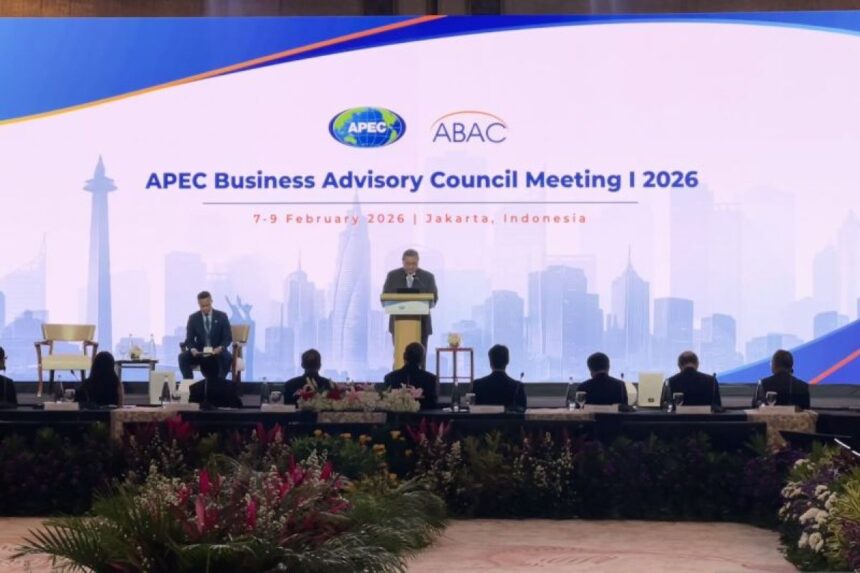
During the opening ceremony of the APEC Business Advisory Council Meeting in early 2026, the minister underscored that a robust domestic economy relies heavily on the smooth functioning of these international forums. The strategic importance of markets like the United States and China cannot be overstated, as they remain the primary destinations for the country’s most vital commodities. By linking digital payment accessibility with physical trade flows, Indonesia is creating a modern financial bridge that allows small businesses and large corporations alike to engage more effectively with their regional counterparts.
The move toward a digital first economy is not just a domestic goal but a vital component of Indonesia’s participation in one of the world’s largest and most influential economic groupings. Through the use of standardized digital interfaces, the administration intends to reduce the reliance on traditional banking intermediaries, thereby lowering the cost of doing business for exporters. This systemic evolution is expected to strengthen the national balance sheet by diversifying the sources of foreign currency and improving the efficiency of cross border capital allocation.
Strategic Commodity Growth and Digital Payment Interconnectivity
The integration of digital finance through QRIS has already successfully penetrated markets in South Korea, Japan, and the Middle East, setting a successful precedent for further expansion into the wider Asia-Pacific region. Minister Hartarto highlighted that this digital interconnectivity is essential for supporting the export of leading Indonesian commodities, including palm oil, metals, and high volume products from labor intensive industries such as textiles and footwear. As the government seeks to diversify its economic portfolio, agricultural products like shrimp and various furniture items are also being positioned for greater regional market share.
This transition toward an integrated digital payment landscape allows for more transparent and efficient cross border settlements, reducing the friction typically associated with international commerce. Related terms such as financial inclusion and regional economic cooperation are central to this strategy, as they ensure that the benefits of high level trade agreements reach the grassroots level of the economy. By centralizing the oversight of these digital reforms, the administration hopes to create a more predictable and secure investment climate that can withstand external economic shocks.
The expansion of these payment systems is a proactive response to the increasing complexity of the global trade environment, ensuring that Indonesia remains a competitive and technologically advanced participant in the regional marketplace. Furthermore, the focus on short term liquidity helps to prevent the cycle of predatory lending that often targets small traders during peak seasons. By providing an official and regulated alternative, the ministry is protecting the financial health of the micro SME sector while simultaneously promoting high quality governance across the financial ecosystem.
Regional Integration and the Vision for Deepened Business Collaboration
As Indonesia prepares for the upcoming APEC Summit hosted by China, the focus remains firmly on strengthening regional economic integration and addressing the interests of the private sector. Eduardo Pedrosa, the Executive Director of the APEC Secretariat, has stressed that the participation of the business community is vital for ensuring that ministerial level policies have a positive real world impact. There is a significant and growing interest in comprehensive trade agreements such as the CPTPP and the RCEP, both of which require deeper integration of business activities across the region to be truly effective.
The successful implementation of the QRIS framework serves as a practical example of how technical standards can be harmonized to promote collective prosperity and ease of doing business. By fostering a culture of accountability and transparency, the regulator intends to eliminate the barriers that often hide systemic risks even when macroeconomic fundamentals remain strong. This long term vision involves creating a financial ecosystem that is not only robust but also inclusive, allowing the benefits of economic growth to be shared by a wider segment of the population through well regulated investment vehicles.
The synergy between high level diplomatic efforts and grassroots digital innovation will be the cornerstone of Indonesia’s national economic strategy for the next decade, securing its position as a leading investment destination and a primary window of integrity in Southeast Asia. By meeting the stringent criteria set by global index providers and regional trade blocks, the nation can ensure its inclusion in major emerging market funds. This evolution in financial oversight is expected to secure the country’s position as a leading investment destination for the next decade.
Professional Financial Analysis of Digital Trade and Regional Sovereignty
From a professional financial analyst perspective, the cross border expansion of QRIS represents a vital pivot toward institutional maturity and digital sovereignty. We interpret the decision to prioritize payment integration as a sophisticated move to reduce the dependency on traditional correspondent banking networks, which often introduce delays and high transaction costs. By standardizing the digital payment interface across APEC, Indonesia is effectively lowering the barrier to entry for micro, small, and medium enterprises seeking to access high value international markets.
This structural tightening of the digital trade corridor is likely to be viewed favorably by global institutional investors who prioritize price discovery and ease of exit. From an expert perspective, the coordination between the ministry of economics and regional trade bodies signals a unified front in defending the national balance sheet against reputational risks that could lead to capital flight. The regional market impact of these reforms is particularly significant when considering the competition for foreign direct investment within the ASEAN block, where Indonesia must differentiate itself through superior governance and technical standards.
We anticipate that these measures will lead to a compression of the risk premium over the medium term, as the digital integration discount currently applied to regional transactions begins to fade. Furthermore, the alignment with global fintech standards is a strategic necessity to ensure that the domestic market maintains its weighting in major emerging market indices. Ultimately, the success of the QRIS expansion will be measured by its ability to transition the market from a growth at all costs model to one defined by high quality governance and long term financial stability.