New US Tariffs Officially Impact Indonesian Exports
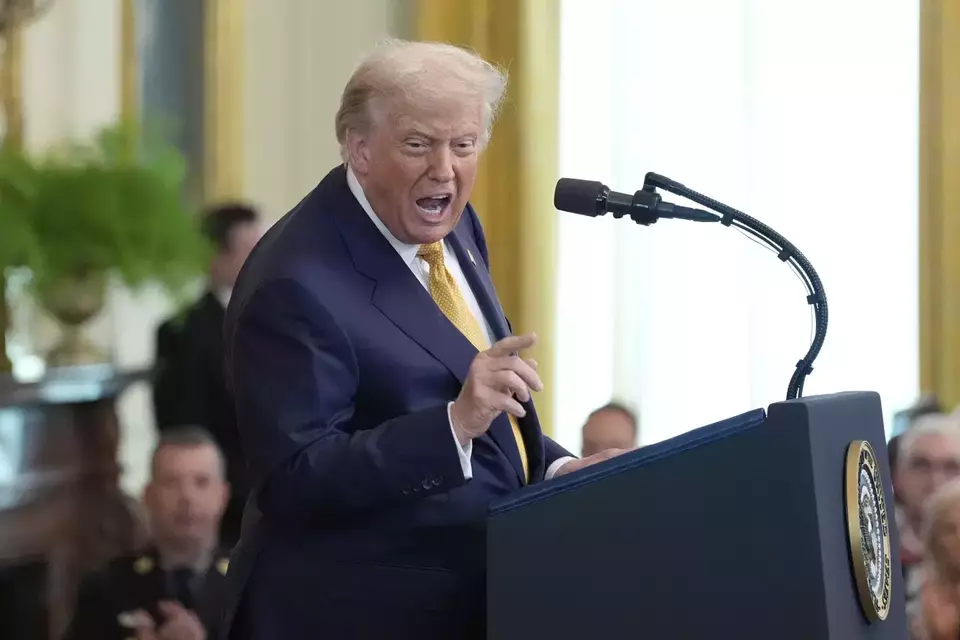
The 19% tariffs on Indonesian goods imposed by US President Donald Trump officially came into effect on Thursday, marking a significant and complex development in the trade relationship between the two nations. This new tariff rate is the result of a tense period of negotiation, where the initial threat of a much higher 32% tariff was delayed for 90 days to allow for discussions. Ultimately, Indonesia agreed to major concessions to secure the lower rate. These commitments included importing $15 billion worth of American energy products and eliminating 99% of its tariff barriers on US industrial and food goods. This strategic agreement, though resulting in a substantial tariff, highlights the willingness of the Indonesian government to engage in a give-and-take trade negotiation to protect its key export sectors and maintain access to one of the world’s largest consumer markets, even as it faces a new set of economic challenges.
Strategic Negotiations Continue on Key Commodities
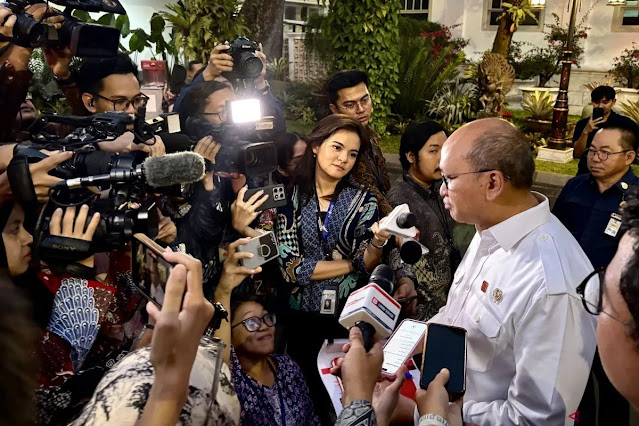
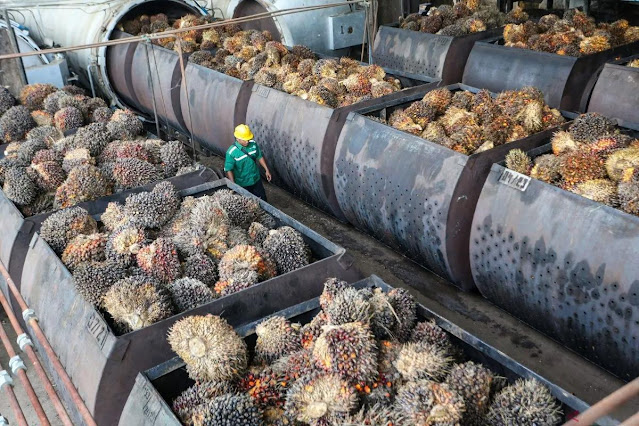
Despite the official implementation of the new tariffs, there have been some positive developments, particularly regarding specific commodities. Investment Minister Rosan Roeslani revealed a crucial breakthrough, announcing that the US has agreed to a 0% tariff on Indonesian copper, a vital export for the country. This zero-tariff agreement signals a strategic exception for commodities that the US does not produce domestically. Additionally, Minister Roeslani expressed optimism that the tariff on nickel, another crucial export, would be reduced to a rate “far below 19%” following further negotiations. This ongoing dialogue underscores the strategic importance of these commodities to Indonesia’s export economy and the complexity of reaching a trade agreement that serves both countries’ interests. However, Chief Negotiator Airlangga Hartarto confirmed that negotiations for other key products, such as palm oil, are still in process.
A Broader Shift in Global Trade Policy
The imposition of these tariffs is part of President Trump’s broader strategy to address the US’s trade imbalance, a significant economic priority for his administration. The $17.9 billion trade deficit the US had with Indonesia in 2024 served as the key driver for these measures. It is important to note that Indonesia is not alone in facing these new tariffs. The same measures, with varying rates, also officially took effect on Thursday for other nations and economic blocs, including Cambodia, the European Union, Japan, South Korea, Thailand, and Vietnam. This wider application of tariffs indicates a major shift in US foreign trade policy, reflecting a more protectionist and bilateral approach to international commerce that is reshaping global economic dynamics and forcing many countries to re-evaluate their trade strategies in response to Washington’s new stance.