National Energy Security And The Current State Of Fuel Reserves
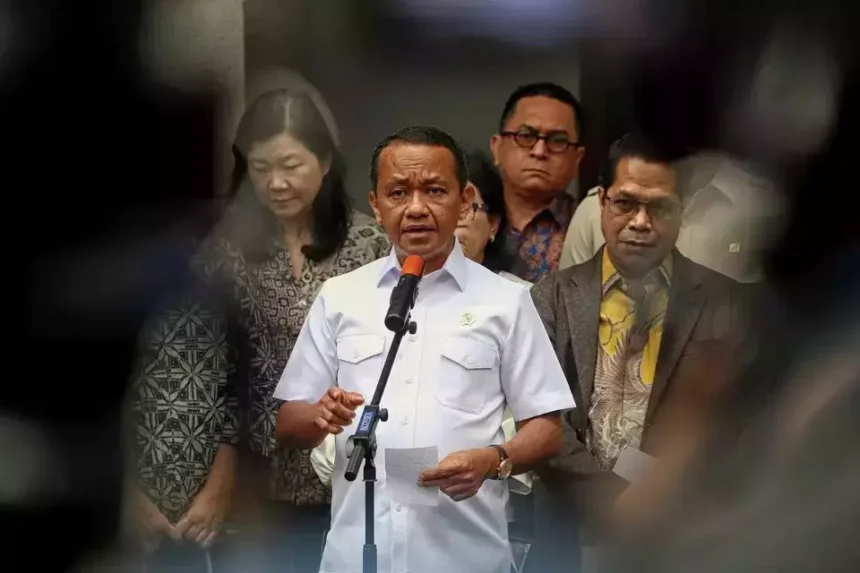
The Indonesian government is currently navigating a complex geopolitical landscape to ensure that its national fuel reserves remain stable despite the escalating tensions in the Middle East. Energy and Mineral Resources Minister Bahlil Lahadalia recently clarified that the country’s current storage levels are sufficient to cover approximately 23 days of domestic consumption. This figure is not a result of a physical shortage of oil but is instead a direct reflection of the nation’s limited domestic storage infrastructure. While international observers often suggest that a 60-day supply is the global gold standard for energy security, Indonesia is physically constrained by an existing facility network that can only hold a maximum of 25 days’ worth of product.
The minister emphasized at the Presidential Palace in Jakarta that the current level of 23 days actually sits at the higher end of the national safety threshold, which is typically set between 20-23%. This thin margin of safety has become a primary concern for policymakers as the Strait of Hormuz, a critical maritime chokepoint that handles 20% of global seaborne crude, faces potential closure by Iranian forces. The threat of a maritime blockade following military strikes on Tehran has forced the government to re-evaluate how it manages its fuel reserves to prevent a localized energy crisis. Under the current structural limitations, any prolonged disruption to global shipping lanes would leave the archipelago with only three weeks of supply, making the expansion of storage capacity a matter of urgent national priority.
Infrastructure Expansion And Strategic Storage Initiatives Near Singapore
To address the strategic vulnerability posed by limited tankage, the government has accelerated plans to develop a massive strategic storage hub on a designated island near Singapore. This ambitious project aims to provide an additional capacity equivalent to 30 to 40 days of consumption, effectively doubling the current reach of the national fuel reserves and bringing the total closer to two months of security. By establishing this facility, state-owned energy giant Pertamina would gain the ability to purchase crude oil in bulk during periods of market low-volatility, rather than being forced to rely on expensive and unpredictable spot markets during a crisis.
This move is also intended to decouple Indonesia from its heavy reliance on Singaporean intermediaries, who currently facilitate approximately 60% of the country’s fuel imports. Moving the storage of fuel reserves closer to home or under direct Indonesian jurisdiction would significantly reduce third-party fees, transportation costs, and the logistical complexities of procurement. Officials believe that having a dedicated island for energy storage would allow the country to wait for favorable price windows before committing to large-scale purchases, thereby stabilizing domestic pump prices for the public. The shift toward a 60-day or even 90-day storage target represents a fundamental change in Indonesia’s energy policy, moving away from a just-in-time delivery model toward a more resilient just-in-case strategic stockpiling strategy.
Supply Diversification And The Financial Impact Of Global Volatility
From a professional financial analyst’s perspective, the decision to diversify crude oil and gasoline sources away from the Middle East is a calculated move to mitigate the fiscal tail risks associated with the Iran-Israel conflict. We analyze that the shift toward suppliers in the United States and Southeast Asia is essential for protecting the state budget from the inflationary pressures of high-priced Middle Eastern barrels. From a B.I.F.E. standpoint, the current 23-day window of fuel reserves acts as a bottleneck for the nation’s credit rating, as credit agencies often view limited energy storage as a significant operational risk for emerging economies.
We observe that the planned infrastructure projects are likely to require substantial capital expenditure, yet the long-term savings from reduced intermediary costs and bulk purchasing power should result in a net positive internal rate of return. We project that if the strategic island storage project is successfully commissioned by late 2026, it will provide a much-needed buffer for the rupiah, as the central bank would not be forced into emergency foreign exchange interventions to cover sudden spikes in oil import costs. Analysts should also note that the government’s proactive stance in adjusting its import strategy demonstrates a high level of institutional maturity in managing geopolitical fallout. Ultimately, the synergy between expanded physical storage and a diversified procurement network will be the defining factor in Indonesia’s ability to maintain macroeconomic stability.
Macroeconomic Impact And Structural Resilience Of Regional Energy Corridors
The current recalibration of the Indonesian energy strategy signals a fundamental shift in how the ASEAN region manages the risk of imported inflation and maritime supply chain disruptions. We analyze that the government’s focus on expanding its fuel reserves is a direct response to the structural fragility of the Southeast Asian energy corridor, which remains overly reliant on volatile Middle Eastern transit routes. From an expert B.I.F.E. perspective, the movement toward a more autonomous storage infrastructure represents a sophisticated form of economic nationalism that prioritizes domestic price stability over global trade convenience. This shift is expected to have a significant regional market impact, as other energy-importing nations like Vietnam and Thailand may be forced to follow suit to protect their own industrial output from similar energy shocks.
We observe that the integration of bulk purchasing and strategic stockpiling will likely lead to a tightening of the regional spot market, as larger volumes are locked into long-term storage rather than being traded on a daily basis. This reduction in liquidity on the spot market may increase short-term volatility but will ultimately lead to a more stable pricing environment for contracted domestic users. We project that the successful implementation of the island storage hub will create a new benchmark for energy resilience in the developing world, potentially attracting further foreign direct investment into the Indonesian industrial sector due to the improved reliability of the power grid. The local impact is equally profound, as a more stable supply chain for fuel reserves reduces the likelihood of sudden fuel subsidy adjustments, which are traditionally a major trigger for social unrest.
Analysts should anticipate that the continued diversification of supply toward the Western Hemisphere will also lead to a deeper integration with global energy markets, providing Indonesia with more leverage during future OPEC+ negotiations. Furthermore, the reduction in intermediary reliance on Singapore is expected to redirect billions of dollars in service fees back into the domestic economy, supporting the growth of local maritime and engineering firms involved in facility maintenance. Ultimately, the synergy between progressive infrastructure development and a disciplined import policy will ensure that the Indonesian economy remains resilient against the black swan events that are increasingly common in the modern geopolitical era. We emphasize that maintaining a robust energy buffer is not merely a technical requirement but a core component of sovereign risk management that will define the nation’s economic trajectory for the next decade.