Ambitious Two-Year Plan to Solve the Waste Crisis
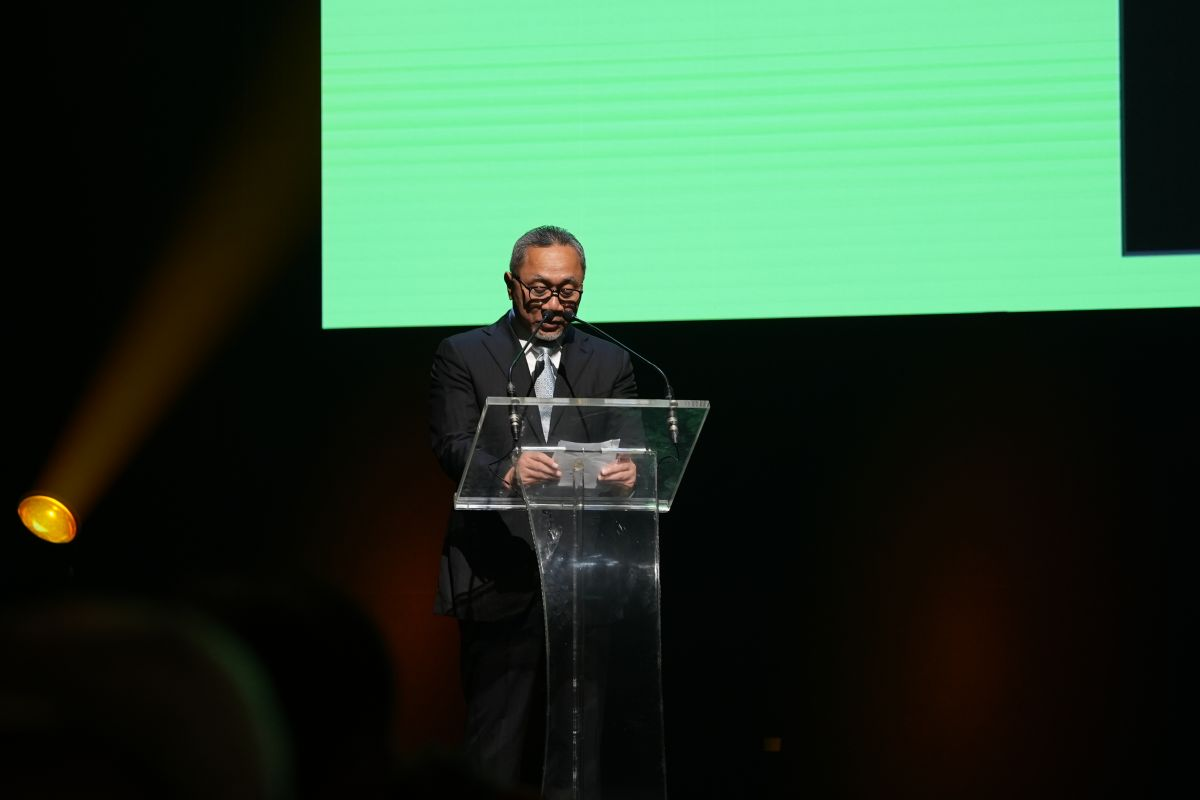
Coordinating Minister for Food Affairs Zulkifli Hasan has affirmed the Indonesian government’s firm commitment to solving the country’s growing waste crisis within the next two years. He announced this ambitious plan at the Indonesia Net-Zero Summit 2025, revealing that the primary strategy will be the large-scale implementation of waste-to-energy (WTE), or waste-to-electricity (PSEL), technology. Hasan shared a powerful anecdote from a conversation with President Prabowo Subianto, who expressed deep concern over the nation’s immense waste accumulation, particularly at the Bantargebang Waste Processing Site, where the garbage pile is said to be as tall as a 20-story building. Hasan relayed the President’s challenge and his own confident response, stating that with a Presidential Decree, he could solve the issue in two years. This direct dialogue highlights the government’s sense of urgency and its determination to tackle a problem that has become a national embarrassment.
Streamlining Bureaucracy to Accelerate Waste-to-Energy Projects
The government’s plan focuses on implementing waste-to-energy technology in major urban areas that generate over one thousand tons of waste daily. Minister Hasan underscored that this technology, which effectively converts waste into a valuable energy source, is a proven solution that has been successfully utilized in many developed countries around the world. However, he admitted that his experience during the first nine months in office has shown that the development of these crucial WTE facilities is often slowed down by complex and burdensome bureaucratic procedures. Despite significant interest from various private parties in these projects, the process has been continuously hampered by a lengthy chain of approvals. This red tape has been a major obstacle to progress. In response to these challenges, the government is now actively finalizing a new regulation that is expected to be completed within the next one to two weeks, with the aim of simplifying the bureaucratic process and accelerating project implementation.
New Regulations to Simplify Development and Operations
To address the significant bureaucratic hurdles, the government’s new regulation is designed to dramatically streamline the approval process for waste-to-energy projects. Under the current system, the development of a WTE facility requires approvals from a wide range of entities, including local councils and several different ministries, such as the Ministry of Finance, the Ministry of Environment, and the Ministry of Energy and Mineral Resources (ESDM), as well as the state electricity firm PLN. The new framework will simplify these procedures by giving local governments a more focused role: their responsibility will be limited to providing the necessary land and managing the logistics of waste transportation. Concurrently, the central government will take on the crucial responsibility of directly handling negotiations with PLN and managing all related subsidy matters. This simplified, centralized approach is intended to cut through the red tape and accelerate the development of WTE facilities, paving the way for a more efficient and effective solution to Indonesia’s waste crisis.