



Strengthening Indonesia’s Waste-to-Energy Initiative for Food Security
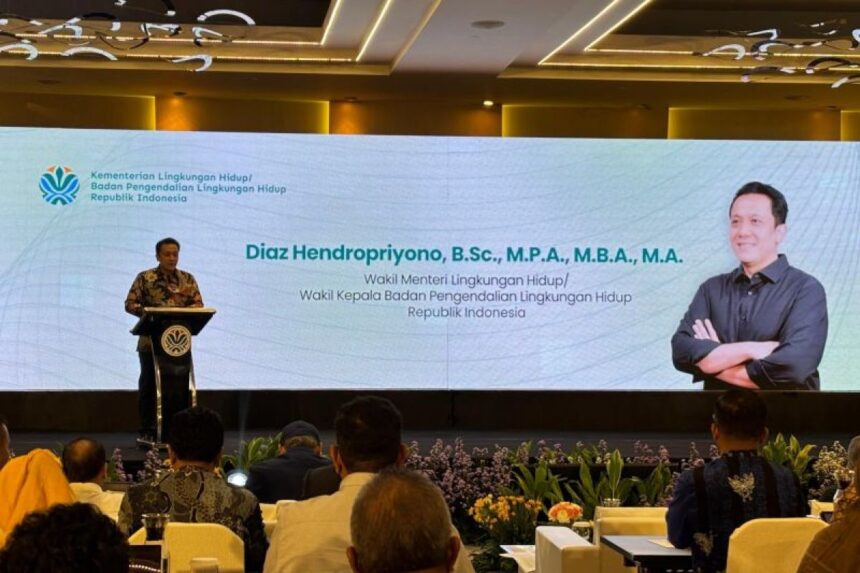
Indonesia is facing a crucial imperative to significantly strengthen its waste management system to effectively support the national goal of achieving food self-sufficiency, a vital mandate set by the new administration. This strategic focus, which was recently reiterated by Deputy Environment Minister Diaz Hendropriyono, also echoes President Prabowo Subianto’s call for immediate, decisive action on clean water resource management.
Hendropriyono clearly articulated that the successful integration of sophisticated water and robust waste management systems is absolutely integral to securing national food resilience, a top priority under the current administration’s agenda for national development.
He conveyed the President’s emphasis during a recent cabinet meeting, where the necessity of clean water was highlighted due to its direct and undeniable link to both food security and overall national resilience.
Speaking at a forum focused on the implementation of Presidential Regulation No. 109/2025, the deputy minister explained that this new policy actively promotes the conversion of municipal waste into renewable energy through the adoption of environmentally friendly technologies.
He stressed that continued improper disposal inevitably leads to severe water pollution, which directly undermines all ongoing efforts to improve food resilience and stability.
Policy Directives and Ambitious Targets for Sustainable Waste Management
The new Presidential Regulation No. 109/2025 serves as a pivotal policy tool designed to drastically reduce the volume of waste sent to overflowing landfills.
The regulation is also intended to limit the environmental pollution caused by leachate, the toxic liquid that drains from waste sites.
The President has established clear, ambitious targets for the nation, setting a goal for Indonesia to properly manage 51 percent of its waste this year, moving toward the ultimate objective of achieving full, nationwide waste management by 2029.
This comprehensive approach recognizes that efficient waste management is not just an environmental issue but a foundational element of economic and agricultural security.
To accelerate the achievement of these goals, the deputy minister strongly urged both regional governments and the private sector to swiftly roll out waste-to-energy (WTE) projects across the country, transforming a national liability into a resource.
He provided specific logistical guidance, noting that regional governments must quickly prepare suitable land—ideally parcels of four to five hectares—and simultaneously ensure reliable access to necessary water resources for these industrial facilities.
Mobilizing Investment and Identifying Key Project Sites
In a coordinated effort supporting the rollout, Environment Minister Hanif Faisol Nurofiq confirmed earlier that the ministry had completed and submitted a critical verification report to Danantara, Indonesia’s sovereign wealth fund. This important document identifies a number of high-potential sites suitable for the immediate construction of new waste-to-energy projects.
Proposed regions that have been identified for these strategic investments include Sleman and Bantul in Yogyakarta, Denpasar and Badung in Bali, Bogor and Depok in West Java, and Medan and Deli Serdang in North Sumatra.
Under the provisions of the presidential regulation, which was officially signed on October 10, Danantara has been officially tasked with the responsibility of leading the crucial investment and management initiatives for these large-scale WTE projects nationwide.
This centralized leadership is a key element in supporting Indonesia’s broader transition toward a more circular and truly sustainable economy. By converting municipal garbage into clean power, the nation can address its environmental challenges while simultaneously generating energy resources and safeguarding the clean water supplies that are essential for long-term food self-sufficiency and responsible waste management. This strategic investment in a comprehensive waste management infrastructure is deemed crucial for the future prosperity and resilience of the nation.