Capitalargo.com – As global travel preferences shift toward greater cultural sensitivity and ethical experiences, Malaysia continues to emerge as a leading destination for Muslim-friendly tourism. Investors worldwide are increasingly examining the investment potential in the halal tourism and hospitality sector in Malaysia, driven by rising demand for Shariah-compliant products, family-friendly services, and halal-certified establishments.
With a stable economic foundation—bolstered by strong 3Q GDP growth putting Malaysia on track for its 2025 target—and strong government support, Malaysia remains one of the most attractive markets for businesses seeking to expand into halal tourism.
The country’s strategic positioning as a Muslim-majority nation, coupled with strong infrastructure and a rapidly modernizing hospitality industry, makes it a prime location for investment. Over the past decade, Malaysia has consistently ranked among the top Muslim-friendly travel destinations according to independent global indexes. This has placed the halal tourism and hospitality sector in Malaysia at the forefront of Southeast Asia’s tourism expansion.
In a world where Muslim travelers increasingly prefer destinations offering halal food, prayer-friendly facilities, segregated recreational areas, and Shariah-aligned hospitality services, Malaysia’s existing strengths provide an ideal gateway for investors seeking stability and long-term returns.
Why Malaysia Leads the Global Halal Tourism Market
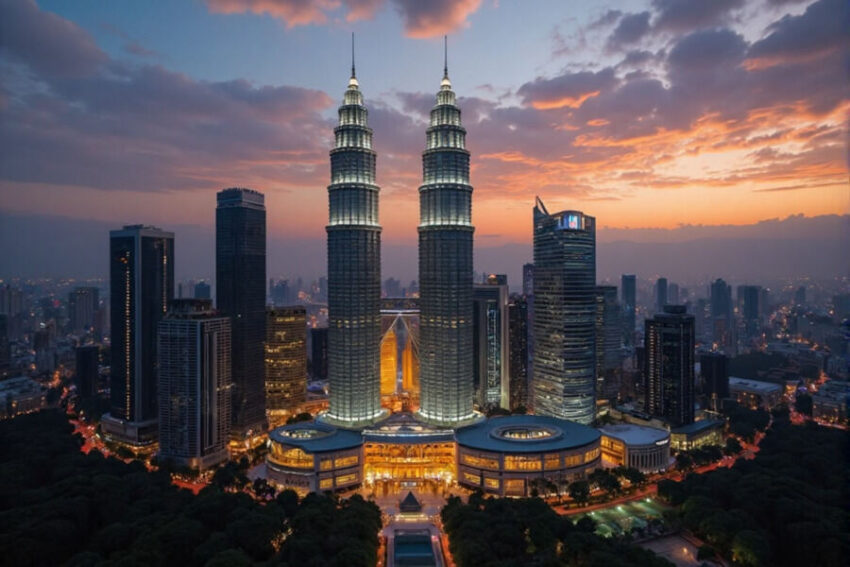
The rapid growth of the halal tourism and hospitality sector in Malaysia is no coincidence. Several long-standing factors contribute to Malaysia’s competitive advantage:
- Malaysia has a Muslim-majority population
- Strong government policies supporting halal certification
- Robust infrastructure: airports, highways, hotels, and transportation
- Global recognition from Muslim-friendly travel indices
- Growing interest from Middle Eastern tourists
- Regional proximity to the world’s largest Muslim population base (Indonesia)
Malaysia’s position is unique because it offers an authentic yet modern Muslim travel experience. Travelers can enjoy advanced urban centers such as Kuala Lumpur while still accessing halal-certified restaurants, Islamic tourism landmarks, and prayer facilities everywhere they go. This ecosystem fundamentally enhances the investment potential in the halal tourism and hospitality sector in Malaysia, making the market highly scalable.
Understanding Halal Tourism and Its Economic Appeal
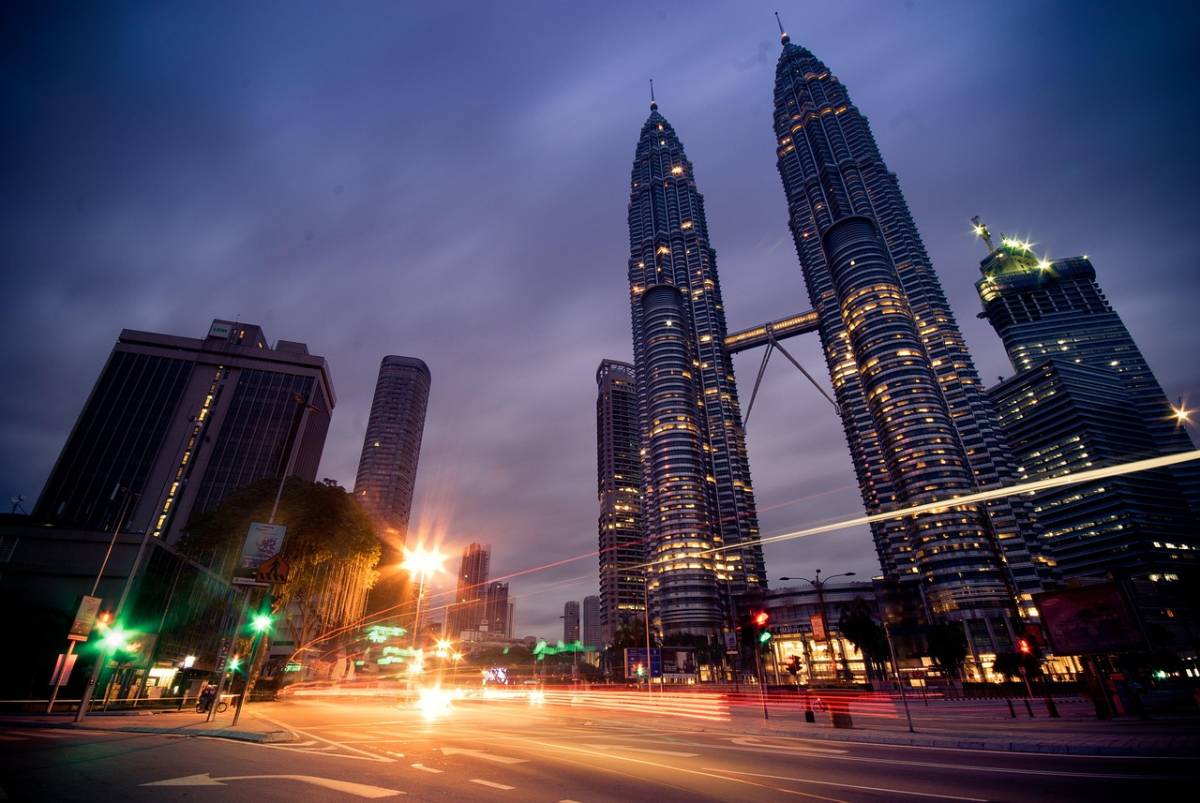
Halal tourism is not merely about providing halal food. It encompasses a wide spectrum of Shariah-aligned services and facilities that appeal not only to Muslim travelers but also to ethical and safety-conscious travelers from diverse backgrounds.
Elements commonly associated with halal tourism include:
- Halal-certified food and beverage outlets
- Prayer rooms and access to mosques
- Modest beach, pool, and spa facilities
- Shariah-compliant hotel financing and operations
- Gender-segregated recreational areas
- Family-friendly entertainment
- Alcohol-free hotel environments
These features help differentiate Malaysia in a competitive global tourism market. Investors exploring the investment potential in the halal tourism and hospitality sector in Malaysia will find strong demand from travelers who appreciate safe, modest, and high-quality hospitality offerings.
Market Size and Demand Trends
The Muslim travel market is projected to expand rapidly over the next decade. With more than 1.9 billion Muslims worldwide, travel spending is anticipated to reach hundreds of billions annually. Southeast Asia, especially Malaysia, plays a critical role in accommodating this growth.
The demand drivers include:
- Rising disposable income among young Muslim travelers
- Increased digital connectivity driving halal travel planning
- Growing interest in spiritual, cultural, and family-oriented travel
- Foreign investments into halal tourism infrastructure
- Strong air connectivity between Malaysia and GCC countries
- Government incentives for hospitality and halal-related projects
These dynamics collectively strengthen the investment potential in the halal tourism and hospitality sector in Malaysia for both domestic and international investors.
Key Opportunities for Investors
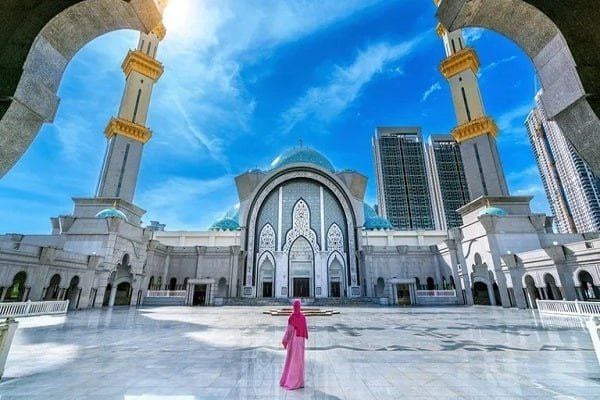
Malaysia offers a diversified investment landscape within the halal tourism sector. Entrepreneurs, corporations, and institutional investors can explore opportunities in multiple categories:
Halal-Certified Hotels and Resorts
With growing demand for Muslim-friendly accommodations, the market for halal hotels continues to expand. Investors can establish:
• Alcohol-free boutique hotels
• Luxury Shariah-compliant resorts
• Family-oriented lodging facilities
• Hotels offering gender-segregated amenities
The halal hotel concept has proven financially rewarding in markets like Turkey and the UAE, suggesting strong potential in Malaysia—especially when paired with solar-powered facilities that benefit from incentives outlined in how Malaysia supports solar development.
Halal Food and Beverage Establishments
Restaurants catering to halal cuisine are already prevalent, but investors can tap into niche areas such as:
• Halal fine dining
• International halal food franchises
• Halal-certified cafes and bakeries
• Healthy and organic halal food outlets
This is one of the most profitable segments of the halal tourism and hospitality sector in Malaysia.
Halal Travel Agencies and Online Booking Platforms
Digital services catering to halal travel are on the rise. These include:
• Online travel agencies offering Shariah-compliant itineraries
• AI-based apps identifying halal food and prayer places
• Domestic and regional halal travel packages
• Muslim-friendly honeymoon and family tour providers
Wellness, Beauty, and Halal Spa Services
The demand for modest, Shariah-aligned wellness services is increasing. Investors can build:
• Women-only spas
• Hijab-friendly fitness centers
• Halal-certified beauty clinics
• Modest fashion boutiques connected to tourism centers
Halal Retail and Shopping Destinations
Tourists often seek halal-certified goods. Opportunities include:
• Islamic fashion hubs
• Halal-certified skincare and beauty product centers
• Markets focusing on local Muslim artisanal goods
These retail opportunities complement hotel and travel investments.
Government Support Strengthening Investor Confidence
One of the reasons the investment potential in the halal tourism and hospitality sector in Malaysia is so strong is the extensive support from the Malaysian government. Several government agencies play crucial roles:
- Malaysia Tourism Promotion Board
- Department of Islamic Development Malaysia (JAKIM)
- Malaysia External Trade Development Corporation
- Halal Development Corporation
They regulate halal certification, offer investment incentives, promote tourism campaigns, and enhance Malaysia’s global image as a leading halal travel destination.
Incentives for investors often include:
- Tax exemptions
- Grants for tourism development
- Financing for halal-certified businesses
- Marketing support for new tourism destinations
This ecosystem reinforces investor confidence and accelerates the growth of halal tourism businesses.
Regional Competition and Malaysia’s Competitive Advantage
While neighboring countries such as Indonesia, Brunei, and Singapore are also strengthening their halal tourism offerings, Malaysia maintains a competitive edge due to:
- Long-established halal certification standards
- Decades of tourism infrastructure development
- Globally recognized Muslim-friendly rankings
- Strong bilingual and multicultural hospitality workforce
- Strategic location and air connectivity
This ensures that the halal tourism and hospitality sector in Malaysia will remain competitive even as regional players expand their offerings.
Challenges Facing the Halal Tourism Sector
Despite strong opportunities, investors must be aware of potential challenges, including:
- Consistency of halal certification across local businesses
- Rising competition from mainstream tourism sectors
- Operational costs for Shariah-compliant hotels and resorts—exacerbated by rising utility costs affecting profit margins across Malaysian industries
- Need for advanced digital marketing expertise
- Evolving customer expectations among younger Muslim travelers
While these challenges exist, they also create space for innovation and differentiation—especially for investors with strong operational capabilities.
The Role of Technology in Malaysia’s Halal Tourism Expansion
Technology is transforming the halal tourism landscape. Investors evaluating the investment potential in the halal tourism and hospitality sector in Malaysia should consider technology-driven approaches such as:
- Contactless check-in at halal hotels
- Apps for finding halal restaurants and prayer spaces
- AI-powered travel recommendations
- Digital Shariah compliance verification
- Virtual experiences of Islamic heritage sites
Younger travelers prefer digital-first tourism services, making technology a crucial growth driver for the next decade.
Why Investment Potential Will Continue to Rise
The long-term outlook for the halal tourism and hospitality sector in Malaysia is exceptionally strong. The sector is supported by:
- Global population growth among Muslims
- Malaysia’s strong reputation as a halal leader
- Government investment in sustainable tourism
- Increasing interest from GCC travelers
- Growing domestic demand from local Muslims
- Expansion of the digital halal economy
Foreign investors bringing USD, SGD, or GCC currencies will also benefit from structured FX strategies—see our detailed guide on how to manage currency risk when investing foreign currency earnings in local Malaysian assets—to protect returns when funding halal hospitality projects.
As global travel trends evolve, Malaysia’s halal tourism economy will continue to attract international investors.