Capitalargo.com – In 2025, Southeast Asia’s financial landscape continues to attract global investors searching for high-growth markets, young demographics, and emerging technologies. Yet, alongside promising prospects, rising macroeconomic uncertainties—particularly currency movements—have become a central concern. As global monetary tightening, geopolitical tensions, and uneven post-pandemic recoveries influence exchange rates—with regional growth projected at 4.9% in 2025 moderating to 4.7% in 2026 amid external headwinds —understanding the investment risks associated with currency devaluation in emerging SEA economies 2025 is essential for safeguarding capital and long-term returns.
Across emerging economies in the region—such as Indonesia, Vietnam, the Philippines, Cambodia, Myanmar, and Laos—the risk of depreciation has grown more significant. These markets are dynamic, infrastructure-heavy, and consumption-driven, but they remain vulnerable to global shocks.
Meanwhile, more stable economies like Singapore, Malaysia, and Thailand present contrasting levels of currency resilience, demonstrating the complex financial landscape investors must navigate. For instance, while Lao PDR and Myanmar face elevated inflation risks at 13.5% and 29.3% respectively in 2025 due to currency weakness , Singapore and Thailand maintain relative stability with inflation below 2%.
This article provides a comprehensive exploration of how currency devaluation in emerging SEA economies impacts equity markets, real estate, consumer demand, FDI inflows, and cross-border investment strategies. It further examines inflation spillovers, sovereign risk, and methods investors can use to mitigate exposure in 2025’s shifting economic environment.
Understanding the Drivers of Currency Devaluation in 2025
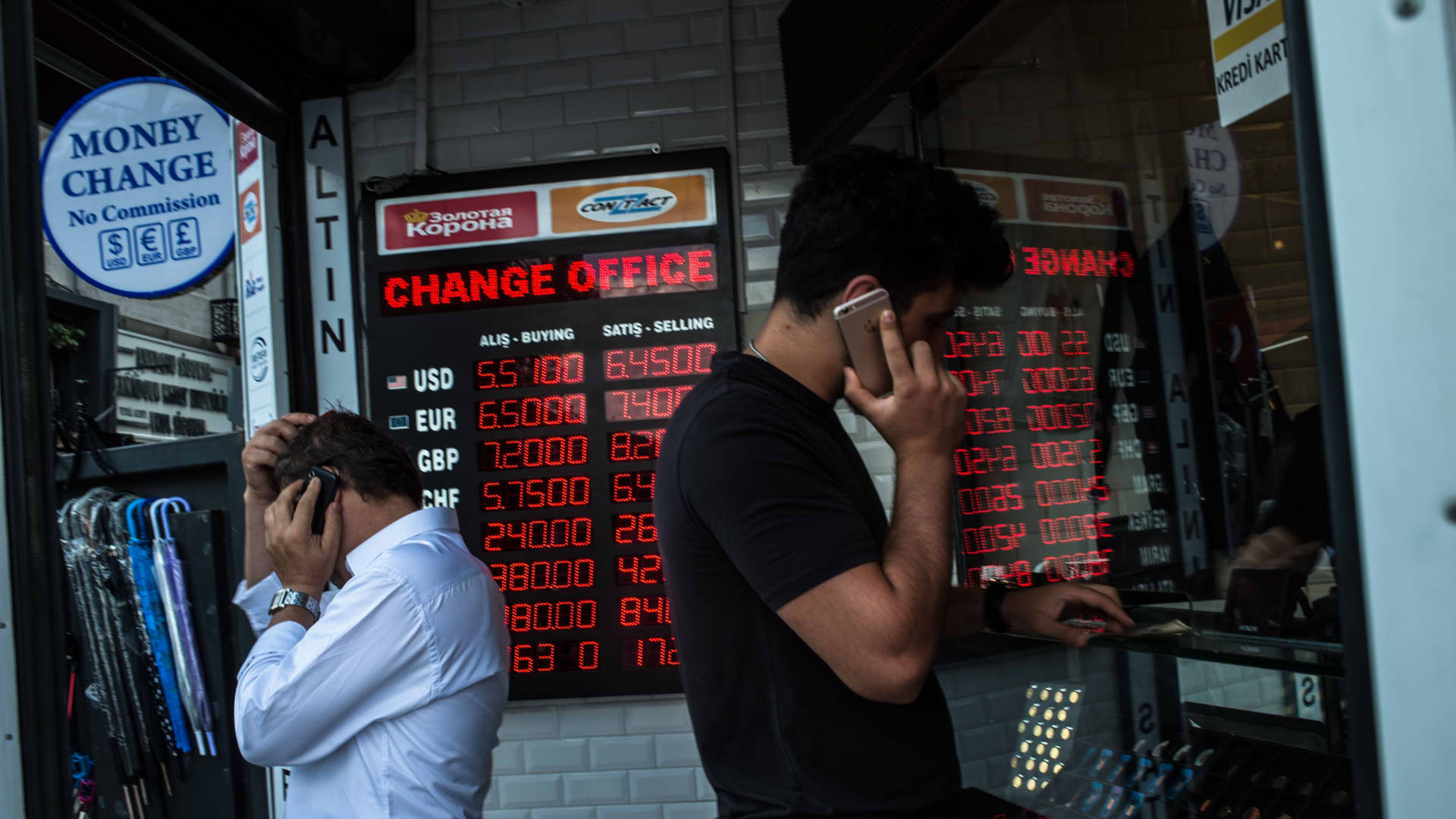
Before examining the investment risks, it is important to understand what drives currency devaluation across emerging SEA markets. In 2025, several major themes shape the financial outlook:
Key drivers include:
- Global interest rate cycles led by the U.S. Federal Reserve
- Escalating geopolitical tensions affecting trade routes
- Sluggish export demand from China
- Rising public debt and widening fiscal deficits
- Local political instability in certain countries
- Dollar-denominated debt burdens
- Lower-than-expected tourism recovery in select markets
These factors collectively contribute to currency devaluation in emerging SEA economies, increasing uncertainty for investors holding assets in local denominations. Understanding these structural drivers helps contextualize the broader investment risks associated with currency devaluation in emerging SEA economies 2025. For example, Myanmar’s ongoing conflict and Lao PDR’s macroeconomic instability have led to sharp depreciations, exacerbating inflation to 20.7% and 25.0% respectively in 2024, with carryover effects into 2025.
How Currency Devaluation Affects Investment Portfolios

When a currency weakens, it impacts almost every asset class—stocks, bonds, real estate, commodities, and private equity portfolios. For foreign investors, the most immediate effect is the erosion of returns when profits are converted back into stronger currencies.
Core implications include:
- Declining asset values in USD terms
- Higher operational costs for businesses reliant on imports
- Shrinking profit margins for multinational firms
- Increasing loan repayment burdens for companies with foreign currency debt
- Lower dividend payouts once converted into foreign currency
This widespread impact underscores why the investment risks associated with currency devaluation in emerging SEA economies 2025 remain a central focus for investment advisors and financial institutions. In particular, a stronger USD—projected to persist amid U.S. policy shifts—could amplify these effects, as seen in historical crises like the 1997 Asian Financial Crisis where rapid depreciations led to capital flight and asset value erosion across the region.
Sector-by-Sector Impact of Devaluation
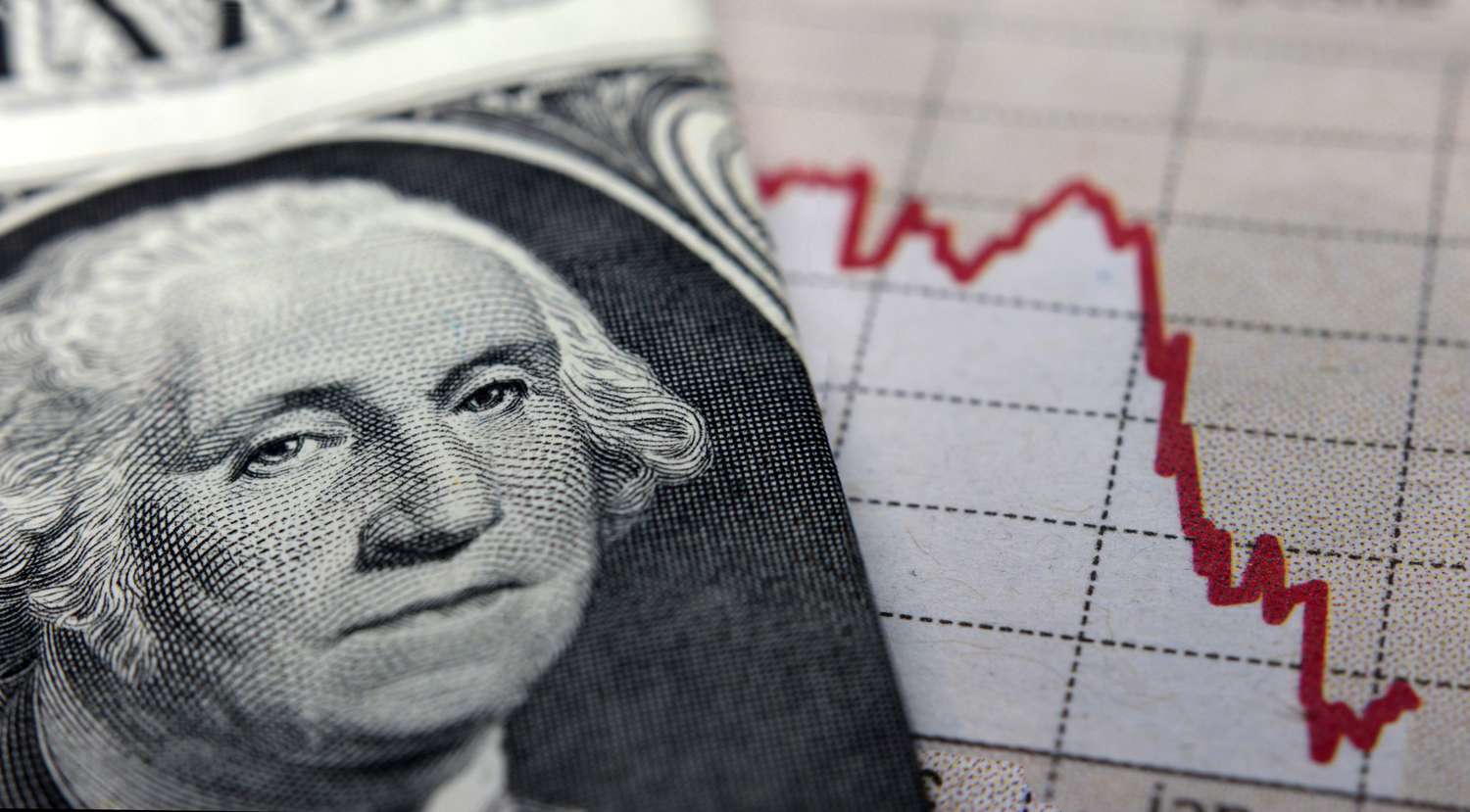
Currency devaluation tends to affect industries in different ways. Some sectors suffer direct losses, while others may experience short-term boosts depending on their exposure.
Sectors most vulnerable to devaluation:
- Import-heavy industries such as manufacturing and automotive
- Consumer goods companies dependent on foreign-made raw materials
- Real estate firms with USD-denominated debt
- Energy companies reliant on imported fuel
- Retailers facing higher logistics and supply chain expenses
Sectors that may benefit:
- Export-focused manufacturers
- Agricultural producers
- Tourism operators (if political conditions remain stable)
Even beneficial effects are not guaranteed, as inflation and consumer spending power often offset potential gains. This mixed impact adds another layer to the investment risks associated with currency devaluation in emerging SEA economies 2025, making sector selection a key strategic consideration. For instance, Vietnam’s manufacturing sector—projected to grow 7.5% in 2025—could see boosted competitiveness from a weaker VND, while Cambodia’s import-dependent construction faces cost pressures.
Inflation Pressures and Consumer Purchasing Power
One of the greatest risks linked to currency devaluation in emerging SEA economies is its direct contribution to inflation. As local currencies weaken, the cost of imported goods—from food and fuel to machinery and technology—rises significantly.
Inflation-related investment risks include:
- Lower consumer spending and reduced retail sales
- Higher business operating costs
- Shrinking corporate profit margins
- Greater difficulty for central banks to stabilize GDP growth
- Increased risk of interest rate hikes that can slow investments
In economies where a large proportion of consumer goods are imported, the effects of inflation multiply. For investors, this means greater volatility in stocks, weaker valuation metrics, and higher credit risk for companies struggling to maintain profitability. Regional inflation is forecasted to ease to 2.9% in 2025 from 3.3% in 2024, but outliers like Myanmar (29.3%) and Lao PDR (13.5%) highlight persistent vulnerabilities.
Impact on Real Estate and Property Investment
Real estate is typically seen as a hedge against inflation, but currency devaluation complicates the picture. In emerging SEA markets, property developers often rely on imported materials—steel, cement, glass, and machinery.
Risks to property investors include:
- Higher construction costs leading to project delays
- Increased housing prices that may reduce demand
- Reduced purchasing power for local buyers
- Rising mortgage interest rates
- Exposure to foreign currency debt obligations
International investors holding assets in these markets may find that rental income and capital appreciation fail to keep pace with currency depreciation. These challenges are part of the broader investment risks associated with currency devaluation in emerging SEA economies 2025, especially for long-term property-focused portfolios. In the Philippines, for example, a 5-7% peso depreciation could inflate construction costs by 10-15%, straining developers amid 6.2% GDP growth.
Foreign Debt Exposure and Corporate Vulnerability
Many corporations in emerging SEA economies rely on dollar-denominated loans due to lower interest rates and higher availability of international financing. However, currency devaluation dramatically increases repayment burdens.
Risks include:
- Higher default probability
- Deterioration of corporate balance sheets
- Reduced access to refinancing
- Lower investor confidence and declining stock valuations
Companies with thin profit margins and high debt ratios face significant stress under currency pressure. Investors must therefore evaluate corporate debt structures when assessing the investment risks associated with currency devaluation in emerging SEA economies 2025. Indonesia’s corporate sector, with $200B+ in USD debt, exemplifies this, where a 5% rupiah drop could add IDR 10T to annual servicing costs.
Impact on Equity Markets and Foreign Portfolio Investment
Currency volatility directly influences stock market performance. When foreign investors anticipate devaluation, they often reduce exposure, leading to capital outflows and declining index levels.
Market-related risks include:
- Sell-offs triggered by FX uncertainty
- Weakening financial sector performance
- Reduced FDI inflows
- Limited access to foreign investment capital for startups
- Heavier volatility in sectors sensitive to import costs
In 2025, investors must monitor monetary policy updates, foreign reserves data, and macroeconomic indicators to properly navigate currency devaluation in emerging SEA economies. FDI inflows to ASEAN fell 8% in 2024 excluding conduits, signaling caution amid USD strength—yet Vietnam and Indonesia bucked the trend with 15% and 12% growth respectively.
Effects on Startups and Venture Capital Investments
Startups in SEA rely heavily on foreign venture capital. Currency devaluation affects early-stage companies by increasing costs, reducing purchasing power, and lowering valuation potential.
Risks faced by startups:
- Reduced ability to scale due to higher USD-denominated expenses
- Lower investor appetite during periods of volatility
- Difficulty paying cloud services, software subscriptions, and foreign contractors
- Valuation corrections in funding rounds
Investors must therefore carefully assess startup resilience, burn rate, and exposure to exchange rate fluctuations before deploying capital in 2025.
Sovereign Risk and Policy Uncertainty
Currency devaluation is often linked to concerns about sovereign debt sustainability, political instability, or insufficient foreign reserves. This adds another layer of uncertainty to investment strategies.
Key sovereign risks:
- Risk of government intervention in capital markets
- Sudden policy changes affecting currency flows
- Borrowing difficulties for governments with rising deficits
- Pressure on central bank reserves and FX stabilization measures
Investors should track fiscal policy developments closely when assessing the investment risks associated with currency devaluation in emerging SEA economies 2025. Myanmar’s conflict-driven instability exemplifies this, with GDP growth revised down to 0.8% in 2024 and 1.7% in 2025.
Strategies to Mitigate Currency Devaluation Risks
Investors can use several strategies to protect portfolios from exchange rate exposure.
Common hedging and diversification methods include:
- Holding assets in more stable SEA markets like Singapore and Malaysia
- Using hedging tools such as forward contracts and currency swaps
- Diversifying across multiple currencies
- Investing in export-driven companies that benefit from weaker local currencies
- Allocating a portion of capital to commodities or USD-linked assets
- Evaluating corporate debt profiles and avoiding firms with high foreign-denominated liabilities
Deploying these strategies reduces exposure to the negative effects of currency devaluation in emerging SEA economies while preserving long-term growth potential.
How Central Banks Respond to Devaluation Risks
Central banks in SEA use multiple tools to manage currency stability, though effectiveness varies.
Common measures include:
- Adjusting policy interest rates
- Increasing intervention in foreign exchange markets
- Tightening liquidity conditions
- Implementing capital control measures
- Issuing guidance to stabilize investor sentiment
These actions influence capital flows, market confidence, and inflation outcomes, all of which affect investor strategies in 2025.
Long-Term Outlook for Investors in SEA Emerging Markets
While currency devaluation poses real risks, SEA remains an attractive investment destination due to its economic growth, strategic location, and young workforce. The long-term outlook will depend on global interest rate trends, export recovery, and domestic policy reforms.
Positive long-term trends include:
- Expanding digital economies
- Growing middle-class populations
- Increasing regional trade integration
- Infrastructure development across ASEAN
- Improved financial regulation and investor protections
When managed carefully, opportunities still outweigh risks—provided investors understand the dynamics influencing currency devaluation in emerging SEA economies.
Balancing Opportunity and Risk in 2025
The investment risks associated with currency devaluation in emerging SEA economies 2025 reflect the realities of investing in fast-growing yet volatile markets. While fluctuations in exchange rates can erode profits, strategic planning, proper diversification, and strong due diligence can help investors navigate uncertainty effectively.
Currency devaluation is not inherently negative; it can create openings in export sectors, local manufacturing, and tourism. But for foreign investors, risk management must remain a priority. By combining macroeconomic awareness with proactive hedging and careful sector selection, investors can continue benefiting from Southeast Asia’s dynamic future.