Capitalargo.com – Indonesia’s e-commerce sector has undergone an extraordinary transformation over the past decade, expanding from a largely informal online marketplace culture into a sophisticated, tech-driven ecosystem supporting millions of daily transactions. With more than 270 million people spread across thousands of islands, the country presents both a challenge and an opportunity for logistics providers.
As consumer demand accelerates—with e-commerce GMV projected to reach USD 94.5 billion in 2025 and USD 194.2 billion by 2030 at a 15.5% CAGR—so does the need for robust, scalable logistics networks capable of supporting last-mile delivery, cross-island distribution, and increasingly demanding service levels.
Investors watching this market recognize that logistics companies are no longer simply transportation providers—they are technology companies, infrastructure builders, and essential enablers of Indonesia’s digital economy. This deeper role has inspired increasing interest in formulating investment strategies for high-growth e-commerce logistics businesses that want to secure long-term market leadership.
This article explores the components shaping Indonesia’s logistics landscape, the competitive pressures driving innovation, and the strategic investment models that matter most for building durable growth in this rapidly evolving ecosystem.
Indonesia’s E-Commerce Surge and Its Logistics Implications
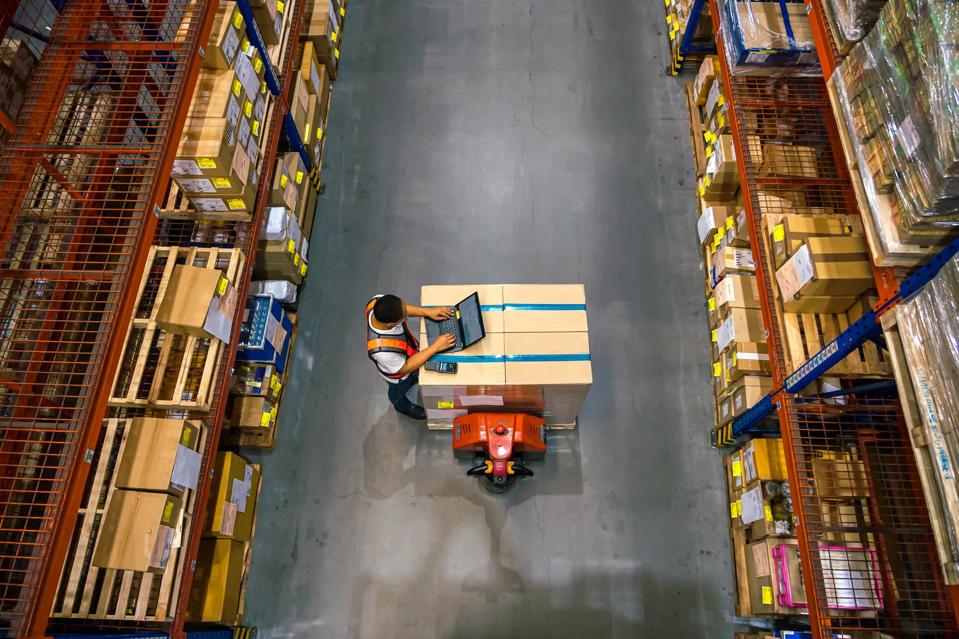

E-commerce growth in Indonesia has consistently outpaced regional averages. Digital marketplaces such as Tokopedia, Shopee, Bukalapak, TikTok Shop, and Blibli have reshaped consumer behavior, pushing demand for faster deliveries, more flexible services, and competitive shipping pricing.
As the digital economy projection rises toward hundreds of billions of dollars by the end of the decade—with the e-commerce logistics market valued at USD 5.27 billion in 2025 and expected to reach USD 7.93 billion by 2030 at an 8.52% CAGR—logistics infrastructure becomes one of the most critical enablers of future expansion.
Several trends highlight why investment strategies for high-growth e-commerce logistics are essential today:
- The rise of same-day and next-day delivery expectations
- High growth in FMCG, fashion, electronics, and cross-border consumer categories
- Rapid adoption of live-shopping and social commerce platforms
- Increasing integration of logistics services with payment, warehousing, and digital retail ecosystems
- Strong government support for strengthening infrastructure and digital transformation
The combination of these factors places logistics companies at the center of Indonesia’s economic evolution, making the sector one of the most attractive for long-term investment. Blockchain could further revolutionize this—how blockchain could transform trade and manufacturing across SEA highlights supply chain transparency, reducing fraud in cross-island shipments and attracting ESG-focused investors.
Why Investors Are Looking More Closely at Logistics Providers


Investors are drawn to logistics companies in Indonesia for several key reasons:
- High Demand, High Frequency
E-commerce orders are recurring transactions, creating consistent demand for delivery services across urban and rural regions. - Untapped Regional Potential
Emerging cities outside Java—such as Makassar, Medan, Balikpapan, Palembang, and Manado—are experiencing rising digital participation, offering significant growth potential. - Strong Technology Integration
Many logistics firms are shifting toward digitalization, incorporating route optimization systems, fulfillment automation, IoT tracking, and AI-driven forecasting. - Fragmented Competition Landscape
The market still lacks dominance by a single nationwide logistics provider, creating opportunities for aggressive expansion. - Government Support for Digital Ecosystems
Policies promoting MSME digitalization indirectly boost logistics demand, while infrastructure development reduces operational bottlenecks.
Investors who understand how to approach these opportunities can build strong portfolios centered around logistics networks, delivery technology providers, and integrated supply chain platforms.
Core Business Models Driving E-Commerce Logistics Growth
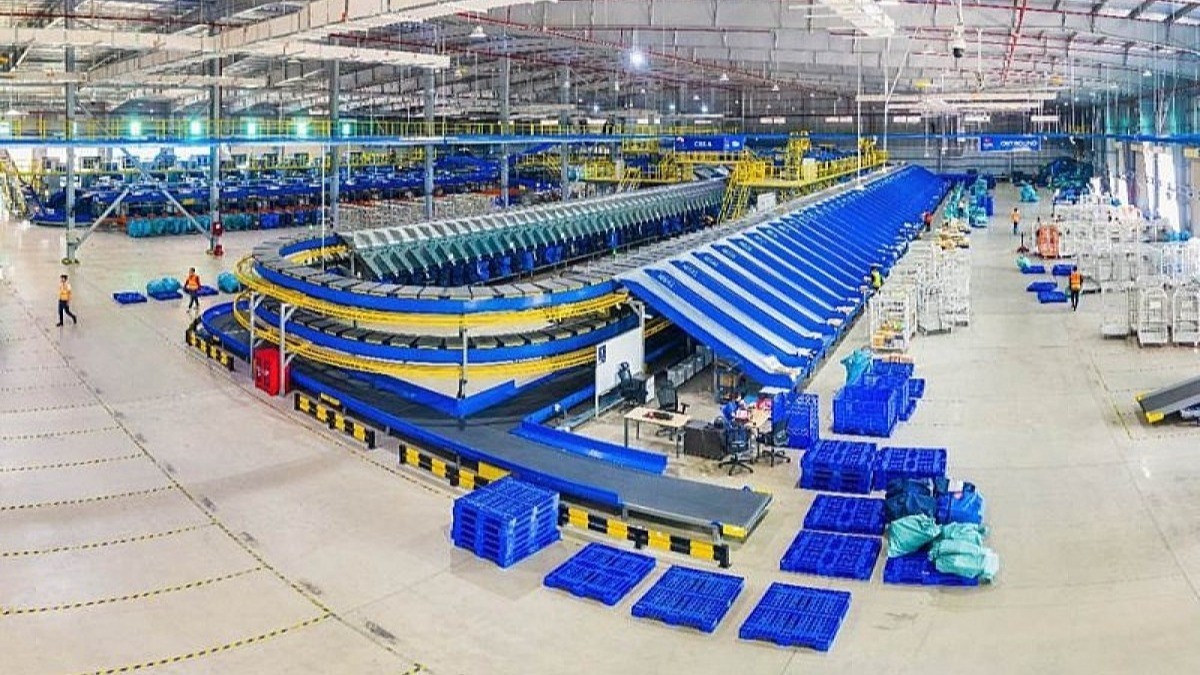

Understanding the business models adopted by high-growth logistics companies is essential before developing investment strategies.
Below are several models shaping Indonesia’s logistics environment:
- Last-Mile Delivery Platforms
These companies focus on delivering orders from local hubs and micro-warehouses directly to consumers. The model thrives in dense urban areas. - Multi-Service Express Logistics
Providers offer a combination of domestic shipping, cash-on-delivery support, and cross-island distribution. - Fulfillment and Warehousing Solutions
Many e-commerce logistics companies now operate fulfillment centers equipped with automation and real-time inventory systems. - Cross-Border Logistics Providers
Specialized operators help Indonesian sellers export goods to global markets and facilitate imports from neighboring countries. - Integrated Supply Chain Technology Platforms
Companies in this category build software ecosystems that connect merchants, fleets, warehouses, and customers through unified dashboards.
Each model requires different funding structures, operational strategies, and expansion tactics, which shape how investors formulate investment strategies for high-growth e-commerce logistics initiatives.
Major Challenges That Shape Investment Decisions
Logistics in Indonesia is a high-growth sector, but it is also high-complexity. Investors need to understand the barriers that logistics providers face across the archipelago.
Key challenges include:
- Geographic Fragmentation
Indonesia’s island geography increases distribution costs, especially for last-mile and inter-island shipments. - Urban Congestion
Major cities like Jakarta and Surabaya face traffic bottlenecks that reduce delivery efficiency. - Rising Fuel and Operational Costs
Fuel price volatility, labor shortages in warehousing, and rising vehicle maintenance costs affect profitability. - Infrastructure Inconsistencies
Regions outside Java sometimes experience slower internet connectivity and limited transportation routes. - Intense Price Competition
E-commerce platforms continuously push logistics providers to reduce shipping fees to attract customers.
Investors need to consider how each challenge influences financial models, scalability, and strategic positioning inside the logistics ecosystem. Regulatory overhauls, like the Indonesia government to overhaul minimum wage framework by 2026, could raise labor costs for logistics firms by 10-15% in urban areas, impacting margins but also driving automation investments.
Priority Investment Areas for High-Growth Logistics Companies
To build winning investment strategies for high-growth e-commerce logistics, investors must identify the most valuable areas to deploy capital. These areas directly contribute to operational efficiency, long-term scalability, and competitive advantage.
- Automation and Smart Warehousing
Automated storage systems, robotic sorting arms, and AI-driven inventory management reduce human error and accelerate processing speed. - Fleet Optimization Technologies
Software that improves route planning, reduces idle time, and maximizes delivery density contributes directly to cost reduction. - Micro-Fulfillment Centers
Small distribution hubs located close to customers enhance same-day delivery capability. - End-to-End Visibility Tools
Real-time tracking, IoT sensor systems, and integrated reporting dashboards strengthen customer trust and reduce missed deliveries. - Cross-Island Network Expansion
Strategic investment in distribution hubs across Sumatra, Kalimantan, Sulawesi, and Papua can unlock underserved markets. - Green Logistics Initiatives
Electric delivery fleets and carbon-efficient warehousing are rising priorities among ESG-focused investors. - Strategic Partnerships with E-Commerce Platforms
Securing exclusive or semi-exclusive agreements with marketplace operators ensures predictable volume and revenue stability.
These areas not only improve operational performance but also enhance valuation for future funding rounds or public listings.
Funding Strategies for Investors Targeting Logistics Providers
Investing in Indonesia’s e-commerce logistics sector requires strategic flexibility. Logistics businesses grow through a mix of capital-intensive and technology-heavy models.
Key funding approaches include:
- Venture Capital for Early-Stage Tech Platforms
Startups focused on routing software, fleet integration apps, and automated fulfillment systems are best suited for VC-style investments. - Private Equity for Mid-Stage Scaling
PE investors provide growth capital for nationwide expansion, merger opportunities, or technology upgrades. - Infrastructure Financing
Large logistics providers often require major funding to build distribution centers, expand fleets, or develop cold storage networks. - Strategic Corporate Investment
Partnerships with e-commerce marketplaces, telecommunications firms, and digital payment companies can accelerate adoption. - Asset-Backed Financing
Delivery fleets, warehouse equipment, and real estate holdings can be securitized, lowering the financial risks for investors.
Each funding method plays a vital role in shaping investment strategies for high-growth e-commerce logistics, especially when timing and market conditions are considered. With Indonesia’s debt financing target of 78% hit by October 2025—raising IDR 1,000 trillion in bonds and sukuk for infrastructure—the sector benefits from low-cost capital for hub expansions.
Scalability Models That Support Long-Term Return on Investment
The ultimate measure of success in the logistics sector is scalability. Investors must evaluate whether a company can expand without excessive cost increases.
Strong scalability strategies include:
- Hub-and-Spoke Distribution Networks
This model centralizes sorting and decentralizes distribution, enabling large-scale volume handling with cost efficiency. - Franchise-Based Courier Models
By partnering with local entrepreneurs, logistics firms can expand delivery coverage faster with lower capital requirements. - Hybrid Fleet Management
Combining owned fleets with third-party drivers reduces overhead and supports fluctuating demand. - Tiered Fulfillment Models
Central hubs handle high-volume inventory, while micro-hubs enable rapid dispatch. - Integrated Platform Ecosystems
Companies that unify warehousing, delivery, billing, and tracking in a single platform create strong competitive moats.
Analyzing scalability models helps investors identify logistics companies capable of weathering competition and delivering sustainable returns over time.
Risk Considerations for Investors
Investing in Indonesian logistics comes with risks that must be carefully evaluated to ensure well-informed decision-making.
Prominent risks include:
- Regulatory changes affecting delivery operations
- Rising operational costs from inflation or fuel variability
- Cybersecurity vulnerabilities in digital logistics platforms
- Heavy dependency on major e-commerce marketplaces
- Geopolitical risks affecting cross-border shipments
- Labor shortages or labor regulation changes
A robust investment strategy incorporates risk management tools such as diversification, milestone-based funding, operational audits, and periodic market assessments. Strong corporate performance, like KTC targeting record net profit driven by Q4 high season, shows how seasonal demand can buffer risks for logistics-tied firms.
Future Outlook for Indonesia’s E-Commerce Logistics Landscape
The long-term outlook remains positive. The combination of digital commerce growth, expanding middle-class purchasing power, and governmental infrastructure initiatives—with freight volume expected to exceed 1.3 billion tons by end-2025—positions Indonesia as one of the most promising logistics markets globally.
Future shifts likely to shape investment strategies for high-growth e-commerce logistics include:
- Increased automation through AI and machine learning
- Greater adoption of electric delivery vehicles
- Rising demand for cross-border Southeast Asian distribution channels
- Integration of logistics services with fintech and digital payments
- Expansion of cold-chain logistics for grocery and pharmaceutical e-commerce
Investors who position themselves early in these transitions will benefit most from the sector’s accelerating expansion.