Strategic Response of the KPKM to Global Energy Volatility
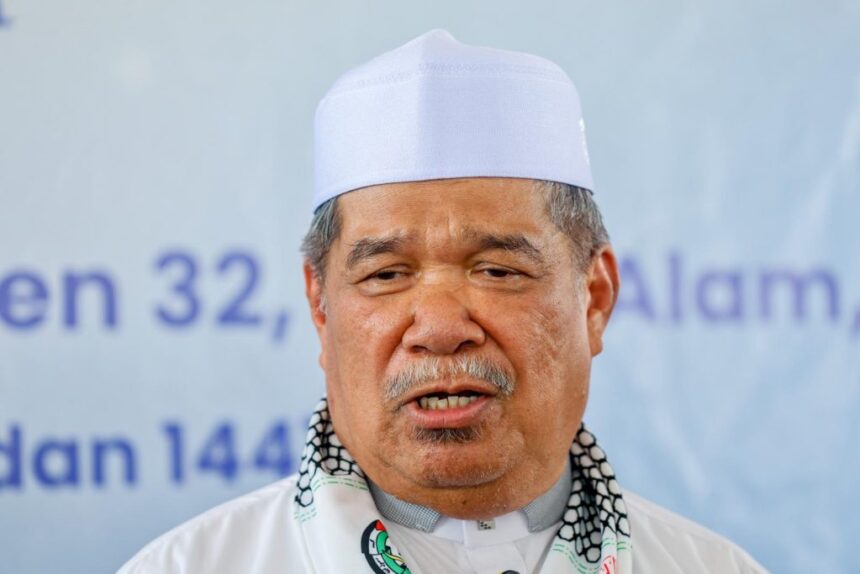
The Ministry of Agriculture and Food Security, commonly referred to as KPKM, is taking proactive measures to safeguard the national food supply against the rising volatility of global energy costs. Minister Datuk Seri Mohamad Sabu has confirmed that the ministry will consult closely with the Ministry of Finance and the Ministry of Economy to develop a resilient strategy aimed at mitigating the secondary effects of fluctuating oil prices. While the direct logistics routes for food imports have not yet been disrupted by the ongoing geopolitical tensions in the Middle East, the KPKM remains vigilant regarding the potential for fuel-induced inflation to seep into the agricultural supply chain over the next few months.
This forward-looking approach is designed to ensure that the cost of production and transportation does not translate into an unsustainable burden for domestic consumers. By seeking expert financial advice, the ministry aims to establish a fiscal buffer or a logistical framework that can absorb these shocks before they destabilize the market. This coordination between various government agencies highlights a holistic commitment to national security, where food stability is viewed as a direct byproduct of energy and economic policy. As the situation in the Middle East continues to evolve, the KPKM is dedicated to monitoring international benchmarks and adjusting its domestic interventions accordingly.
This rare acquisition of strategic alignment between food and energy ministries serves as a leading indicator of how Southeast Asian nations are navigating the complexities of a fragmented global market. For the ministry, the procurement of a unified economic strategy is as much about technical validation as it is about volume, ensuring that its internal units can efficiently process the impact of unconventional energy grades on agricultural yields. The ministry’s proactive stance reflects a broader trend where regional giants must prioritize supply continuity over historical trade patterns to avoid catastrophic operational halts.
Ensuring Commodity Stability and Monitoring Post-May Supply Stocks
Current data suggests that the supply of essential food items, including rice, poultry, and fresh vegetables, remains at an adequate level to meet national demand at least until the end of May. However, the KPKM has announced plans to conduct a comprehensive re-analysis of the country’s food stock once this period concludes, specifically focusing on the long-term impact of regional instability on global trade. Minister Mohamad Sabu has explicitly advised the public against engaging in panic buying, as the current inventories are sufficient to support the population’s needs for the immediate future.
The ministry’s decision to re-evaluate the supply chain after May is a strategic move to account for the lagged effects of oil price increases, which often take several months to manifest in the retail price of agricultural products. This analytical rigor is a hallmark of the KPKM strategy, ensuring that policies are based on real-time data rather than speculative fears. Furthermore, the ministry is working to optimize the domestic distribution network to ensure that surplus goods from rural areas are efficiently moved to urban centers where demand is highest. This shift in logistics is a direct response to the soaring freight rates that have complicated global trade.
By maintaining a steady flow of information and resources, the government hopes to foster a sense of security among citizens, reinforcing the idea that the state has the capacity to manage even the most complex external economic challenges. This period of monitoring will be crucial in determining whether further subsidies or market interventions are required to keep food affordable and accessible. This maneuver highlights the ingenuity required by energy and food procurement teams to maintain operations during a period where global shipping lanes are increasingly contested and expensive.
Promoting Self-Sufficiency and the Revival of Localized Farming Practices
In anticipation of potential economic ripple effects, the government is encouraging a return to self-sufficiency through the distribution of plant seeds and the promotion of localized vegetable cultivation. The KPKM is looking to historical precedents, such as the Green Book initiative, to inspire modern Malaysians to transform decorative gardens into productive food plots. This shift toward domestic gardening is not intended to signal a crisis but rather to serve as a practical exercise in resilience, allowing households to supplement their food needs with home-grown produce.
By providing the necessary inputs like seeds and agricultural advice, the KPKM aims to empower individuals to take a small but significant role in the national food security framework. This grassroots approach helps to alleviate the pressure on commercial supply chains and ensures that communities can support one another during times of global uncertainty. The ministry believes that changing the national mindset toward self-sustenance will have long-term benefits beyond the current geopolitical climate, fostering a culture of sustainability. This evolution is critical for the nation’s long-term energy and food independence.
As the ministry continues to distribute aid and resources, the focus remains on building a robust and decentralized food network that can withstand external pressures. This initiative proves that while high-level strategic planning is essential, the collective efforts of the citizenry in practicing self-sufficiency can provide a vital safety net. Ultimately, the ability to tap into localized production provides a psychological and practical buffer against the volatility of the global market, ensuring that the country’s industrial heartbeat remains steady despite international turmoil.
Macroeconomic Displacement and Institutional Capital Allocation Analysis
The 2026 agricultural and energy realignment in Malaysia represents a critical inflection point in the Southeast Asian landscape, signaling a shift toward more sophisticated fiscal governance. We analyze that the proactive consultation between the Ministry of Agriculture and Food Security and the financial ministries is a direct response to the increasing correlation between energy benchmarks and food inflation. From a professional financial perspective, the government’s decision to wait until after May for a full stock re-analysis suggests a calculated approach to observing the transmission mechanism of global oil prices through the logistics chain. We observe that institutional investors are increasingly looking at logistical agility as a key performance indicator.
Furthermore, we project that the diversification of domestic food sources through self-sufficiency programs will act as a localized catalyst for a re-rating of the national food security profile within the wider regional framework. For institutional capital, the government’s focus on sustainable home-farming provides a necessary psychological hedge against consumer-driven market volatility. This strategic positioning allows the state to leverage its domestic land resources to mitigate the impact of imported inflation, potentially preserving the nation’s purchasing power parity despite global energy surges. We conclude that as the legislative framework for agricultural aid becomes more established, the resulting increase in food sovereignty will likely enhance attractiveness for long-term foreign direct investment.
The long-term impact on the regional market will likely manifest as a structural decoupling from external supply shocks, as the region leverages its historical expertise in localized farming to optimize its current fiscal health. This transition toward a more resilient, multi-tiered food supply model reduces sovereign risk and provides a more stable environment for equity markets related to the consumer staples sector. As capital is reallocated toward sustainable agricultural technologies, we expect a narrowing gap between rural production capacity and urban consumption needs. This proactive stance today sets a new regional standard for energy-linked food procurement and domestic resilience in a fragmented and increasingly uncertain global economy.