Market Shifts In The Singapore Marine Fuel Sector
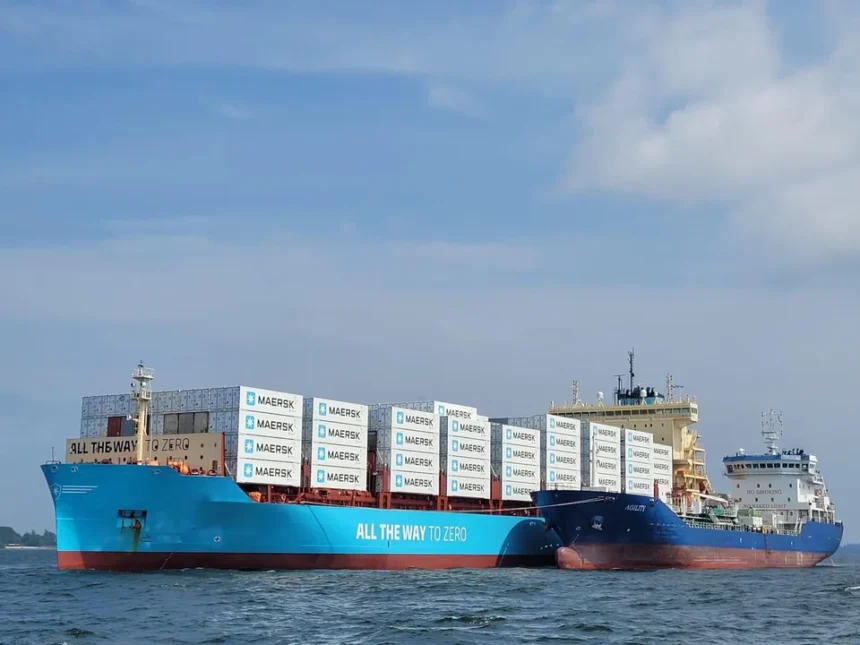
The maritime industry in Singapore recently encountered a notable contraction as statistics revealed a significant decline in bunkering activity across the city-state’s terminals. Market participants observed that the demand for marine fuel dropped by 8.7% in April, a trend that directly mirrors a substantial reduction in oil tanker arrivals within the world’s most prominent refueling hub. According to the latest data published by the Maritime and Port Authority of Singapore on Thursday, the total volume of bunkers sold reached approximately 4.4 million tonnes during the month of April. This figure represents a sharp departure from the 4.8 million tonnes recorded in March, highlighting a cooling period for the regional energy supply chain.
While the month-on-month figures show a steep decline, the year-on-year comparison indicates a more marginal softening of 1.2% in total volume. The underlying cause for this shift is largely attributed to a nearly 20% month-on-month plunge in the gross tonnage of oil tankers docking at the port. Gross tonnage, which serves as the primary measure of the total internal volume of these massive vessels, provides a clear picture of the scale of the slowdown. The number of oil tanker arrivals specifically fell by 13.3% over the month, totaling only 1,432 vessels compared to the 1,651 tankers that arrived in March.
This reduction in traffic has inevitably led to a lower consumption of marine fuel products, as fewer large-scale tankers require replenishment during their transits. The comparison with the previous year further emphasizes the shift, as April 2025 saw 1,483 arrivals with a higher collective tonnage. This localized volatility reflects the broader complexities of managing a global maritime hub during periods of significant international supply chain disruption.
Geopolitical Impacts On Global Energy Logistics
The primary driver behind the sudden drop in bunkering sales and vessel arrivals is the intense geopolitical friction currently occurring in the Middle East. Global analysts have pointed to the near-total cessation of crude oil flows through the Strait of Hormuz as the catalyst for this logistical nightmare. After the waterway was closed following military escalations involving Iran, the United States, and Israel in late February, the ripple effects began to paralyze major refueling centers. Approximately 20% of the world’s global crude oil volume typically traverses this narrow passage, and its closure has effectively choked the supply lines that feed the Singaporean market.
This scarcity has caused a dramatic surge in the spot prices for marine fuel delivered at the Republic’s piers, with costs more than doubling for essential grades. Key fuel categories, including high-sulphur fuels, low-sulphur fuels, and various marine gasoils, have all seen their premiums reach historic highs since the conflict began. Despite these mounting price pressures, authorities from the Maritime and Port Authority have maintained that the local supply remains sufficient to meet current demand levels. They emphasize that Singapore draws its energy resources from a diverse range of international sources, which provides a necessary buffer against specific regional blockades.
However, the sheer cost of procurement has forced many vessel operators to reconsider their refueling schedules or seek alternative routes that avoid high-cost zones. The interplay between limited supply and skyrocketing prices continues to redefine the economics of shipping in the region. As long as the Strait remains inaccessible, the elevated pricing for marine fuel is expected to remain a persistent challenge for logistics companies operating within the ASEAN corridor.
Shifting Rankings In Container Port Competitiveness
Beyond the energy sector, Singapore’s broader port performance has shown a mixture of resilience and new competitive challenges in the face of changing trade patterns. Total container throughput experienced a slight month-on-month slip of 3.5% in April, reaching approximately 3.8 million twenty-foot equivalent units. While this monthly decline is notable, the figure actually represents a 3.6% increase when compared to the same period in the previous year, suggesting that container traffic remains more stable than the volatile oil tanker segment.
However, total cargo volume across the port also declined by 7.8% over the month, settling at 49.2 million tonnes as the regional slowdown in marine fuel distribution and oil transport weighed on the aggregate data. Perhaps the most significant development in the regional hierarchy is the recent shift in global port rankings. For the first time in history, the Ningbo-Zhoushan port in China has overtaken Singapore as the world’s second-busiest container port during the first quarter of the year. The Chinese facility handled nearly 11.6 million units, edging out the 11.2 million units processed by the Republic’s terminals.
This shift underscores the growing industrial capacity of North Asian ports and the changing dynamics of transshipment within the global economy. As Singapore navigates these competitive pressures, its status as a premier refueling destination remains a vital component of its economic identity, even as it face short-term volume contractions. The focus remains on maintaining operational excellence and supply security to ensure that marine fuel remains readily available for the diverse fleet of vessels that power global trade.
Analytical Commentary On Regional Bunkering Resilience And Economic Exposure
From a financial and macroeconomic perspective, the 8.7% contraction in bunkering sales serves as a lagging indicator of high-velocity systemic risk within the ASEAN energy corridor. The doubling of spot prices for marine fuel grades creates a significant inflationary headwind for regional logistics, potentially compressing profit margins for shipping firms that lack sophisticated fuel hedging strategies. This price surge, coupled with the 20% drop in tanker tonnage, suggests a tactical reallocation of global maritime traffic. Vessel operators are likely optimizing for shorter routes or utilizing alternative hubs in an attempt to bypass the prohibitively expensive Singaporean spot market.
Furthermore, the rise of Ningbo-Zhoushan indicates a structural shift in transshipment dominance that could threaten Singapore’s long-term hub premium. While the Maritime and Port Authority highlights supply diversity as a strength, the sheer magnitude of the Strait of Hormuz closure tests the limits of traditional energy arbitrage. If the disruption persists, we anticipate a widening of the spread between Singaporean and Middle Eastern fuel benchmarks, which may incentivize the accelerated adoption of alternative propulsion technologies or LNG bunkering as long-term risk mitigation strategies.
Ultimately, the confluence of geopolitical instability and increased port competition requires a re-evaluation of Singapore’s defensive economic moats. The reliance on liquid fossil fuels as a primary revenue driver for the maritime sector exposes the Republic to significant exogenous shocks. The current volatility underscores the necessity of monitoring tanker arrival frequencies as a lead indicator for broader industrial output and trade balance stability within the region. Singapore’s ability to retain its status as a gateway hub will depend on its capacity to stabilize marine fuel pricing through strategic reserves and enhanced operational efficiency.