Renewed Tariff Negotiations on the Horizon
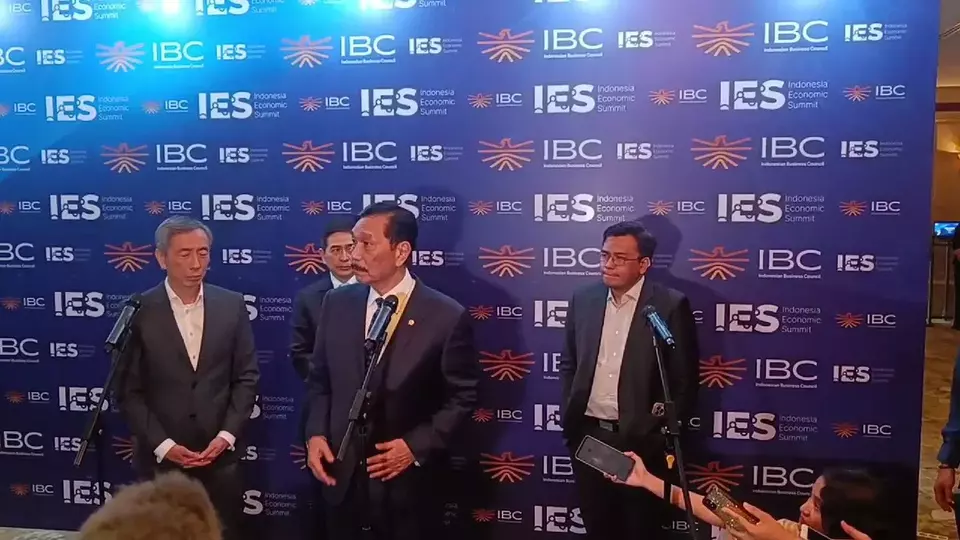
Indonesia is preparing to resume high-level trade discussions with the United States to address new sector-specific tariffs imposed by the Trump administration. Luhut Binsar Pandjaitan, the National Economic Council Chairman, has confirmed he will meet with US Commerce Secretary Howard Lutnick in September. The primary objective of these talks is to secure a reduction in import duties on a number of key Indonesian exports, particularly those that are not produced domestically by the US. Luhut, who has received approval from President Prabowo Subianto to lead these negotiations, emphasized that the discussions will focus on major commodities such as palm oil. He also plans to advocate for labor-intensive industries, including garments and footwear, to prevent them from being unfairly burdened by the new tariffs. This upcoming meeting signals Jakarta’s ongoing efforts to mitigate the economic impact of the US’s new trade policies.
Strategic Efforts to Mitigate Tariffs
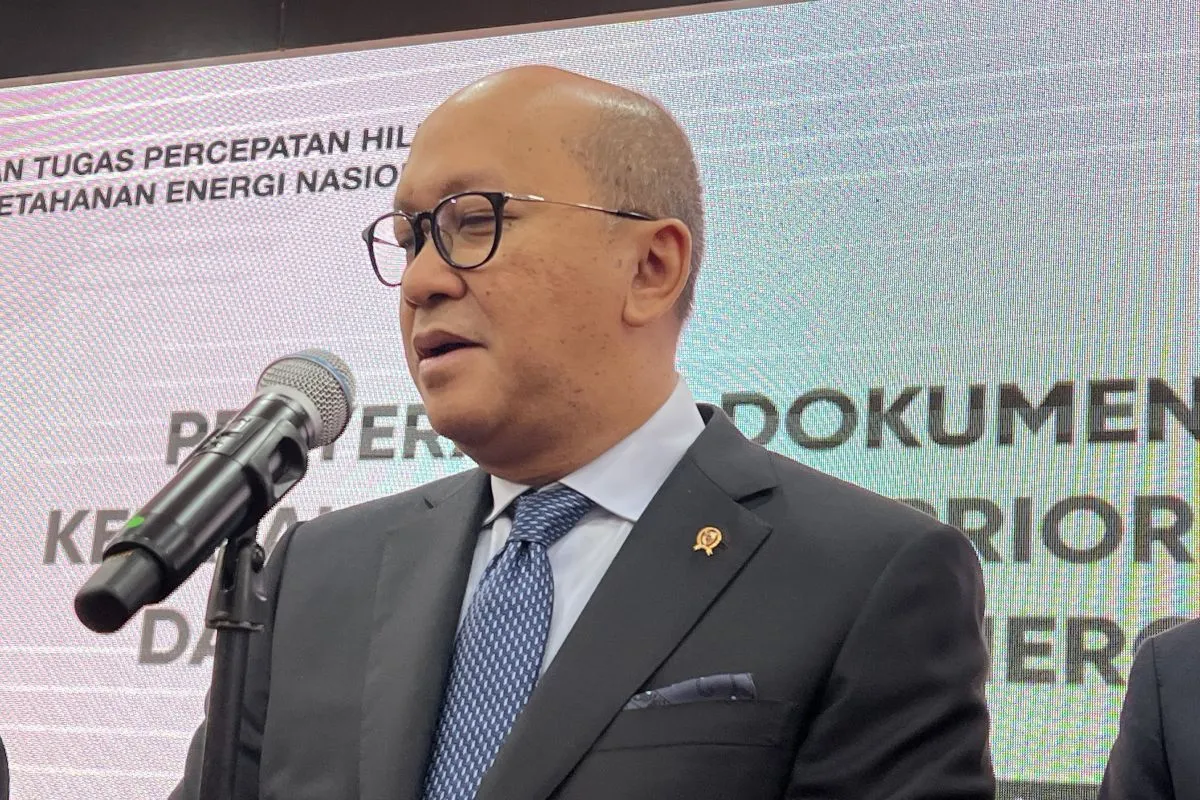
The planned meeting follows the recent imposition of a 19 percent tariff on Indonesian goods, a move by US President Donald Trump designed to narrow America’s trade deficit with Jakarta, which reached $17.9 billion in 2024. While Indonesia has officially accepted this new rate, which is lower than the 20 percent tariff imposed on Vietnam, the government is actively seeking relief for key exports. Luhut highlighted that Indonesia has already “softened Trump’s stance,” suggesting that the current rate is a result of prior negotiations. He plans to push for zero tariffs on commodities like nickel, palm oil, cacao, and coffee, which the US does not produce domestically. In a separate development, Investment Minister Rosan Roeslani recently announced that Washington had agreed to scrap import duties on Indonesian copper, although the specific implementation timeline has not been disclosed, providing a potential precedent for further sectoral exemptions.
Economic Implications for Key Sectors
The outcome of these tariff talks holds significant implications for Indonesia’s economy, which relies heavily on the US as a major trading partner. In 2024, bilateral trade between the two countries totaled an impressive $40.2 billion, making any changes to trade barriers highly impactful. A successful negotiation leading to sectoral tariff relief would help to cushion the broader economic effects of the new US trade measures. This is especially crucial as Southeast Asia’s largest economy is already facing external pressures from a slowing global economy and the strength of the US dollar. By securing exemptions for key commodities and labor-intensive products, Indonesia aims to protect its exports and the livelihoods of workers in these sectors. These ongoing discussions represent a proactive strategy by Jakarta to navigate a complex global trade environment and safeguard its economic interests.