




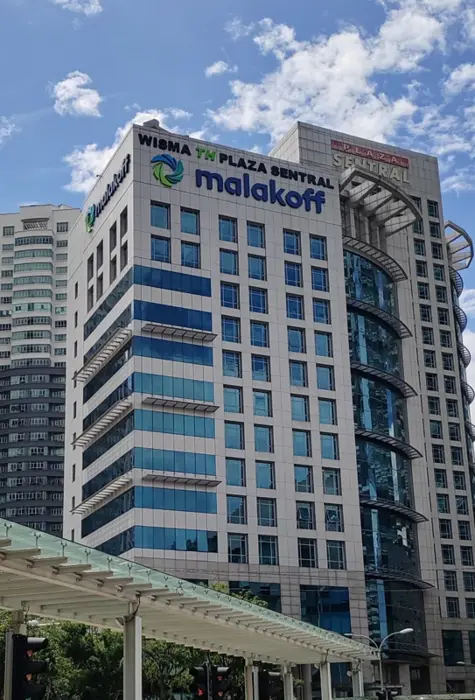
Strategic Extensions For Malakoff Gas Power Operations In Malaysia
The Energy Commission has officially sanctioned the operational extension for three major gas power plants owned by Malakoff Corporation Berhad, ensuring they remain active until the end of 2029. This strategic decision involves an aggregate capacity of 2,082MW, allowing the independent power producer to continue its vital role in supplying electricity to the national grid.
By securing these extensions within the first sixty words of its latest corporate update, the company reaffirms its position as a cornerstone of Malaysia energy infrastructure during a critical period of economic growth. The plants selected for this extension include two significant facilities located in Lumut, Perak, alongside a key site in Pulau Pinang.
Specifically, the 1,303MW Segari Energy Ventures and the 429MW GB3 plants in Perak, along with the 350MW Prai Power Plant, will all undergo transition into new power purchase agreements. This regulatory approval highlights the ongoing necessity of reliable thermal generation even as the nation explores greener alternatives while maintaining a stable reserve margin.
National Grid Stability And The Integration Of Reliable Energy Infrastructure
The upcoming finalization of new agreements with Tenaga Nasional Berhad marks a pivotal phase for Malakoff as it prepares to deliver consistent and flexible power through the end of the decade. These facilities have a long-standing history of supporting the national energy framework, and their continued operation is essential for maintaining grid stability during peak consumption periods.
Group CEO Syahrunizam Tan Sri Samsudin emphasized that this extension is a practical and responsible approach, utilizing proven gas-fired technology to bridge the gap during the energy transition. Gas power remains a favored choice for balancing the intermittent nature of renewable energy sources, providing a dependable baseline that can be adjusted rapidly to meet fluctuating load requirements.
The technological reliability of the Lumut and Prai sites ensures that cost-efficient electricity remains available to both commercial and residential consumers while the nation navigates its long-term decarbonization goals. Furthermore, the extension allows the company to maximize the lifecycle of its high-value machinery, such as the advanced turbines and steam generators that have been meticulously maintained over decades.
Strategic Macroeconomic Implications For The Malaysian Power Sector
From a professional financial and policy perspective, the extension of these power purchase agreements represents a sophisticated calibration of Malaysia energy trilemma: balancing security, affordability, and sustainability. We interpret the Energy Commission decision as a clear signal that thermal gas generation remains the indispensable backbone of the regional economy, especially given the current growth in power demand.
The retention of 2,082MW of capacity through 2029 provides a vital safety net against the potential supply gaps that could arise from the decommissioning of older coal-fired units. This move effectively de-risks the national energy portfolio by maintaining a diverse mix of generation types, which is crucial for insulating the economy against global fuel price volatility and ensuring long-term industrial resilience.
We analyze the fiscal impact of these extensions as highly positive for the utility sector, as they prevent the stranded asset risks associated with premature plant closures while ensuring that Tenaga Nasional Berhad has access to a proven, cost-effective supply. This focus on operational excellence not only supports the national reserve margin but also provides the company with a steady recurring income stream to fund future green energy initiatives.
Regional Energy Market Analysis And Asset Lifecycle Valuation
The extension of Malakoff gas assets functions as a critical stabilizing mechanism within the broader ASEAN power grid, providing a blueprint for managed decarbonization in rapidly industrializing markets. From an expert financial perspective, this regulatory decision significantly enhances the equity valuation of the independent power producer by extending the cash-flow visibility of depreciated assets that would otherwise have faced decommissioning.
We analyze this move as a strategic hedge against the technical limitations of current battery energy storage systems, which are not yet capable of matching the baseload reliability of gas-fired combined cycle turbines. By maintaining these 2,082MW through 2029, Malaysia effectively lowers its levelized cost of energy in the short term, avoiding the inflationary pressures typically associated with rapid, high-capital-intensity shifts to greenfield renewable infrastructure.
Furthermore, this policy alignment serves as an essential attractant for energy-intensive foreign direct investment, particularly for the burgeoning data center corridor in the Klang Valley and the semiconductor hubs in the northern region. These sectors require a non-negotiable standard of power quality and frequency stability that only proven gas facilities can currently provide at scale.
The integration of these extended contracts with the National Energy Transition Roadmap suggests a mature fiscal approach where existing legacy infrastructure is optimized to fund the high-risk innovation required for future hydrogen and carbon capture technologies. Ultimately, this pragmatism ensures that the regional economy remains competitive on a global stage, maintaining a reliable energy floor that supports both industrial productivity and investor confidence during a decade of profound structural transformation.
The decision also reflects a deeper understanding of the geopolitical risks associated with fuel supply chains. By keeping these domestic gas assets operational, the ministry reduces the immediate pressure to increase liquefied natural gas imports, which are subject to the volatile spot market. This fiscal prudence allows for a more controlled transition, where the savings from avoiding new capital expenditures can be channeled into upgrading the national grid to handle higher loads of intermittent solar and wind energy.
The strategy effectively utilizes the remaining life of these assets as a bridge, ensuring that the country does not suffer from the energy shortages that have plagued other emerging markets during their transition phases. By prioritizing reliability, the authorities are protecting the nation’s manufacturing competitiveness while simultaneously building a cleaner future.
In conclusion, the extension of these three power plants is not merely a delay of the inevitable, but a calculated tactical maneuver. It balances the immediate needs of a growing economy with the long-term commitments of environmental stewardship. This balanced approach will likely become a case study for other developing nations seeking to maintain energy security while navigating the complexities of the global climate agenda.


