Significant Economic Losses from Declining Palm Land
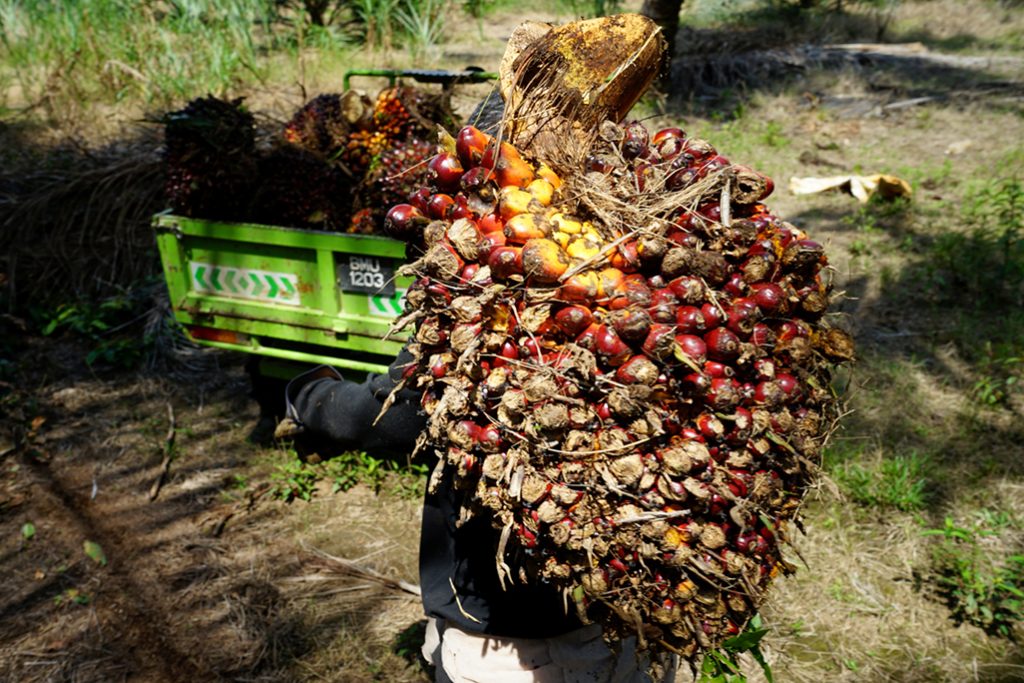
Malaysia is facing an estimated RM1.7 billion loss in annual palm oil export revenue, a direct consequence of a sharp decline in oil palm land owned by smallholders over the last four years. Data from the Malaysian Palm Oil Board (MPOB) reveals that the total area has contracted by 137,133 hectares, shrinking from 955,811 hectares in 2020 to 818,678 hectares in 2024. This reduction is an immense loss of productive land, equivalent in size to over 192,000 football fields. The financial impact is significant, considering that smallholders can produce an average of 15 tonnes of fruit per hectare, which, after being processed into crude palm oil, has a current market value of RM4,171 per tonne. This downturn underscores a critical challenge facing one of Malaysia’s most vital economic sectors.
Land Title Issues Impede Smallholder Support
The core reason for the decline, according to Adzmi Hassan, president of the National Association of Smallholders Malaysia (PKPKM), stems from restrictive land title conditions. Many state governments have been slow to change land or crop statuses, even on agricultural land that has been used for oil palm cultivation for years. This lack of official recognition as dedicated oil palm land has created a major hurdle for smallholders, as they are deemed ineligible for crucial government support and licenses. Specifically, without the proper land classification, these farmers cannot obtain a license from the MPOB to sell and transport their fruit, and they are also excluded from government replanting grants and the vital Malaysian Sustainable Palm Oil (MSPO) certification. As a result, many smallholders are choosing to abandon replanting efforts.
Addressing Broader Challenges and Seeking Solutions
While land title issues are the primary problem, other factors have also contributed to the decline. The PKPKM president pointed out that low fruit prices during the Covid-19 pandemic made oil palm cultivation less viable, prompting some farmers to switch to more profitable crops like durian. Furthermore, persistent labor shortages and the rising costs of plantation management have added significant pressure, especially on Malaysia’s aging smallholder population. Despite these challenges, there is hope for the future. The government’s commitment to allocate RM1.4 billion for the national replanting program is a welcome step. PKPKM is now proposing a more streamlined solution, urging state land administrators to ease the process by allowing oil palm replanting on any land already classified as agricultural to ensure smallholders can easily qualify for the necessary licenses and grants.