Strategic National Sovereignty and Global AI Partners
Malaysia is positioning itself as a premier destination for international technology collaboration, actively seeking out AI partners from both the East and the West to accelerate its digital transformation journey. Prime Minister Datuk Seri Anwar Ibrahim recently emphasized that while the nation remains open to global investment, it will strictly retain control over critical decisions involving data governance and the integration of artificial intelligence within public institutions. This balanced approach ensures that the country welcomes companies that respect local laws and national priorities without surrendering policy sovereignty to foreign entities.
By working with various AI partners, Malaysia aims to build a robust internal capability that allows it to compete with confidence in the global digital economy. The Prime Minister noted that while the technology itself may originate from anywhere in the world, the rules governing its use will be firmly made within the borders of Malaysia. This proactive stance is essential as AI begins to reshape fundamental sectors such as manufacturing and financial systems, making it necessary for the government to move with significant speed.
The establishment of the National AI Office serves as a testament to this commitment, driving a unified agenda across government, industry, and society. By putting in place sound governance now, the nation avoids the high cost of inaction and ensures that the introduction of advanced technologies into the lives of its citizens remains safe, regulated, and aligned with long term national interests. This framework provides a predictable environment for global firms to engage in high value projects while ensuring that the national digital footprint remains secure.
Governing Vulnerabilities Through Collaborative Innovation
A significant pillar of the national strategy involves the development of a comprehensive AI governance framework that addresses the inherent risks associated with advanced digital systems. As Malaysia engages with its AI partners, it is strengthening data protection rules and preparing regulations that are specifically suited to the technologies being currently deployed. The Prime Minister warned that technologies capable of exposing systemic weaknesses cannot be left entirely to those who create them, particularly as sophisticated models begin to reveal vulnerabilities in widely used software.
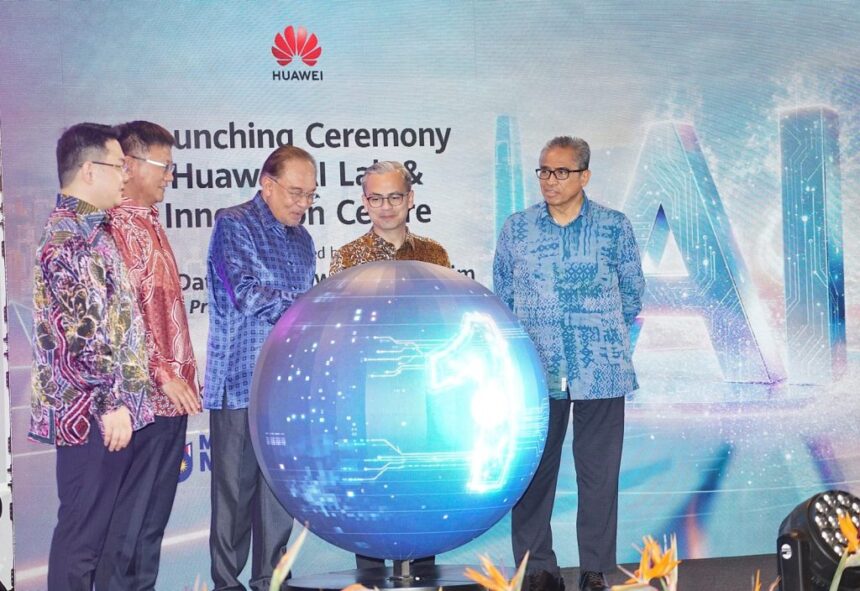
By collaborating with established AI partners like Huawei, which recently launched its AI Lab and Innovation Centre, the government is fostering an environment of shared responsibility and technical exposure. This partnership model is designed to ensure that the window for building sound governance does not narrow to the point of disruption. The strategy also includes a focus on moving up the technology trajectory by supporting training facilities that reflect a real, long term commitment to the country’s development.
Malaysia does not intend to remain merely a consumer of foreign technology but strives to become a significant contributor to the global innovation landscape. This requires a resilient financing structure and a stable regulatory environment that encourages domestic and foreign investors to participate in the burgeoning heartland economy. Through these collaborative efforts, the nation is building a digital ecosystem that is both technologically advanced and socially responsible, providing a stable foundation for future growth.
Ensuring Social Equity In The Madani Digital Era
The final component of the country’s digital transformation is its commitment to remaining rakyat centric and strictly aligned with the Madani principles of equity and social justice. As the government integrates new technologies with the help of various AI partners, it is determined to ensure that adoption does not widen the existing gap between urban and rural communities. Pursuing digital transformation driven merely by material progress would be counterproductive if it leads to the enlargement of social inequities, such as those between the wealthy and the poor.
Shared prosperity must be translated into clear policies and effective action, ensuring that rural schools, clinics, farmers, and petty traders gain meaningful access to digital and AI capabilities. The Prime Minister highlighted that the nation’s greatest resource remains its people, who have learned across generations to build something of lasting worth together. As machines grow more capable, there is a form of human achievement and ethical decision making that the world needs more of, not less.
By working closely with AI partners to provide exposure and facilities, the government is empowering the younger generation to lead this transition with confidence. This inclusive approach ensures that the benefits of the digital economy are felt across all sectors of society, from the heartlands to the major metropolitan hubs. Ultimately, the goal is to create a digital future where technology serves humanity, fostering a prosperous and stable society that remains resilient in the face of an increasingly complex global landscape.
Technological Sovereignty And Market Impact
The strategic positioning of Malaysia as a neutral but sovereign hub for artificial intelligence represents a significant move in the regional economic landscape. We analyze that the government’s refusal to cede decision making power over data governance is a critical measure to protect national economic security and sovereign risk. Maintaining an open system for investment from both Eastern and Western firms allows the nation to avoid the pitfalls of technological decoupling.
We observe that by fostering a diverse ecosystem of tech collaborators, the country is effectively hedging its digital infrastructure against the volatility of global trade tensions. This multi vendor approach not only encourages competitive pricing and innovation but also ensures that no single foreign entity can exert undue influence over the national digital agenda. Furthermore, we anticipate that the focus on the Madani principles will lead to a more balanced distribution of economic benefits, particularly in the burgeoning heartland economy.
We analyze that as AI capabilities are extended to rural clinics and farmers, there will be a measurable increase in agricultural productivity and healthcare efficiency, contributing to long term fiscal stability. The establishment of the National AI Office is a pivotal step toward institutionalizing this growth, providing a clear regulatory roadmap for institutional investors. We conclude that this proactive governance will significantly enhance Malaysia’s appeal as a stable and predictable market for high value digital investments in the 2026 fiscal year.
The regional market impact of Malaysia’s bifurcated engagement strategy creates a unique arbitrage opportunity for high tech manufacturing and specialized data services within the ASEAN corridor. By refusing to align exclusively with any single geopolitical pole, the administration is effectively positioning the local market as a secure testing ground for cross border algorithmic trade and pan regional data centers. We analyze that this policy of non alignment acts as a liquidity magnet, attracting diverse capital flows that seek sanctuary from the tightening tech export controls observed in larger economies.
From a local perspective, the integration of foreign labs with domestic educational institutions is expected to compress the skills gap in the high value services sector. This labor market shift toward tech literacy will likely result in an upward re rating of the national productivity index over the next four quarters. Furthermore, the commitment to sovereign data governance serves as a significant barrier to entry for predatory tech monopolies, thereby protecting local start ups and allowing for a more organic growth of the domestic digital infrastructure.
We observe that the secondary impact of these partnerships will likely manifest in the commercial real estate and energy sectors as demand for localized computing power surges. The growth of these auxiliary industries provides a diversified revenue stream that supports national fiscal health. Ultimately, the decision to maintain strict local rules over foreign technology ensures that the resulting digital wealth is recirculated within the domestic economy rather than being siphoned off as offshore rent. This structural focus on retention and reinvestment is what will differentiate Malaysia’s digital growth from other emerging markets in the coming cycle.