Sustained Tourism Recovery Builds Momentum for VM2026 Campaign
Malaysia continues to record a strong and encouraging momentum in both international and domestic tourism recovery as the entire country strategically prepares for the anticipated Visit Malaysia 2026 (VM2026) campaign, according to the Tourism, Arts and Culture Minister, Datuk Seri Tiong King Sing.
Minister Tiong highlighted the remarkable resilience demonstrated by global tourism, noting that international arrivals worldwide in 2024 had already reached an impressive 99 per cent of pre-pandemic levels.
Furthermore, the United Nations World Tourism Organisation (UNWTO) projects an additional growth of between three and five per cent in 2025, suggesting a continued positive trajectory for the sector.
Despite potential risks stemming from prevalent global economic uncertainties and rising costs of living, Malaysia has effectively positioned itself to reap the considerable benefits of this worldwide recovery.
Last year, the country welcomed a record-breaking 38 million international visitors, which generated substantial tourism receipts totaling RM106.8 billion.
On the domestic front, the activity was equally robust, with Malaysian citizens making 260.1 million trips throughout 2024, contributing RM107.2 billion in spending—a significant increase of 26.3 per cent compared to the previous year.
The Minister delivered these figures during the opening of the Malaysian Association of Tour and Travel Agents (MATTA) Fair, reinforcing that the early success provides a solid foundation for the upcoming VM2026 initiative.
Continuing Growth Trajectory and Strategic Pillars for VM2026
The positive growth trajectory for Malaysia’s tourism sector has continued seamlessly into 2025, providing confidence for the success of the VM2026 campaign, which is being built upon five distinct and critical strategic pillars designed to meet evolving traveler preferences.
The Minister confirmed that in the first half of 2025 alone, Malaysia recorded 20.6 million international arrivals, representing a strong 17.9 per cent increase year-on-year, indicating sustained interest and recovery.
Domestic tourism also showed flourishing activity, with 69.7 million trips registered in the first quarter, equating to an 18.9 per cent growth rate.
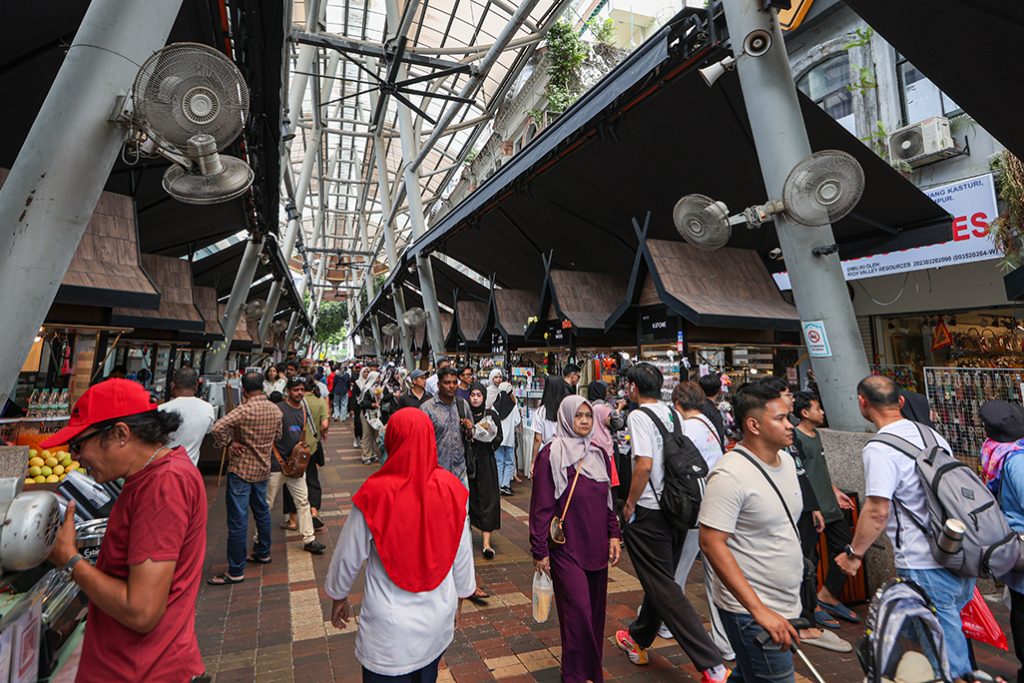
This sustained activity makes it clear that travel has firmly established itself as an integral part of the Malaysian way of life, whether citizens are revisiting familiar destinations or actively discovering the nation’s many hidden gems.
Beyond these encouraging statistical numbers, Minister Tiong stressed the vital importance of ensuring that tourism contributes meaningfully to protecting the environment, empowering local communities, and offering authentic cultural experiences, all in alignment with the Malaysia MADANI vision’s core principles of sustainability, inclusivity, respect, and shared prosperity.
The strategic planning for the VM2026 campaign is anchored on five fundamental pillars: sustainable tourism, cultural and heritage experiences, adventure and nature-based travel, digital innovation, and enhanced global connectivity.
These priorities are carefully chosen to reflect the evolving preferences of modern travelers, who increasingly seek meaningful, authentic, and environmentally conscious experiences when selecting their destinations.
Industry Partnerships and Community Impact of Tourism
Recognizing the crucial role of industry collaboration, the Tourism Minister commended events like the MATTA Fair for strengthening inbound tourism and highlighted the broader economic and community impact of the flourishing domestic travel sector.
Minister Tiong specifically commended the MATTA Fair for its important role in strengthening inbound tourism and actively building essential momentum for the upcoming VM2026 campaign, acknowledging that the event has long served as a premier and authoritative platform for the travel and tourism industry.
The widespread participation of state tourism bodies and key industry players in the fair effectively showcases Malaysia’s diverse array of travel offerings to both international and domestic audiences.
This collective effort also serves to strongly encourage domestic tourism, which is essential for contributing to national economic resilience and local community development.
Domestic tourism spending, which surpassed the international receipts figure in 2024, acts as a vital buffer against external shocks and ensures that tourism benefits are distributed more equitably across all regions of the country.
By focusing on sustainability and empowering local communities— as articulated in the VM2026 strategic pillars—the government aims to ensure that the massive economic benefits of the tourism recovery are shared widely, reinforcing the industry’s role not just as an economic engine, but as a vehicle for national development and social cohesion.