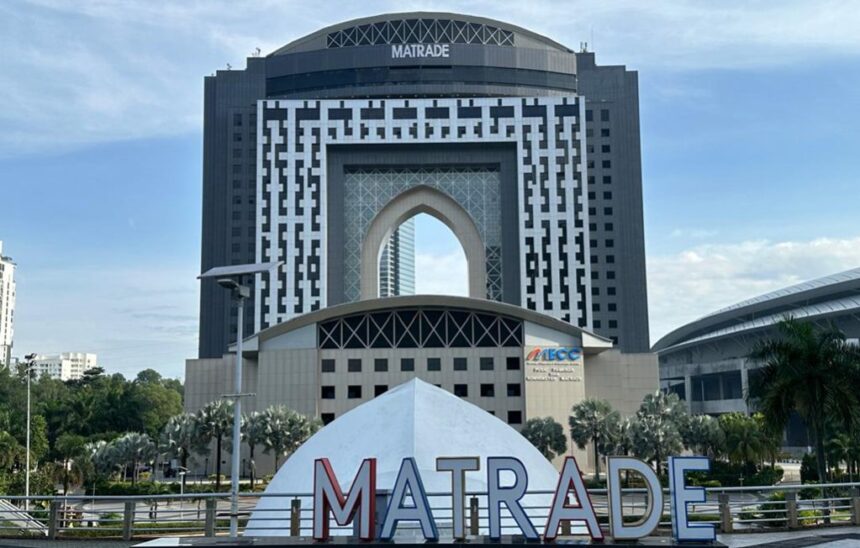
Strategic Market Diversification Driven By MATRADE
The evolving dynamics of international commerce have prompted the Malaysian government to prioritize a more resilient trade framework, with MATRADE leading the charge in diversifying export destinations to mitigate the risks associated with regional geopolitical tensions. Datuk Seri Reezal Merican Naina Merican recently outlined a comprehensive strategy designed to reduce the nation’s reliance on traditional markets that may be subject to instability. By focusing on non conflict areas such as Central Asia and Africa, the organization aims to shield domestic exporters from the volatility seen in other parts of the world.
Currently, exports to West Asia represent only about 2.7% of the total trade volume, suggesting that there is immense potential for growth through these newly identified diversification programs. The initiative is built upon a two pronged approach that emphasizes both geographical expansion and the strengthening of multilateral cooperation. This proactive stance ensures that the Malaysian economy remains adaptable and robust, even when faced with significant external pressures. Through the leadership of MATRADE, the country is identifying low conflict risk regions where trade can flourish.
This strategic pivot is essential for maintaining long term economic stability and ensuring that the national export sector continues to thrive in an increasingly fragmented global marketplace. The strategy involves a meticulous alignment of trade policies with the evolving needs of the global market, ensuring that Malaysia remains at the forefront of the regional supply chain. By providing the necessary infrastructure and regulatory support, the government is securing the country’s economic future by attracting high value industries that prioritize reliability and long term partnership.
Leveraging Free Trade Agreements And Industrial Resilience
The second pillar of the national trade strategy focuses on the effective utilization of Free Trade Agreements to gain broader market access by systematically reducing or eliminating tariff barriers. MATRADE serves as a vital bridge for local enterprises, helping them navigate these complex legal frameworks to take advantage of the opportunities provided by international partners. As many traditional tariff hurdles are dismantled, it is becoming increasingly important for Malaysian businesses to increase their export capacity and explore high growth sectors.
The chairman highlighted that while certain industries like electronics may possess an inherent resilience to global disruptions, others such as the halal food sector remain more vulnerable to shifting consumer demands and logistical bottlenecks. To address these challenges, the corporation is implementing a regain and retain philosophy, which involves identifying markets that can be recovered or stabilized through targeted interventions. This approach is particularly effective in countries where Malaysia currently maintains a small trade deficit, allowing for a more balanced exchange of goods.
By fostering a deep understanding of sectoral vulnerabilities, MATRADE is able to provide tailored guidance to exporters, ensuring they are well equipped to manage the technical aspects of cross border trade. The goal is to create a seamless transition for companies moving into emerging markets, backed by the legal protections and competitive advantages offered by the nation’s various trade pacts. This focus on reliability and legal certainty is a defining competitive advantage for the Malaysian economy as it seeks to position itself as a safe investment destination.
Collaborative Governance And Support For Small Enterprises
Executing a large scale realignment of the national trade architecture requires a whole of government approach that involves seamless coordination across various ministries and agencies. MATRADE is actively collaborating with the Ministry of Entrepreneur and Cooperatives Development to ensure that small and medium sized enterprises are not left behind during this transition. This integrated model of governance is designed to foster stronger synergy and coordination between high level policy makers and ground level stakeholders to ensure a cohesive national strategy.
Engaging with the community through regular sessions allows the government to gather vital feedback on the challenges faced by micro businesses in a challenging global trade environment. These sessions are crucial for aligning domestic manufacturing capabilities with the specific requirements of international buyers in regions like Southeast Asia and beyond. By providing structured support and access to global supply chains, the government is enabling smaller players to participate more actively in the national export agenda and benefit from broader market access.
This collaborative effort ensures that the benefits of market diversification are shared across all levels of the economy, from large industrial conglomerates to local cooperatives. As the global economy continues to shift, the ongoing commitment to engagement and strategic planning will be the deciding factor in Malaysia’s ability to maintain its competitive edge. The focus on social equity and inclusive growth is not just a moral imperative but a strategic one, as a stable and prosperous society provides the best foundation for continued industrial modernization and technological self reliance.
Trade Diversification And Sovereign Risk
The current focus on geographical trade diversification represents a sophisticated evolution in Malaysia’s approach to managing sovereign risk and industrial sustainability. We analyze that by targeting regions like Central Asia and Africa, the government is effectively hedging against the high beta volatility typically associated with established but politically sensitive trade corridors. This strategy reduces the correlation between Malaysia’s export performance and the economic cycles of any single major power.
We observe that the emphasis on Free Trade Agreements acts as a critical mechanism for lowering the cost of entry for domestic firms, thereby improving the nation’s overall current account balance. The ability to pivot toward low conflict risk areas provides a stable foundation for capital investment, as multinational corporations increasingly seek manufacturing bases that are geographically insulated from major geopolitical flashpoints. Furthermore, we anticipate that the whole of government approach will significantly enhance the administrative efficiency of the national export ecosystem.
By synchronizing the efforts of multiple agencies, the government is reducing the regulatory friction that often hampers the growth of SMEs in international markets. We analyze that the focus on the halal industry and food security highlights a strategic move to dominate high growth niche markets where Malaysia possesses a clear comparative advantage. This sector specific resilience is vital for protecting the domestic economy from inflationary pressures related to global food supply chain disruptions and ensures long term fiscal responsibility.
The regional market impact of this diversification strategy is expected to catalyze a structural shift in Malaysia’s trade surplus composition, moving away from a high reliance on traditional manufacturing hubs. We analyze that as MATRADE successfully facilitates entry into the Central Asian market, specifically in the energy and infrastructure sectors, there will be a surge in demand for Malaysian professional services and engineering expertise. This expansion into frontier markets serves as a critical price parity mechanism, allowing local firms to capture higher margins in territories where competition from established global conglomerates is currently lower.
Additionally, the focus on the African continent positions Malaysia to benefit from the long term demographic dividend and rising middle class consumption in that region. We anticipate that this move will drive significant foreign direct investment into Malaysia’s logistics and halal processing hubs, as international firms seek to use the country as a springboard for African trade. This strategic realignment is likely to trigger a re rating of Malaysian logistics and export oriented stocks, as they pivot toward a more geographically balanced and risk mitigated revenue model for the 2026 fiscal year.
Ultimately, the synergy between market diversification and enhanced FTA utilization creates a critical inflection point for Malaysia’s middle income trap mitigation strategy. By fostering a domestic ecosystem that is globally integrated yet geographically diversified, the government is creating high productivity jobs that transition the labor force away from low value manufacturing. We conclude that this proactive management of geopolitical and trade risks will provide a substantial competitive advantage, ensuring that Malaysia remains a central node in the future of the Southeast Asian industrial theater.