Expansion Resilience And Strategic Growth For MGEN
The top leadership at Meralco PowerGen Corp, commonly known as MGEN, remains highly confident that its ambitious target of reaching 10,000 megawatts of total capacity will proceed despite current global uncertainties. By prioritizing energy security and infrastructure stability, MGEN ensures that regional power demands are met while navigating the complexities of international market shifts and currency fluctuations.
Emmanuel Rubio, the president and chief executive officer of the organization, recently addressed concerns regarding potential disruptions stemming from turmoil in the Middle East. While acknowledging that a further weakening of the local currency could lead to higher construction and operational costs, he maintained a steadfast outlook on the development pipeline.
As of the end of the first quarter in 2026, the company already manages a net saleable capacity of 5,069.7 megawatts, which includes a balanced mix of traditional thermal assets and expanding renewable energy sources. The strategic roadmap aims to nearly double this attributable capacity by the year 2030, reinforcing the firm’s position as a dominant force in the national utilities sector.
This aggressive expansion is not merely a goal but a necessity for supporting the industrial and residential growth of the archipelago. By maintaining a cautious yet determined approach, the executive team is ensuring that all projects currently in the development phase are moving forward without delay. The commitment to this 10,000 megawatt milestone reflects a long term vision for fiscal resilience and self sufficiency in a volatile global energy landscape where fossil fuel prices remain unpredictable.
Advancing Solar Infrastructure And Battery Storage Capabilities
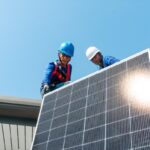
As the primary power generation arm of the utility giant, MGEN has emerged as a significant growth driver, contributing a substantial 5.1 billion pesos to the first quarter profit. A cornerstone of this success is the massive MTerra Solar project, which is designed to generate up to 3,500 megawatts of clean energy across the provinces of Bulacan and Nueva Ecija.
To ensure that this intermittent power source remains reliable for the national grid, the facility is complemented by an extensive 4,500 megawatt hour battery energy storage system. This integration of storage technology allows for better load management and frequency regulation, which are critical for maintaining the stability of the Luzon power supply.
In early 2026, the project began its initial contribution by beefing up the regional capacity with its first 250 megawatts of output. The leadership at MGEN continues to work closely with the National Grid Corp of the Philippines to address technical challenges related to power evacuation and grid volatility.
While the use of large scale battery systems is relatively new in the local context, they have already demonstrated strong grid forming capabilities as demand continues to rise. This collaborative effort between the generator and the grid operator is essential for learning how to manage high volumes of renewable energy without compromising the integrity of the transmission network.
By focusing on these infrastructure based fields, the company is not only providing electricity but also pioneering the technical standards for the next generation of regional energy systems. The focus remains on ensuring that every megawatt generated can be safely and efficiently delivered to the end consumer, regardless of external economic pressures.
Market Impact And Long Term Fiscal Sustainability
The strategic focus on large scale solar and storage projects indicates that MGEN is shifting its portfolio toward a more sustainable and predictable cost structure. By reducing reliance on imported fuels, the organization is effectively hedging against the inflationary pressures and supply chain risks that often accompany geopolitical instability.
The successful allocation of capital toward these massive renewable hubs demonstrates a high level of institutional confidence in the local investment climate. Financial analysts view the 2030 capacity target as a vital component of the national economic recovery plan, as reliable power is the most basic requirement for industrial productivity.
The regional market impact of these developments is profound, as it sets a benchmark for other Southeast Asian nations looking to balance rapid economic growth with environmental commitments. Furthermore, the strong profit contribution from the generation business unit provides the necessary liquidity to fund future phases of the 10,000 megawatt expansion plan without overleveraging the corporate balance sheet.
As the organization matures, the emphasis on transparent monitoring and efficient resource allocation will likely lead to more stable utility rates for the public, protecting the purchasing power of the population from the most extreme energy shocks. The decision to move forward with all pipeline projects despite currency headwinds suggests that the internal rate of return for these facilities remains attractive enough to justify the current capital expenditure.
Ultimately, the commitment to building a resilient and diverse energy infrastructure is a proactive step toward securing long term national prosperity and ensuring that the country remains a competitive destination for international manufacturing and digital services in the decade ahead.
Strategic Analysis Of Energy Capacity And Grid Integration
The trajectory of MGEN represents a critical evolution in the regional utility landscape where the primary challenge is no longer just generation but sophisticated grid integration. The 5.1 billion pesos profit recorded in the first quarter of 2026 provides a robust fiscal cushion that allows the company to absorb the increased costs of imported components due to the weakening peso.
This financial strength is essential for maintaining the momentum of the MTerra Solar project, which serves as a flagship for large scale renewable energy transitions in the ASEAN region. The integration of 4,500 megawatt hours of battery energy storage is particularly significant, as it addresses the inherent intermittency of solar power, which has historically been a major deterrent for grid operators.
By providing grid forming capabilities, these storage assets act as a virtual power plant, offering the frequency response and voltage control typically provided by massive rotating turbines in coal or gas plants. The regional market impact of achieving a 10,000 megawatt capacity cannot be understated, as it creates a scale of operations that allows for significant procurement efficiencies and technological standardization.
As the national grid becomes more saturated with renewable sources, the technical expertise gained by MGEN in managing these complex systems will likely become a valuable intellectual export within the broader trade bloc. We project that the successful evacuation of power from the initial phases of the MTerra facility will serve as a proof of concept that encourages further institutional investment into the Philippine energy sector.
Furthermore, the commitment to traditional and renewable sources ensures a diversified energy mix that protects the industrial base from localized fuel shortages. By focusing on infrastructure based fields rather than speculative energy trading, the administration is cementing its position as a reliable provider of the basic commercial needs required for national development.
This disciplined approach to capacity expansion and fiscal management ensures that the power sector remains a pillar of macroeconomic stability even during periods of global geopolitical volatility. As the regional market continues to mature, the focus on shared monitoring systems and transparent capacity targets will likely lead to more efficient resource allocation, ensuring that the Southeast Asian community remains insulated from the most extreme energy shocks.