Strategic Energy Alliances and the Role of Novatek in Vietnam
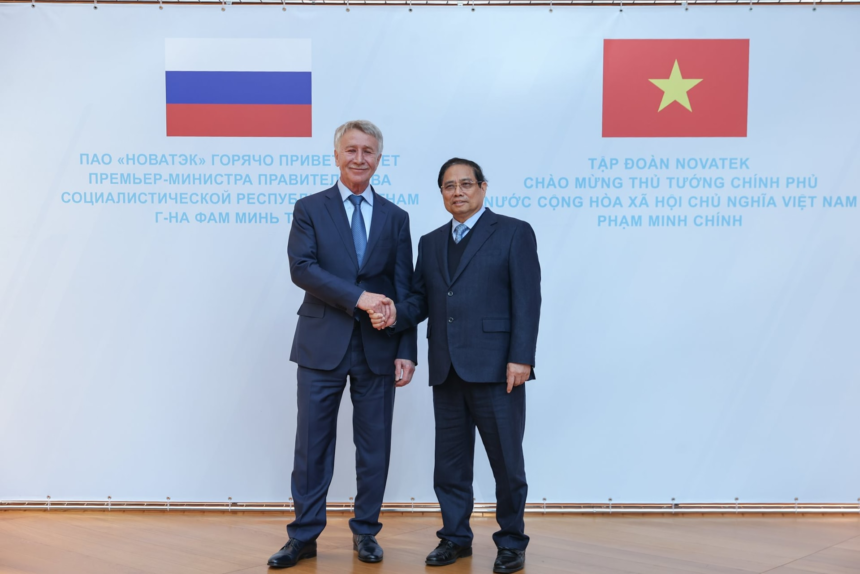
As Vietnam rapidly accelerates its efforts to secure a sustainable energy future for its booming industrial economy, the prominent Russian energy giant Novatek has emerged as a pivotal partner in this strategic transformation. During a high-level diplomatic mission to Russia on March 23, 2026, Prime Minister Pham Minh Chinh met with the leadership of the corporation to discuss a significant expansion of liquefied natural gas cooperation. The chairman of the firm, Leonid Viktorovich Mikhelson, articulated a clear ambition to deepen investment footprints within the Southeast Asian nation, citing the country’s status as one of the world’s fastest-growing economies.
This burgeoning partnership is built upon a foundation of a comprehensive strategic alliance and over fifty years of bilateral cooperation that has historically defined the energy landscape of the region. By integrating advanced Russian extraction and processing capabilities with the rising energy demands of the Vietnamese market, both nations aim to create a resilient supply chain that can withstand global volatility. The focus on liquefied natural gas is particularly timely, as the transition toward cleaner burning fuels becomes a central pillar of national development.
As the seventh largest publicly traded natural gas producer globally, the group brings a wealth of technical expertise and proprietary technologies that are essential for developing the sophisticated infrastructure required for large-scale imports. This collaboration is expected to catalyze the modernization of the local power sector, ensuring that the industrial zones driving the country’s export growth have access to stable and affordable fuel sources for decades to come.
Infrastructure Development and Integrated Supply Chain Resilience
The technical scope of the proposed cooperation extends far beyond simple commodity trade, focusing heavily on the construction of essential liquefied natural gas port infrastructure and power plants. Prime Minister Chinh emphasized that the operations of Novatek align perfectly with the strategic direction of the state, especially regarding the diversification of energy sources and the adoption of innovation to restructure the national grid. One of the most significant ventures currently under consideration is the Ca Na project, where the Russian producer intends to collaborate with established partners like Zarubezhneft to tap into the fast-growing gas market.
This integrated approach involves not only the supply of fuel but also the development of massive storage facilities that will act as a strategic reserve for the nation. By working closely with state-owned giants such as Petrovietnam and Vietnam Electricity, the partnership seeks to create a multimodal energy network that connects international production with local consumption hubs. The group’s experience in implementing large-scale Arctic ventures provides a unique blueprint for tackling the logistical challenges of building high-capacity terminals in coastal regions.
Furthermore, the commitment to technology transfer and human resource training ensures that the local workforce will gain the necessary skills to manage these complex systems independently in the future. This move toward self-sufficiency through international collaboration is a hallmark of the current administration’s policy, which seeks to balance foreign direct investment with the long-term goal of national energy security. Amidst a rapidly changing global geopolitical situation, establishing such robust and diversified supply chains is vital for maintaining economic stability and protecting the interests of retail and industrial consumers alike.
Geopolitical Synergy and the Future of Vietnam Russia Relations
The deepening of energy ties between these two nations serves as a highlight of a relationship that has evolved through decades of mutual support and shared developmental goals. Prime Minister Chinh expressed deep appreciation for the historical role of Russian investment in advancing the domestic oil and gas sector, particularly in helping Petrovietnam evolve into a competitive multinational corporation. Energy cooperation remains a key pillar of the comprehensive strategic partnership, with the strengths of Novatek in production and processing complementing the specific infrastructure needs of the growing Vietnamese economy.
The Prime Minister’s call for the company to collaborate with local authorities and private sector players signals an open-door policy for high-quality energy ventures that prioritize safety, efficiency, and environmental standards. As the world shifts toward a green transition, the role of natural gas as a bridge fuel becomes increasingly important, and the stable supply of liquefied natural gas from reliable partners is essential for meeting climate targets without sacrificing economic growth. The ongoing discussions also hint at potential upstream development ventures, where shared expertise in exploration could unlock new offshore resources within the region.
By fostering an environment of science-led innovation, the two countries are working to transform the energy sector into a high-tech industry that contributes significantly to the national GDP. The commitment from Novatek to provide a stable and long-term supply of fuel will allow the government to plan its industrial expansion with greater precision, reducing the risk of power shortages that have occasionally hindered productivity. As this partnership matures, it is likely to serve as a model for other ASEAN nations looking to balance traditional energy alliances with the modern requirements of a sustainable and technologically advanced energy mix.
Institutional Re-Rating and the Strategic Valuation of Energy Infrastructure
The 2026 strategic alignment between the Vietnamese government and Novatek represents a critical inflection point in the regional energy landscape, signaling a transition toward a high-transparency institutional investment model. We analyze that the focus on integrated port and power infrastructure is not merely a logistical necessity but a structural effort to align the national energy backbone with global benchmarks for supply chain resilience. From a professional financial perspective, the involvement of a top-tier producer provides a layer of institutional credibility that is essential for attracting the large-scale, long-term capital required for such massive infrastructure expenditures.
Furthermore, we project that the current focus on developing large-scale storage and regasification facilities will act as a localized catalyst for a re-valuation of the domestic utility and logistics sectors. For institutional investors, the successful execution of these high-level energy mandates provides a unique entry point into the Vietnamese growth narrative, as it proves the efficacy of the comprehensive strategic partnership in de-risking complex infrastructure projects. We observe that the market is already beginning to price in a stability factor for industries dependent on consistent power, such as semiconductor manufacturing and heavy electronics, proving that the institutional framework of the national energy policy has reached a level of sophistication that is highly attractive to global funds.
The long-term impact on the regional market will manifest as a structural stabilization of the national energy cost curve, as standardized supply agreements and improved infrastructure reduce the friction costs associated with energy volatility. This transition toward a more predictable development model reduces the concentration of operational risk for both state-owned enterprises and private manufacturers. As corporate governance in the energy sector is strengthened through international technical standards and technology transfer, we expect a narrowing of the risk premium for assets related to liquefied natural gas terminals. The proactive financial and operational stance observed in this 2026 engagement sets a new regional standard for how a developing economy can transform global energy partnerships into localized institutional stability and sustainable long-term economic prosperity.