The Impact Of Global Volatility On National Energy Imports
The Philippine economy is currently facing a significant challenge as the rising cost of oil threatens to widen the national current account deficit to over 5% of the total gross domestic product. According to recent insights from Capital Economics, the ongoing instability in the Middle East has created a precarious environment for emerging markets that rely heavily on imported fuel. Deputy chief emerging markets economist Jason Tuvey highlighted that higher global energy prices are not just a logistical hurdle but a direct threat to the country’s balance of payments.
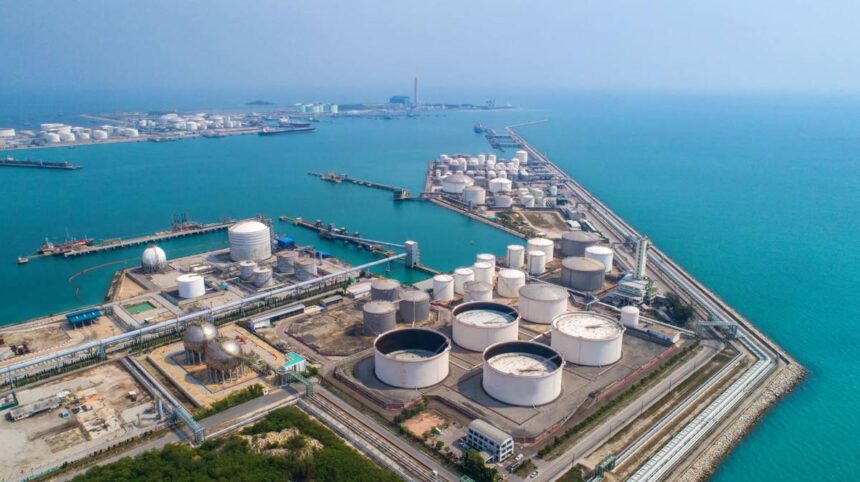
This is particularly concerning given that the Philippines remains structurally dependent on external sources, importing approximately 98% of its crude requirements and refined petroleum products to power its industrial and transport sectors. In 2024, net energy imports already accounted for a substantial 4.2% of the total economic output, leaving very little margin for error when global prices spike. A current account deficit occurs when the total payments for imported goods and services exceed the receipts generated from exports, and the current trajectory suggests a widening gap that could reach $20.3 billion this year.
This fiscal strain is exacerbated by the fact that the majority of these imports are sourced from regions currently experiencing heightened geopolitical friction. As the cost of shipping and insurance for fuel tankers increases, the domestic market must brace for a period of sustained high costs that will inevitably filter through to the consumer level, impacting everything from electricity rates to the price of basic commodities in the local supermarket. The synergy between international energy benchmarks and local inflation is now more pronounced than ever before.
Remittance Risks And The Narrow Path For Monetary Policy
Beyond the immediate impact of high oil prices on the trade balance, the Philippine financial landscape faces a secondary threat related to the economic health of the Middle East. Many overseas Filipino workers are stationed in oil-producing nations, and any regional economic slowdown could lead to a cooling of the vital remittance flows that support millions of households back home. In 2024, money transfers from this specific region amounted to roughly 0.8% of the national GDP, acting as a critical stabilizer for domestic consumption.
If these flows are dampened by regional instability, the double blow of higher import costs and lower foreign currency inflows could push the economy into a difficult contractionary phase. Furthermore, the surge in fuel costs is projected to lift headline inflation by approximately 0.8 percentage points in the coming months, potentially pushing the inflation rate beyond the central bank’s upper target of 4.0%. Despite these inflationary pressures, analysts believe the Bangko Sentral ng Pilipinas will prioritize supporting economic growth over aggressive interest rate hikes.
The current policy rate remains unchanged at 4.25%, with officials signaling that they will monitor the situation closely before taking off-cycle actions. This cautious approach reflects a broader concern that the economic momentum had already begun to weaken toward the end of 2025, even before the most recent energy shocks. Balancing the need for price stability with the necessity of maintaining industrial output will be the defining task for policymakers as they navigate this era of extreme commodity volatility and shifting global trade alliances.
Growth Projections And The Industrial Shift Toward Efficiency
The long-term outlook for the Philippine economy has been revised downward as the persistent high cost of oil continues to weigh on the manufacturing and logistics sectors. Earlier forecasts of a 4.5% growth rate have been adjusted to a more conservative 3.8% for the full year, reflecting the reality of a global market where energy security is no longer guaranteed. This slowdown is a direct result of the increased operational expenses faced by local firms, many of whom are struggling to pass on rising costs to a price-sensitive consumer base.
However, this period of crisis is also acting as a catalyst for a forced adaptation within the industrial landscape, as businesses seek to optimize their energy efficiency and explore alternative power sources to mitigate their exposure to global price swings. The central bank’s stance suggests that global energy prices would have to rise significantly further, and severe balance of payments strains would need to emerge, before a definitive shift toward a hawkish interest rate environment occurs.
For investors in the B.I.F.E. sector, the primary focus is now on identifying resilient industries that can maintain their profit margins despite the inflationary environment. The winners in this new landscape will be the companies that can innovate their supply chains and reduce their reliance on traditional fuel sources. While the current account shortfall is expected to persist through 2027, the underlying strength of the Philippine services sector and the potential for a recovery in tourism provide some hope for a gradual stabilization.
Macroeconomic Analysis Of External Sector Vulnerabilities
The intersection of structural energy dependency and geopolitical risk has created a unique set of challenges for the Philippine economy in the 2026 fiscal year. From a professional analytical perspective, the projected spike in the current account deficit to 5% of GDP is a clear indicator that the nation’s margin for error regarding oil imports has reached a critical threshold. We analyze that the high degree of reliance on a single geographic region for nearly all crude requirements has created a permanent geopolitical premium on the local currency.
This premium is not just a theoretical risk but a tangible cost that is currently eroding the purchasing power of the middle class and increasing the sovereign debt servicing requirements. The strategic decision by the Bangko Sentral ng Pilipinas to maintain the current interest rate reflects a sophisticated understanding that the current inflation is supply-driven rather than demand-driven. Raising rates prematurely could stifle the already fragile growth momentum without effectively addressing the root cause of rising prices.
Furthermore, the potential decline in remittances from the Middle East represents a significant risk to the social safety net that has traditionally underpinned the domestic consumption model. We project that if energy prices remain elevated above $95 per barrel for more than two consecutive quarters, the structural transition toward renewable energy and liquefied natural gas infrastructure will move from a long-term goal to an immediate economic necessity. The resilience of the Philippine industrial sector will depend on its ability to decouple productivity from fossil fuel consumption while maintaining its competitive edge in the global service economy.