Geopolitical Tensions And Production Quotas For OPEC+ Members
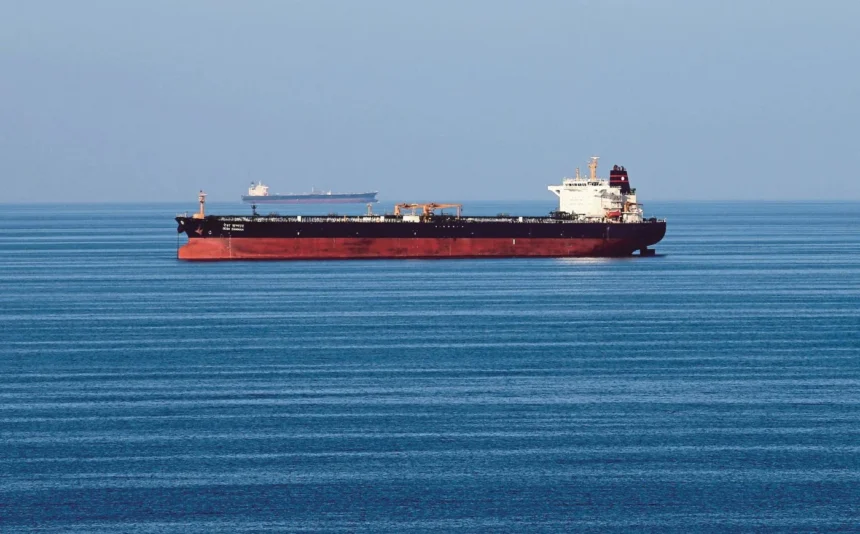
The global energy market is currently facing an unprecedented crisis as OPEC+ prepares to discuss potential oil output increases during their upcoming Sunday meeting. Despite the group considering an approval for higher production levels, the ongoing US-Israeli war with Iran has rendered such a move largely symbolic or existing only on paper for the time being. The conflict has effectively paralyzed the Strait of Hormuz, which stands as the world’s most critical oil transit corridor, since late February of 2026. This maritime closure has severely restricted exports from key member states including Saudi Arabia, the United Arab Emirates, Kuwait, and Iraq.
These four nations were historically the only participants within the group capable of significantly scaling their production capacity before the hostilities began. Now, with the primary export route blocked, the collective influence of the organization is being tested by geopolitical forces beyond its immediate control. Industry watchers are looking toward the Sunday session to see if the leadership will formally adjust the quotas for May, even if the physical delivery of crude remains an impossibility. The soaring prices of Brent crude reflect the deep anxiety among traders who realize that a paper increase in supply cannot offset the physical absence of barrels in the global market.
As the war enters a more intense phase, the ability of the group to maintain its role as a stabilizer of global energy prices is under significant scrutiny. The coordination between Moscow and London remains vital, yet the physical constraints of destroyed infrastructure and blocked waterways suggest that market forces are currently overriding policy mandates. This period of extreme volatility underscores the fragile nature of global energy security when concentrated in a single, conflict-prone geographical region.
Infrastructure Damage And The Reality Of Supply Chain Disruptions
While the administrative decisions of OPEC+ aim to signal a readiness to supply the world, the physical reality on the ground presents a far more somber picture of damaged infrastructure. In addition to the naval blockade, missile and drone attacks within the Gulf region have inflicted severe damage on essential processing facilities and export terminals. Several Gulf officials have recently noted that even if the war were to conclude immediately and the Strait of Hormuz were to reopen, it would take several months to resume normal operations.
This delay is due to the technical complexity of repairing high-pressure pipelines and storage tanks that have been targeted during the recent escalations. Furthermore, other members of the alliance, most notably Russia, are facing their own set of constraints. Western sanctions and persistent damage to energy infrastructure from the conflict in Ukraine have left these nations unable to contribute to any proposed output hike. The cumulative effect of these multi-regional conflicts has resulted in the largest oil supply disruption in recorded history, with estimates suggesting that between 12 million and 15 million barrels per day have been removed from the market.
This represents nearly 15% of the total global supply, a deficit that has pushed crude prices toward a four-year high. Market analysts suggest that without a clear path toward de-escalation, the academic nature of these production quotas will continue to leave the global economy vulnerable to extreme price volatility. The logistical nightmare of repairing deep-water terminals and clearing mines from shipping lanes means that the recovery of the global supply chain will be a multi-year endeavor rather than a quick seasonal fix.
Macroeconomic Projections And The Future Of Global Energy Pricing
The financial implications of the current standoff are profound, with major investment banks like JPMorgan warning that oil prices could spike above the all-time high of 150 dollars per barrel. Such a scenario becomes increasingly likely if the flows through the vital Middle Eastern waterways remain disrupted into mid-May of 2026. In this context, any move by OPEC+ to increase paper quotas serves more as a diplomatic gesture than a functional economic remedy. Experts at consultancy firms have labeled these potential increases as academic, given that the physical constraints of the war override any policy adjustments.
During the last meeting held on March 1, the group had agreed to a modest boost of 206,000 barrels per day for April, but that volume has been completely eclipsed by the scale of the current outages. The upcoming Sunday meeting is intended to establish the framework for May, yet the primary focus for most attendees will be the logistical nightmare of regional security rather than simple quota math. The prolonged high-price environment threatens to trigger inflationary pressures that could stall the post-conflict recovery in both developed and emerging markets.
The ability of the alliance to navigate these turbulent waters will depend on its capacity to coordinate with international maritime security forces and ensure that once a ceasefire is reached, the technical hurdles to restarting production can be cleared with maximum speed and efficiency. Central banks worldwide are already preparing for a secondary wave of inflation, which may require further interest rate hikes, potentially cooling global GDP growth in the latter half of the year.
Regional Market Impact And Strategic Energy Reconfiguration
The paralysis of Middle Eastern crude flows represents a tectonic shift for the ASEAN energy landscape, forcing a rapid and expensive pivot toward alternative suppliers and energy sources. From a professional analytical perspective, we observe that major regional economies like Singapore and Vietnam are now facing a severe double-hit of high input costs and supply chain delays. Since regional refineries are often configured for specific Middle Eastern grades, the sudden disappearance of 15% of global supply has triggered a desperate scramble for West African and North American barrels, which carry significantly higher freight premiums in the current 2026 maritime environment.
We analyze that the industrial sector in Southeast Asia will likely experience a cooling period as high electricity and fuel costs erode the competitive margins of energy-intensive manufacturing. This is particularly critical for the electronics and textile hubs that drive the regional export economy. We project that the persistent disruption of the Strait of Hormuz will lead to a permanent acceleration of the regional shift toward renewable energy and nuclear power as a matter of national security. The risk of relying on a single transit corridor has now transitioned from a theoretical concern to a direct threat to the fiscal stability of the entire ASEAN trading bloc.
Furthermore, the domestic markets in Indonesia and Thailand are likely to see increased pressure on government budgets as the cost of maintaining fuel subsidies becomes unsustainable at 120 dollars per barrel. This could lead to forced fiscal tightening or a painful pass-through of costs to the consumer, potentially impacting retail consumption patterns. The synergy between regional energy security and geopolitical stability has been fundamentally broken, and the current OPEC+ paper increases will do little to stabilize local currencies against a surging US dollar. Institutional investors are expected to shift capital toward energy-efficient infrastructure and localized power generation, marking the beginning of a more fragmented and defensive era.