Prioritizing Emergency Electricity Infrastructure Support Through PLN
The Indonesian state electricity utility known as PLN has officially confirmed its readiness to support the massive construction of fifteen thousand temporary housing units across Sumatra following devastating natural disasters. As part of a broader national recovery strategy, the company is focusing on ensuring that families displaced by recent floods and landslides can transition into safe and dignified living environments as quickly as possible. This initiative is a critical component of the regional rehabilitation plan, as energy access is the primary catalyst for all other recovery activities.
President Director Darmawan Prasodjo noted that the provision of electricity is being treated with the same level of urgency as clean water and basic health services within these new residential clusters. By aligning its operational technicalities with direct government mandates, the utility aims to eliminate any delays in home occupancy by having the power grid ready the moment a physical structure is completed. This ensures that the transition for displaced citizens is not hindered by administrative or logistical bottlenecks in the energy sector.
This proactive stance reflects a deeper institutional commitment to humanitarian relief and the stabilization of regions currently undergoing intense post-disaster rehabilitation. The integration of electrical services into the early phases of construction represents a shift toward more holistic disaster management where basic utilities are no longer treated as secondary concerns. By prioritizing the grid layout alongside the physical housing footprint, the state is demonstrating a modernized approach to rapid response that values human dignity and speed.
Technical Readiness And Implementation At The Aceh Tamiang Pilot Site
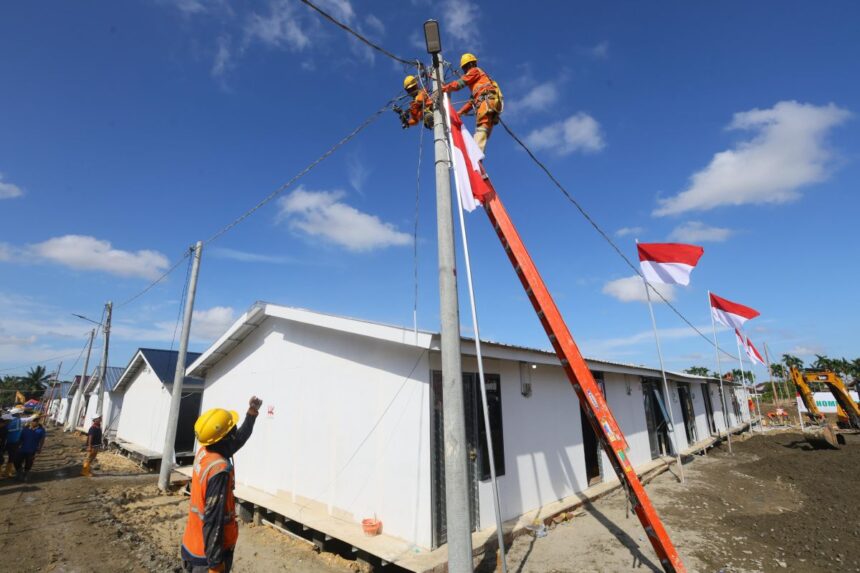
A significant milestone in this large scale housing initiative is the near completion of the pilot project in Aceh Tamiang where six hundred units are set for handover. To meet the specific energy demands of this location, PLN has successfully installed a comprehensive network of transformers and distribution lines that are capable of supporting both individual household needs and essential public facilities. This localized grid is engineered to be robust enough to handle the immediate surge in demand as hundreds of families move in simultaneously.
Every single temporary home is equipped with its own electricity meter to allow for transparent usage monitoring while communal areas like kitchens and shared lighting systems have been fully energized and tested for safety. The infrastructure is designed to provide residents with more than just light; it is the foundation for resuming daily routines such as cooking, studying, and maintaining communication with family members. These meters also help the utility manage the load profile of the temporary settlement, ensuring that the local distribution transformer does not become overloaded during peak hours.
Stable power is seen as a psychological necessity that helps restore a sense of security for those who have lost their permanent residences and belongings in the wake of the floods. Engineers and field technicians have worked under challenging environmental conditions, including mud and disrupted access roads, to ensure that the transition from emergency shelter to these temporary homes is as seamless as possible. The completion of the Aceh Tamiang site serves as a proof of concept for the remaining fourteen thousand four hundred units planned across the rest of the Sumatra region.
Strategic Collaboration For Long Term Regional Social Recovery
The successful rollout of power to these thousands of housing units is the result of intensive collaboration between various state owned enterprises and government task forces. Senior officials recently inspected the progress in North Sumatra to verify that the electrical infrastructure is resilient enough to withstand potential future weather events while providing consistent service to displaced populations. This cross-departmental synergy is vital for ensuring that the housing clusters are not isolated islands but are instead integrated into the existing regional development framework.
This effort is part of a multi billion dollar recovery budget aimed at rebuilding the social fabric and economic vitality of the northern Sumatran provinces. By ensuring that every temporary housing site is a fully functioning micro community with reliable electricity, the government is providing a platform for small scale local entrepreneurship and education to continue despite the displacement. Electricity allows for the operation of small tools, refrigeration for food vendors, and the charging of devices necessary for remote learning and professional coordination among the survivors.
The commitment to restoring comfort through dependable energy reflects a broader vision where state resources are deployed rapidly to mitigate human suffering and facilitate the return to normalcy. As the first phase of houses prepares for official occupancy, the successful integration of utility services serves as a benchmark for subsequent recovery projects across the entire Indonesian archipelago. This unified approach demonstrates that effective disaster response requires the synchronized movement of logistical, financial, and technical resources to protect the most vulnerable citizens during their time of greatest need.
In-Depth Analysis Of The Regional Energy Market And Disaster Resilience Impact
From a professional financial and analytical perspective, the large scale deployment of electricity infrastructure to disaster hit areas represents a significant operational undertaking with long term implications for the regional energy market. We observe that the mandate for PLN to provide rapid, reliable power to fifteen thousand units serves as a live stress test for the utility’s supply chain and field mobilization capabilities. This operation requires a massive diversion of technical assets and personnel, which could temporarily impact the maintenance schedules of non-affected regions, highlighting the need for a dedicated emergency response reserve.
The fiscal impact of these emergency installations is likely to be absorbed through specialized government recovery funds, yet the long term maintenance of decentralized temporary grids could pose a unique challenge to regional operational expenditures. If these temporary settlements remain in place for longer than anticipated, they may require more permanent infrastructure upgrades to prevent system inefficiencies. This initiative underscores the critical role of state owned utilities in maintaining social stability, which is a key factor for investors assessing sovereign risk and the overall reliability of the Indonesian infrastructure sector in a changing climate.
Furthermore, the integration of individual metering and standardized distribution networks in temporary settlements indicates a move toward formalizing energy access even in transitional housing contexts. This prevents the emergence of informal and unsafe electrical taps which often plague disaster recovery zones and lead to significant commercial losses through non technical leakages and safety hazards. By providing a legal and metered connection, the state is effectively integrating these displaced populations back into the formal economy, which is essential for the long term financial health of the utility provider.
Analysts suggest that the regional economic multiplier effect of providing stable power to these clusters will be substantial, as it allows for the immediate resumption of home based industries and prevents a prolonged stagnation of local labor markets. The synchronization between the Ministry of Housing and the energy sector provides a template for future urban planning and disaster mitigation strategies across Southeast Asia. As climate change increases the frequency of extreme weather events, the ability to rapidly deploy modular and reliable energy systems will become a defining characteristic of resilient and successful emerging economies.
Ultimately, the successful execution of this project will enhance the utility’s reputation for crisis management, which is an increasingly important metric in the era of climate driven volatility and regional economic integration. By securing the energy frontier in devastated areas, the state effectively protects the underlying economic potential of the Sumatra region and maintains investor confidence in national infrastructure. This commitment ensures that even in the face of natural disasters, the fundamental building blocks of modern life and economic activity remain available to all citizens, fostering a more inclusive and resilient national recovery.