




Navigating New Global Trade Realities And The Tariff Challenge
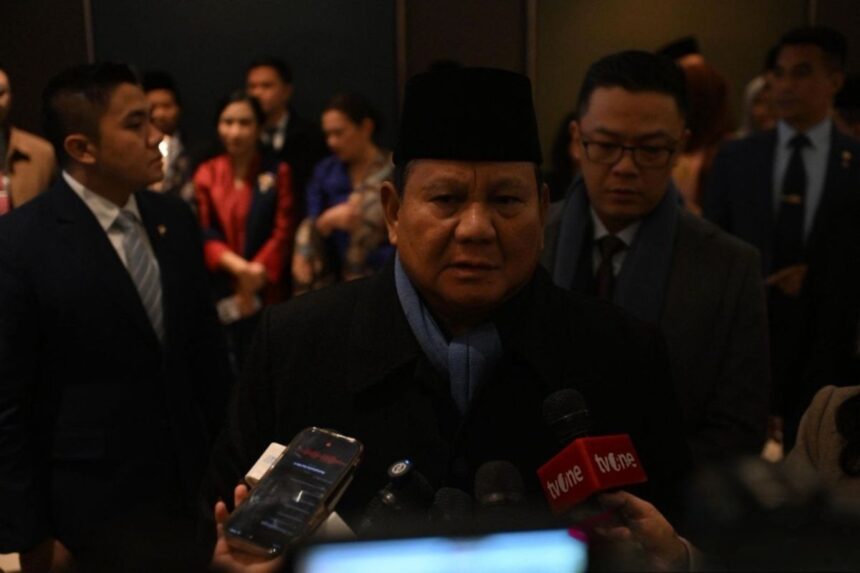
President Prabowo Subianto has officially affirmed that Indonesia is well-prepared for significant shifts in American trade policies after a recent Supreme Court ruling addressed the executive authority to implement a broad global tariff. This high-level statement was delivered in Washington following a landmark judicial decision that restricted the use of the International Emergency Economic Powers Act for imposing widespread import duties.
The President emphasized that while Jakarta respects the domestic political and legal processes of the United States, the Indonesian administration has already developed robust contingency plans to safeguard its economic interests. The recent announcement of a new 10% baseline for imports is seen as a manageable development compared to earlier, more aggressive proposals.
By maintaining a professional and diplomatic tone, the Indonesian leadership is signaling to international markets that the country remains a reliable and adaptable partner even as protectionist sentiments rise in major economies. The government is currently analyzing how this revised tariff structure will be applied to specific industrial sectors, ensuring that local exporters are not blindsided by sudden regulatory changes.
Diplomatic Success And Sectoral Protection Strategies
The current optimism expressed by the Indonesian government is rooted in a series of successful diplomatic negotiations that occurred well before the most recent court intervention in Washington. Initially, there were concerns that Indonesian goods could face a substantial tariff exposure as high as 32%, which would have had a devastating impact on the competitiveness of local manufacturers.
Through diligent bilateral engagement and technical discussions, officials managed to lower that potential exposure to 19% before the new 10% baseline was eventually established. This reduction represents a significant victory for Indonesian trade diplomacy and provides a much-needed cushion for the nations critical commodities. Coordinating Minister for Economic Affairs Airlangga Hartarto has clarified that existing trade agreements are designed to be resilient.
To further protect the national interest, Jakarta is aggressively pursuing 0% tariff requests for a wide range of essential products, including electronics, textiles, and high-demand agricultural goods like coffee and cocoa. The government is also working to ensure that crude palm oil remains protected under separate executive frameworks that recognize its vital role in global supply chains. This targeted strategy ensures that the most vulnerable sectors of the economy can continue to flourish.
Future Outlook And The 60 Day Policy Finalization Window
As the global financial community monitors the aftermath of the American judicial ruling, Indonesia is focusing its efforts on a critical 60 day window during which U.S. authorities are expected to finalize their import policies. This period is vital for established trade partners to negotiate the finer details of how the new tariff will be implemented and which specific exemptions will remain in place.
President Prabowo has reiterated that Indonesia remains prepared for any eventuality, viewing the current transition as a net positive given the initial threats of much higher barriers. The government’s confidence is bolstered by the technical strength of its economic team, which is working around the clock to align domestic production standards with new international requirements. By securing the interests of local producers, the administration is laying the groundwork for long-term economic sovereignty.
The focus is not just on reacting to external shocks but on actively participating in the creation of a more equitable trade system that recognizes the developmental needs of emerging markets. As these policies are finalized, the synergy between Indonesian diplomatic agility and its diverse export portfolio will be the primary driver of national prosperity. Ultimately, the ability to navigate the complexities of a 10% tariff while maintaining high growth rates will demonstrate the maturity of the Indonesian economy.
Trade Policy Resilience And Sovereign Strategy
The recent pronouncements from the Indonesian executive branch regarding the adjusted American import duties represent a sophisticated exercise in sovereign risk management and strategic positioning. From a professional financial analyst’s perspective, the successful reduction of potential exposure from 32% to a 10% tariff baseline is an extraordinary achievement that significantly improves the net present value of Indonesian export-oriented enterprises.
We observe that this 22% reduction acts as a significant de-risking event for the manufacturing and agricultural sectors, essentially serving as a massive indirect subsidy for domestic producers compared to the original worst-case scenario. The ability of the Indonesian diplomatic corps to secure these concessions before the judicial intervention in Washington suggests a high level of institutional competence. This maturity is expected to lead to a re-rating of Indonesian sovereign debt as the markets recognize the country’s enhanced resilience.
On a regional basis, Indonesias proactive engagement creates a competitive advantage over other emerging markets that may not have been as effective in their bilateral negotiations. The focus on zero-rated status for critical commodities like electronics and textiles is particularly strategic, as these sectors are characterized by thin margins and high price sensitivity. If Jakarta successfully secures these exemptions, we anticipate a significant reallocation of regional supply chain capital toward Indonesian industrial zones.
Multinational corporations seek the most cost-efficient pathways into the North American market, and this influx of foreign direct investment would likely provide a substantial tailwind for the rupiah and local equity markets through the 2026 fiscal year. Furthermore, the decoupling of bilateral agreements from broad executive actions provides a level of legal certainty that is highly valued by institutional investors. The synergy between Indonesias diverse resource base and its sophisticated trade diplomacy makes it a primary architect of the new trade environment.
Looking ahead, the next 60 day window will be a defining period for the Indonesian trade balance. If the administration can maintain its current trajectory of diplomatic wins, the net positive outlook described by the President will likely materialize in the form of expanded trade volumes and improved corporate earnings across the export sector. The nation is no longer just a passive participant in global commerce but a strategic actor capable of shaping the terms of its own economic future. This proactive stance ensures that the domestic manufacturing base remains shielded from the most volatile effects of global protectionist shifts.


