Targeting Youth for Cross-Border QRIS Adoption
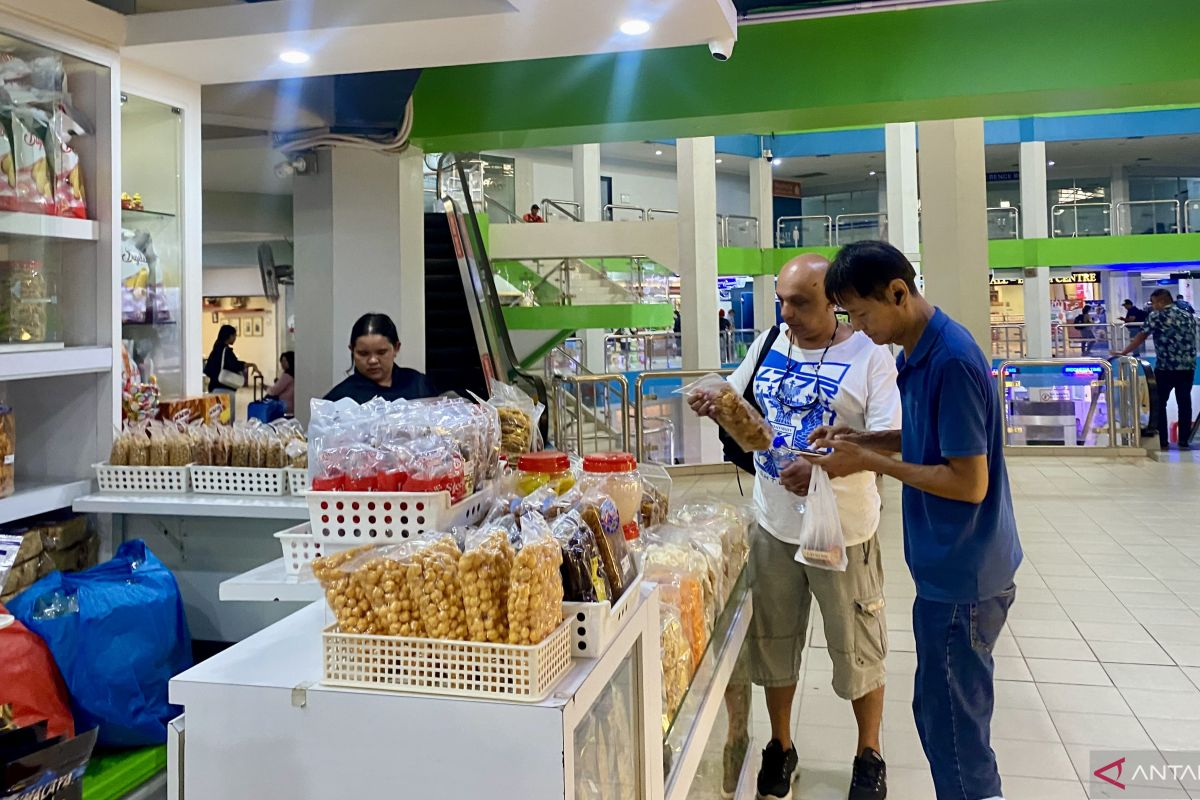
To effectively increase the adoption of the Quick Response Code Indonesian Standard (QRIS) for cross-border transactions, the campaign should be strategically focused on targeting younger demographics who are already well-acquainted with digital payment systems. This approach is particularly relevant in the Riau Islands, a key entry point for tourists from Singapore and Malaysia, especially on weekends when a significant influx of travelers occurs. The growing preference for cashless transactions among international visitors, notably in Batam City due to its close proximity to these neighboring countries, underscores the urgency of promoting QRIS usage to their younger generations. Observations at the bustling Batam Center Ferry Terminal reveal that QRIS is already a common method for commercial transactions, with souvenir stall attendants noting that their shops have recently updated systems to accommodate payments from foreign visitors. Buyers from Singapore and Malaysia now frequently inquire about the availability of QRIS before even asking about prices. These seamless transactions are a direct result of the integration of Indonesia’s QRIS with cross-border digital wallet services, a network that currently encompasses Malaysia, Thailand, and Singapore, with Japan expected to join soon.
Strategic Promotion and Overcoming Implementation Hurdles
To maximize the potential of QRIS, promotion efforts must strategically extend beyond Indonesia’s borders to locations such as Johor Bahru in Malaysia and Singapore, both of which are geographically close to Batam. Given that Bank Indonesia already has a representative office in Singapore, exploring potential partnerships with the Indonesian Embassy (KBRI) there is crucial. The primary objective is to educate the younger generations in these countries on the ease and convenience of using QRIS when visiting Batam and the Riau Islands. Collaborations with Indonesian representatives abroad could facilitate integrated and informative campaigns, including campus seminars, community events, or cultural festivals involving student groups. By proactively engaging young people from neighboring countries, Indonesia can enhance its image not only as a compelling travel destination but also as a modern, digitally friendly nation. However, these cross-border campaigns must also address potential challenges, primarily the level of trust and understanding foreign consumers have regarding the QRIS system, which may still be unfamiliar to some. To overcome hurdles such as concerns about transaction security or confusion in selecting compatible apps, a practical and straightforward educational approach is necessary, utilizing interactive infographics, video tutorials on social media, and brief training sessions for local businesses.
Maximizing Potential and Expanding a Cashless Ecosystem
The potential of the QRIS cross-border payment system extends far beyond its current use with neighboring countries. Given the high weekend influx of tourists from Malaysia and Singapore, the Batam Center Ferry Terminal is ideally positioned to serve as a national pilot area for expanding the QRIS cross-border ecosystem. The central government, in conjunction with Bank Indonesia, could designate Batam as a pilot project for smart tourism, actively promoting non-cash payments in the region. Furthermore, the QRIS cross-border payment system also holds significant potential for expansion into BRICS (Brazil, Russia, India, China, and South Africa) member countries, with experts asserting that Indonesia’s QRIS provides a robust foundation for the country’s participation in developing the BRICS cross-border payment system. Muhammad Zulfikar Rakhmat, Director of the China-Indonesia Desk at the Center of Economics and Law Studies (Celios), explained that “Indonesia has a strong foundation. Bank Indonesia is actively engaged in discussions, and QRIS technology is already connected with Singapore, Malaysia, and Thailand.” Therefore, to fully optimize the immense potential of QRIS cross-border, targeted campaigns and active youth participation are essential for building a truly boundless and cashless ecosystem throughout Indonesia and beyond.