Nationwide Initiative to Revitalize Coastal Areas
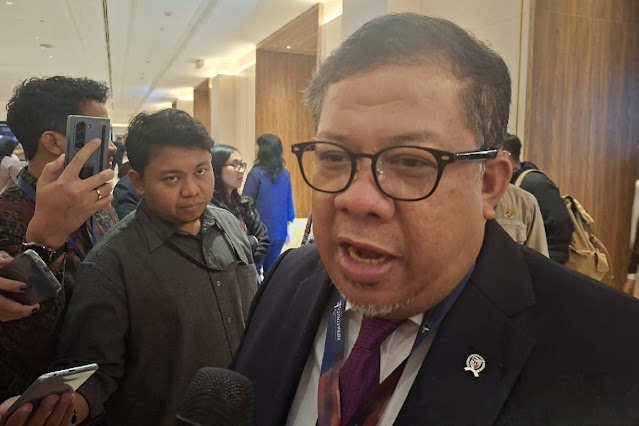
The Indonesian government has launched an ambitious national project to restore and revitalize approximately 1,300 coastal areas throughout the country this year. This large-scale effort is a strategic move to stimulate nationwide development and foster economic growth, with a significant budget of around Rp20 billion to Rp22 billion (approximately US$1.3 million) allocated for each location. The project represents a joint undertaking between the Ministry of Housing and Settlements (PKP) and the Ministry of Marine Affairs and Fisheries (KKP). As revealed by Deputy Minister of PKP, Fahri Hamzah, the president has personally tasked the KKP with managing a thousand of these locations, while the PKP Ministry will oversee the remaining areas. This division of responsibility is a key component of the program’s structure. Additionally, the initiative is not planned to be funded solely by the state budget; it will actively seek to involve the private sector by highlighting the immense strategic and economic value of the targeted coastal areas, a forward-thinking approach to ensure the project’s long-term viability and success.
The Critical Role of Local Collaboration
A cornerstone of the government’s new strategy for this and other national projects is the explicit emphasis on using accurate data from local governments. Deputy Minister Fahri Hamzah underscored that the success of these large-scale initiatives is contingent upon a precise understanding of the needs of the communities they are designed to serve. He convincingly argued that local administrations possess a more nuanced and reliable grasp of community needs and issues than the central government, citing a simple but powerful analogy: a neighborhood head is more likely to have accurate information on residents’ health issues. This insight highlights a fundamental shift in approach, recognizing that a top-down model without local input is prone to failure. Hamzah also pointed to past centrally initiated projects that have stalled or been abandoned due to a lack of collaboration and the neglect of vital regional data, a costly lesson that the government is determined not to repeat with this new wave of people-oriented initiatives.
Fostering Synergy for Sustainable Development
The Deputy Minister’s message concluded with a strong call for a greater synergy between central and regional governments to ensure the success and effectiveness of all development initiatives. He cautioned that Indonesia simply cannot afford to have its projects fail due to poor planning or a disconnect from the realities on the ground. By fostering a more collaborative relationship, the government aims to create a streamlined, efficient, and responsive system for project implementation. This new approach seeks to empower local administrations and leverage their unique knowledge to ensure that revitalization efforts are not only successful but also sustainable and truly beneficial to the communities they are intended to serve. This strategic shift towards a more inclusive and data-driven model is vital for the long-term impact of the ambitious coastal revitalization project, laying the groundwork for a more resilient and prosperous future for the entire nation.