Strategic Subsidy Maintenance Amid Global Energy Volatility
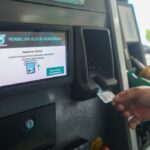
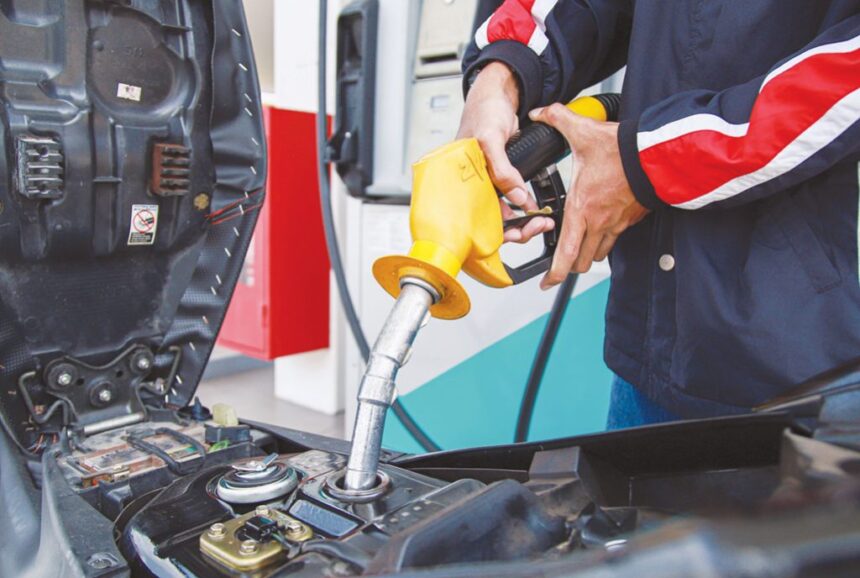
The Malaysian government is currently committed to an extensive fiscal intervention led by PM Anwar to stabilize domestic fuel prices despite the aggressive surge in global crude oil valuations. During the opening of the National Consumer Day 2026, the Prime Minister revealed that the administration must now allocate a staggering subsidy of 2 billion ringgit per month to ensure the price of RON95 petrol remains fixed at 1.99 ringgit per litre. This specific initiative, managed under the Budi MADANI RON95 framework, is projected to involve a total annual expenditure of 24 billion ringgit to protect the populace from the inflationary pressures of the international energy market. By prioritizing the economic welfare of the citizens, PM Anwar emphasized that maintaining these prices is a necessary burden for the state to bear, especially as world oil prices continue to fluctuate unpredictably due to external factors.
This move places Malaysia among the nations with the most affordable fuel rates globally, a policy designed to alleviate the cost of living for millions of households. The government’s decision to absorb these costs highlights a broader strategy of social safety nets where the state acts as a buffer against the harsh realities of the global commodity trade. Beyond just the immediate financial relief, this allocation serves as a stabilizing force for the domestic economy, preventing a localized spike in transportation and logistics costs that would otherwise trigger a domino effect on the price of essential goods and services. By ensuring that energy remains accessible, the administration aims to foster a predictable environment for both domestic businesses and private consumers who are navigating a period of heightened international uncertainty.
The long-term sustainability of such a massive fiscal commitment requires careful coordination between the ministry of finance and the energy sector. As international benchmarks remain elevated, the treasury must balance this consumption support against other critical infrastructure investments. However, the current priority remains clear: protecting the purchasing power of the middle and lower-income brackets. This strategic direction suggests that the government views social stability as the primary driver of economic resilience during a global crisis. The continued rollout of these subsidies ensures that the foundational costs of living remain manageable, thereby preventing a significant contraction in internal consumer demand that could otherwise lead to a localized recession.
Supporting Regional Logistics and Infrastructure in East Malaysia
In addition to the national RON95 policy, the administration continues to provide specialized support for the unique logistical challenges faced by the residents of Sabah and Sarawak. PM Anwar noted that the diesel subsidy in these states remains a critical priority, with the price set at 2.15 ringgit per litre despite the actual market cost reaching as high as 4.30 ringgit per litre. While the diesel subsidy for East Malaysia amounted to 2 billion ringgit last year, current geopolitical tensions have caused prices to soar, requiring an estimated annual coverage of 4.6 billion ringgit if current market conditions persist. This significant increase in funding is a direct response to requests from regional leaders, including the Chief Minister of Sabah, who has advocated for the protection of hard-working citizens from burdensome transportation costs.
The commitment shown by PM Anwar ensures that the vast distances and reliance on heavy machinery in these regions do not translate into financial hardship for the local workforce. By doubling down on this support, the government is effectively subsidizing the backbone of the East Malaysian economy, which relies heavily on diesel for industrial, agricultural, and logistics sectors. This targeted regional assistance is integrated into the wider MADANI economic framework, which seeks to balance development and equity across the various states of the federation. The ability of the government to manage such a massive fiscal deficit in the energy sector is a testament to its focus on long-term social stability over short-term budgetary surpluses.
Ensuring that East Malaysian industries remain competitive is vital for national export totals, particularly in the palm oil and timber sectors which are sensitive to logistics costs. By maintaining a subsidized floor for diesel, the government provides these industries with the cost-certainty required to fulfill international contracts. Furthermore, this policy mitigates the risk of regional price disparities that could lead to smuggling or market distortions. The strategic allocation of funds toward Sabah and Sarawak reflects a nuanced understanding of geographic economic disparities, ensuring that the benefits of the national energy policy are felt equitably regardless of the distance from the federal capital.
Navigating Geopolitical Crisis and Global Supply Chain Disruptions
The current escalation in oil prices is not merely a market anomaly but a direct consequence of the deepening geopolitical crisis in the Middle East. PM Anwar articulated a strong stance against military interventions and attacks on Iran, citing that such tensions have led to the critical closure of the Strait of Hormuz. This maritime blockade has left international merchant ships stranded, causing a significant spike in insurance and transportation costs that reverberate through the entire global supply chain. As a moderate yet independent nation, Malaysia has been vocal in its opposition to these conflicts, recognizing that regional instability in the Middle East poses a direct threat to global energy security and economic prosperity.
Despite these external pressures, the government remains focused on maintaining national peace and prosperity, positioning Malaysia as a diplomatic example for other countries seeking a resolution to the conflict. The Prime Minister expressed gratitude that leaders from other nations have reached out to Malaysia for its insights on mediating these international disputes. This diplomatic engagement complements the domestic fiscal policies led by PM Anwar, creating a dual approach that addresses both the symptoms and the root causes of the energy crisis. By fostering a peaceful domestic environment while actively participating in international discourse, Malaysia seeks to protect its interests and contribute to a more stable global economic order.
The resilience of the national logistics framework is being tested by these external shocks, yet the government’s ability to maintain operations suggests a high degree of strategic foresight. By diversifying its energy sources and strengthening its diplomatic ties, the administration is building a multi-layered defense against future volatility. The success of this approach will be a primary indicator of the nation’s ability to thrive in an increasingly multipolar world. As global trade routes for environmental and energy technology continue to evolve, the lessons learned from this period of crisis will likely inform the national strategy for the remainder of the decade, solidifying the nation’s role as a regional leader in both policy and practice.
Macroeconomic Displacement and Institutional Capital Allocation Analysis
The 2026 fiscal realignment in Malaysia represents a critical inflection point in the Southeast Asian B.I.F.E. landscape, signaling a shift toward more sophisticated fiscal governance of energy assets during a period of intense global friction. We analyze that the decision to maintain a 24 billion ringgit annual subsidy for RON95 is a direct response to the increasing pressure on domestic purchasing power and the urgent need for economic stabilization. From a professional financial perspective, the involvement of the sovereign treasury as a primary price buffer implies that the government is prioritizing social cohesion over immediate fiscal consolidation. This strategy effectively de-risks the domestic consumer market for institutional investors who seek stability in emerging market equities. By neutralizing the immediate impact of Brent crude volatility, the administration is protecting the profit margins of local manufacturing and service industries that are traditionally highly sensitive to energy input costs.
We project that the expansion of the diesel subsidy in Sabah and Sarawak will act as a localized catalyst for a re-rating of Malaysia’s industrial and logistical resilience within the wider ASEAN framework. For institutional capital, the government’s commitment to absorb a 4.6 billion ringgit regional subsidy provides a necessary safeguard against operational cost inflation in commodity-rich regions. This strategic positioning allows the state to leverage its fiscal capacity to protect the supply chains that are vital to the national gross domestic product. We observe that the market is already beginning to price in the improved stability of the domestic consumer sector, which will likely lead to enhanced regional equity performance as inflationary risks are mitigated. The preservation of these subsidies acts as an indirect stimulus, allowing discretionary spending to remain relatively resilient despite the deteriorating global geopolitical climate.
We conclude that the interplay between maritime logistics in the Strait of Hormuz and domestic fuel pricing will redefine the regional pecking order for foreign direct investment over the 2026 to 2028 period. As Malaysia executes this rollout of massive subsidies, the outcome will likely dictate the long-term stability of the manufacturing and service sectors. Institutional analysts should look beyond the immediate fiscal deficit to assess the structural integrity of the national social safety net and the government’s ability to maintain a peaceful environment through diplomatic leadership. The successful navigation of this energy crisis will verify Malaysia’s maturity as a diversified economy capable of transforming global liabilities into localized stability. This interventionist approach, while costly, positions the nation as a safe haven for capital within a volatile region, reinforcing its status as a moderate and stable partner in the global trade network.