Strategic Growth And Acquisition Momentum For S-Reit Portfolios
The landscape for Singapore real estate investment trusts has seen a significant transformation as acquisition activity among the S-Reit sector has picked up considerably this year. These trusts are signaling a measured return to growth as global financing conditions begin to stabilize and provide a more predictable environment for capital deployment.
In the first four months of the year alone, several prominent trusts announced eleven major acquisition transactions with a combined total value exceeding 6.3 billion dollars. This impressive figure already accounts for more than 70% of the total acquisition value recorded throughout the entire previous year of 2025.
By comparison, the market only witnessed six such announcements during the same period last year, highlighting a much faster pace of expansion and a renewed sense of investor confidence. This shift reflects improving access to capital markets and a strategic focus on acquiring assets that enhance overall portfolio quality while offering much clearer visibility for future earnings.
The momentum is largely being driven by the larger entities within the industry who have the balance sheet strength to execute high value deals even in a complex macro environment. As these organizations navigate the transition into a more stable interest rate period, the focus remains on long term value creation and the optimization of asset yields.
The ability of the sector to attract significant private placement funding suggests that the underlying demand for high quality institutional real estate remains robust among both domestic and international capital holders who seek reliable dividends and capital appreciation.
Dominance Of Logistics And Data Center Assets In S-Reit Expansion
Much of the current acquisition activity is concentrated in sectors that demonstrate resilient demand fundamentals, with logistics and industrial assets leading the way for many S-Reit managers. Logistics properties have dominated the transaction landscape so far this year, accounting for more than half of the announced deals as managers capitalize on the sustained growth of e-commerce and the ongoing reconfiguration of global supply chains.
One of the most active participants has been CapitaLand Ascendas Reit, which recently announced a 1.4 billion dollar acquisition involving logistics and business space assets in Singapore alongside a hyperscale data center in Japan. This expansion into the Japanese market reflects a disciplined approach to scaling a global digital infrastructure portfolio in established hubs that benefit from strong connectivity and demand drivers.
Other focused entities, such as Mapletree Logistics Trust and Frasers Logistics & Commercial Trust, have also been deploying capital selectively into emerging markets like India and established European corridors like the Netherlands. These strategic moves highlight a continued appetite for modern industrial facilities where supply remains limited and occupancy rates are high.
For many investors, the appeal of a diversified S-Reit lies in its ability to pivot toward these high growth sub-sectors while maintaining a core exposure to stable, income producing commercial properties. By prioritizing assets with strong tenant profiles and long term leases, managers are effectively shielding their distributions from short term market volatility.
This focus on industrial resilience is a key differentiator in a tougher economic environment where performance varies significantly across different property types and geographic regions. The integration of technology-driven real estate assets ensures that the sector remains relevant in an increasingly digital global economy.
Institutional Quality Assets And Market Outlook For S-Reit Stability
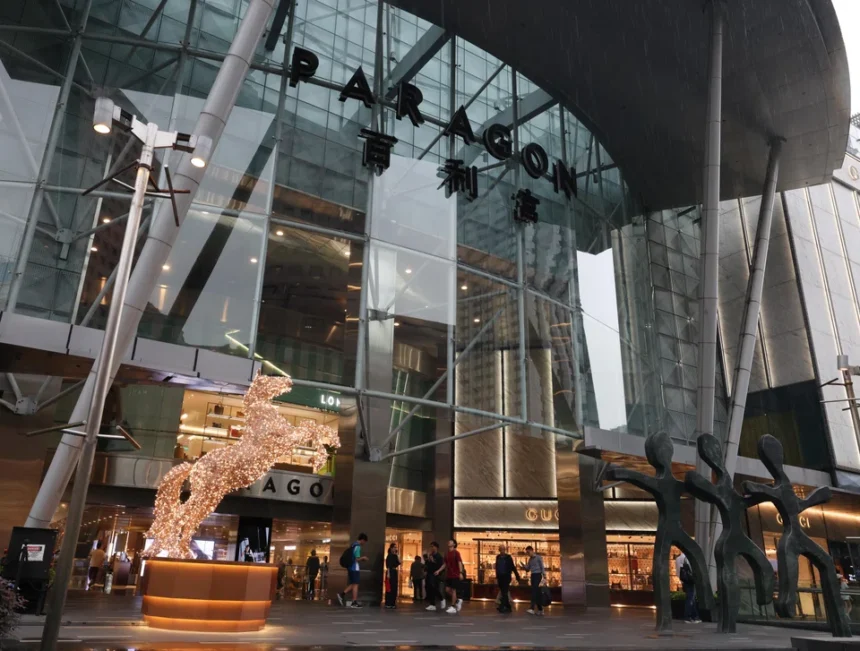
As the market enters the second half of 2026, investors are becoming increasingly selective, favoring an S-Reit that possesses a strong balance sheet and assets with high defensive qualities. Large scale transactions, such as the 3.9 billion dollar acquisition of the integrated development along Orchard Road by CapitaLand Integrated Commercial Trust, demonstrate the capacity for major players to secure trophy assets that define the urban landscape.
These transactions are often funded through a combination of asset recycling and private equity placements, allowing the trusts to optimize their gearing levels while renewing their portfolios with younger, more efficient buildings. Financial analysts have noted that sectors such as Singapore offices, data centers, and purpose-built accommodation are likely to hold up better under current conditions where demand has remained relatively stable.
The integration of high quality retail and office spaces provides a diversified revenue stream that is vital for maintaining consistent payouts to unitholders. Furthermore, the inclusion of sustainable and green-certified buildings is becoming a mandatory requirement for attracting institutional capital, as global mandates for environmental responsibility continue to tighten across all major financial markets.
The ability of the local exchange to facilitate these multi-billion dollar deals highlights the maturity of the financial infrastructure in Singapore and its role as a regional hub for real estate investment. As the year progresses, the focus will remain on disciplined capital management and the pursuit of strategic acquisitions that can deliver accretive growth for the long term.
For the average investor, this period of increased activity provides a unique window to assess which managers are most capable of navigating a stabilizing interest rate environment to deliver sustainable returns. The competitive advantage lies with those who can secure prime locations while maintaining high occupancy rates and positive rental reversions in a globalized economy.
Regional Real Estate Liquidity And Yield Compression
From a professional financial perspective, the surge in acquisition volume among the institutional real estate sector signals a significant narrowing of the bid-ask spread that has hampered market liquidity over the past twenty-four months. The fact that deal values have already reached 70% of the 2025 total within just four months suggests that valuation benchmarks are finally aligning with the new cost of debt reality in 2026.
For a sophisticated S-Reit manager, the current environment offers a strategic opportunity to acquire high quality assets at more realistic entry yields, particularly in sectors where rental growth remains positive. The concentration of capital in logistics and data centers is not merely a trend but a fundamental shift in asset allocation toward mission-critical infrastructure that is less sensitive to consumer spending cycles.
We are observing a flight to quality where the most capitalized trusts are effectively acting as liquidity providers for the market, taking over prime assets from developers who may be looking to deleverage their own balance sheets. This cycle of asset recycling is essential for maintaining the health of the broader financial ecosystem, as it allows capital to flow back into new development projects while stabilizing existing property values.
The regional market impact of these multi-billion dollar transactions is profound, as it re-establishes Singapore as the primary destination for defensive real estate capital in the ASEAN region. As global investors rotate out of more volatile emerging markets, the transparency and regulatory rigor of the local trust framework provide a secure harbor for long term wealth preservation.
We expect that the successful integration of large scale assets like the integrated development in the central business district will serve as a catalyst for further consolidation within the industry. Smaller players may find it increasingly difficult to compete for prime acquisitions without the economies of scale and access to lower-cost institutional funding enjoyed by their larger counterparts.
In the 2026 economic landscape, the success of a trust will be determined by its ability to maintain a low weighted average cost of capital while simultaneously high-grading its portfolio through disciplined divestments. This proactive management approach is essential for ensuring that the sector remains a cornerstone of the regional investment landscape, providing a reliable source of income and a hedge against broader economic uncertainty.
By focusing on infrastructure based fields and practical commercial needs, the leading trusts are cementing their positions as dominant players in the global real estate market. This ensures that the local ecosystem remains resilient and attractive to a diverse range of global participants, reinforcing Singapore’s status as a premier financial center capable of navigating complex global shifts with precision and strategic foresight.