


Expanding Digital Welfare Through SARA Aid Initiatives
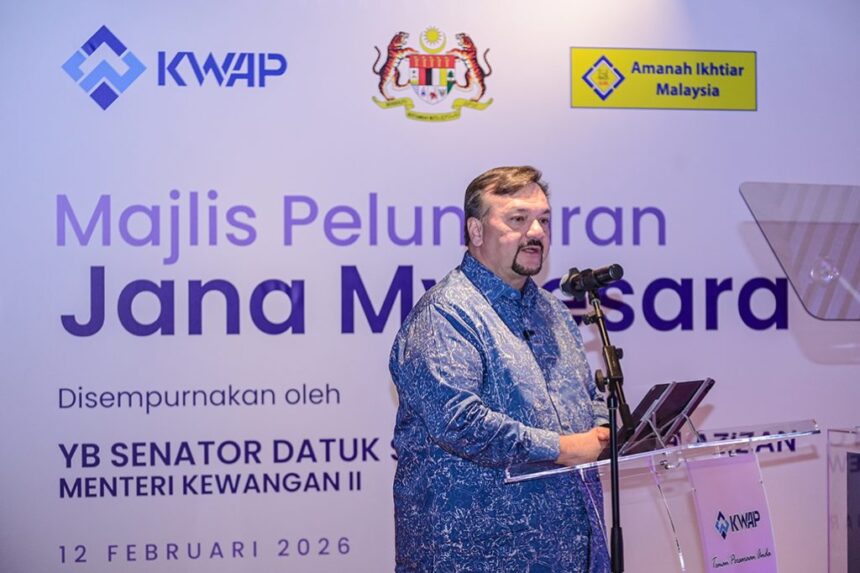
The Malaysian government continues to strengthen its social safety net as nearly two million citizens successfully redeemed their RM100 SARA aid within the first few days of the 2026 rollout. Finance Minister II Datuk Seri Amir Hamzah Azizan recently highlighted that approximately RM200 million in funds has already been distributed as of Tuesday, reflecting a massive and positive reception toward the Sumbangan Asas Rahmah program.
This initiative represents a core component of the administration’s commitment to alleviating the cost of living for the lower and middle-income groups by providing direct cash assistance that can be used for essential household needs. Unlike previous years where minor technical glitches hampered the redemption process, the current system has demonstrated remarkable stability, allowing for a seamless user experience without the burden of long physical queues at participating retail outlets.
This successful deployment is a testament to the continuous digital upgrades implemented by the ministry to ensure that welfare reaches the hands of those who need it most with maximum efficiency. By integrating the assistance directly with the MyKad system, the government has simplified the verification process, making it easier for eligible individuals to access their credits at various grocery stores and supermarkets nationwide.
Strategic Enhancements To The Rahmah Cash Assistance Framework
To further increase the utility of the SARA aid credits, the Finance Ministry has introduced significant improvements to the eligible categories of goods that can be purchased using the one-off RM100 credit. Recognizing the diverse dietary and storage needs of modern Malaysian families, authorities now allow the inclusion of frozen food items in the list of approved products, a move that has been widely praised by urban households.
These refinements are part of a broader strategy to ensure that the Rahmah assistance remains relevant and responsive to the actual market conditions faced by the public. Minister Amir Hamzah noted during the launch of the Jana MyPesara initiative that the government is closely monitoring feedback from both retailers and consumers to identify further areas for systemic optimization.
The goal is to move beyond a simple cash handout and toward a more holistic support system that integrates seamlessly into the daily lives of the twenty-two million MyKad holders aged eighteen and above who qualify for this benefit. The validity period for the credit, which extends from February 9 until the end of December 2026, provides ample time for beneficiaries to plan their spending strategically.
Analyzing The Economic Impact Of Targeted Microfinancing
The synergy between direct assistance programs and microfinancing initiatives like Jana MyPesara indicates a sophisticated approach to national wealth management and retirement security. While the SARA aid serves as an immediate buffer against inflation for the general population, the introduction of structured microfinancing aims to empower retirees to maintain their financial independence through entrepreneurship.
From a financial analyst’s perspective, this two-pronged approach addresses both the immediate consumption needs of the public and the long-term investment requirements of an aging population. By providing retirees with the tools to manage and run businesses in a more structured manner, the government is reducing the future pressure on the national pension system while simultaneously stimulating the local small and medium enterprise sector.
This proactive stance is essential for maintaining economic resilience as Malaysia navigates the complexities of a maturing digital economy. We observe that the successful distribution of nearly RM200 million in such a short period acts as a localized stimulus, as these funds are immediately cycled back into the domestic retail market. The absence of system failures also enhances the credibility of the government’s digital delivery mechanisms.
Analysis Of Local And Regional Market Impacts
The scale and efficiency of the SARA aid distribution in 2026 signal a major maturation in Malaysia’s fiscal disbursement infrastructure, with significant implications for the domestic retail and financial sectors. The injection of nearly two hundred million ringgit in a highly targeted manner creates a localized consumption surge that specifically benefits the fast-moving consumer goods category.
By expanding the list of eligible items to include frozen foods, the government is not only supporting household food security but also driving volume growth for local cold-chain logistics and specialized food manufacturers. We observe that this move shifts the focus of welfare from simple caloric intake to higher-value nutrition, which in turn supports the long-term health and productivity of the labor force.
Furthermore, the seamless integration with the MyKad system reduces the informal economy’s friction, as transactions are routed through verified digital channels. This provides the government with high-fidelity data on consumer behavior, allowing for even more precise inflationary interventions in the future. The regional impact within the ASEAN bloc is also notable, as Malaysia sets a high benchmark for digital welfare delivery that avoids the leakage and corruption often associated with physical distribution methods.
The broader regional market for retail tech and fintech is likely to see increased interest as other emerging economies look to replicate this success. The inclusion of microfinancing via Jana MyPesara further deepens the financial inclusion landscape by bridging the gap between social assistance and commercial productivity. This strategy effectively converts a social cost into an economic investment, as retirees transition from being passive aid recipients to active participants in the micro-enterprise ecosystem.
Our analysis suggests that the success of the 2026 SARA rollout will likely lead to a permanent shift in how Malaysia manages its subsidy rationalization efforts, moving away from broad-based fuel or food subsidies toward this precise, credit-based model. This transition is essential for preserving the country’s fiscal health and sovereign credit rating, as it demonstrates a clear ability to protect the vulnerable while maintaining a disciplined budget.
Ultimately, the stability and scalability of this digital welfare infrastructure provide a foundation for more sophisticated social programs that can be adjusted in real-time to meet changing economic conditions. By fosterring a more efficient and transparent distribution system, Malaysia strengthens its domestic economic resilience and reinforces its position as a regional leader in digital governance and financial innovation.