Shareholder Conflict And Corporate Restructuring At Saujana Resort
The recent extraordinary general meeting held on May 5 has highlighted a significant divide among the stakeholders of the financially distressed Saujana Resort (M) Bhd, as golfing members formally rejected a proposed restructuring plan. Within the first 60 words of this development, it is clear that the future of Saujana Resort remains uncertain after Class B shareholders failed to provide the necessary 75% majority vote required to move forward with the internal overhaul. This specific proposal was designed to eliminate the highly unusual dual-share structure of the company, which currently separates voting power and management control from the general usage rights of the golf club members.
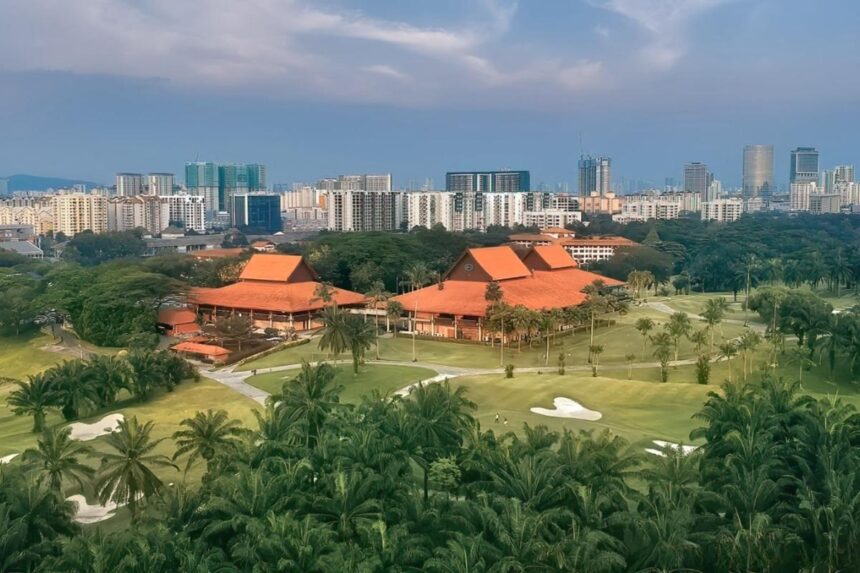
Specifically, Class A shareholders, who are primarily led by Peremba (Malaysia) Sdn Bhd, had previously approved the measure in mid-April. However, the process was delayed and eventually halted when the reconvened vote saw only 61.43% of the Class B shareholders in favor of the merger. This rejection comes at a critical time for the organization, which owns the prestigious Saujana Golf and Country Club situated on a sprawling 320-acre freehold site near the Subang Airport. The lack of consensus among the individual members and the primary corporate owners suggests a complex landscape of conflicting interests regarding how the assets should be managed and how the financial burden of the company should be distributed.
Without a unified share class, the path toward stabilizing the balance sheet becomes increasingly narrow, leaving the board of directors in a challenging position as they attempt to navigate the group’s current fiscal difficulties and operational requirements. The failure to secure approval indicates a deep-seated distrust or misalignment regarding the valuation of member rights versus corporate equity. As the company grapples with its legacy share structure, the immediate priority remains finding a middle ground that can satisfy the legal requirements for restructuring while preserving the operational integrity of the club for its most dedicated patrons.
Navigating Dual Share Complexity And Financial Distress
The structural issues at Saujana Resort are deeply rooted in its unique corporate architecture, where Class A shareholders maintain total control over board appointments and management decisions. In contrast, the Class B shareholders consist mostly of individual members who enjoy access to the club facilities but possess very limited influence over the strategic direction of the business. This arrangement is an anomaly in the world of private clubs, where members typically hold usage rights rather than actual equity in the owning company. The proposed restructuring intended to simplify this by merging the two classes into a single, equal category of shares.
To incentivize the change, the management introduced a redeemable preference share scheme that was meant to grant Class B shareholders additional benefits and usage rights within the golf club. However, the failure to secure the required threshold of votes indicates that many members remain skeptical of the long term implications of such a merger. The financial health of Saujana Resort is currently under heavy scrutiny, as the company has accumulated losses totaling 117 million ringgit and faces current liabilities of approximately 134 million ringgit. A significant portion of these liabilities stems from a 121 million ringgit shareholder loan, complicating the debt profile.
The chairman, Tan Sri Mohd Razali Abdul Rahman, who is linked to the controlling interest of Peremba, must now find a new way to address the group’s massive debt while managing the expectations of a vocal and protective membership base. Many Class B shareholders likely view their equity not as a financial investment but as a protected right to a premium lifestyle asset, making them resistant to changes that appear to dilute their standing. The group’s status as asset-rich but cash-poor creates a paradoxical situation where the intrinsic value of the land is high, yet the daily liquidity needed to service debt and maintain facilities is dangerously low.
Strategic Implications For Future Asset Management
While the immediate outcome of the May 5 vote has stalled the restructuring, the necessity of strengthening the company’s financial position remains an urgent priority for Saujana Resort and its executive leadership. A spokesperson recently emphasized that merging the share classes is an essential step in any viable plan to repair the balance sheet and ensure the long term survival of the club. The current status of the company as a distressed entity means that doing nothing is likely not an option, especially given the rising pressure from liabilities and the lack of operational cash flow.
Observers within the industry suggest that more details regarding the next steps for Saujana Resort will likely be revealed in the coming weeks as the board evaluates the feedback from the dissenting Class B shareholders. The primary challenge lies in bridging the trust gap between the corporate majority and the individual golfing members who see the club as more than just a financial asset. Because the 349-acre site is mostly freehold, it represents a significant piece of real estate in the Petaling Jaya area, making it a valuable target for future development or high level refinancing if a consensus can be reached.
The outcome of this struggle will likely serve as a case study for other legacy clubs in Malaysia that are facing similar transitions toward more modern and transparent corporate structures. For now, the focus remains on whether the leadership at Saujana Resort can devise a secondary plan that addresses the financial deficit without alienating the membership base. Achieving a 75% consensus in a divided environment will require significant transparency and perhaps more favorable terms for those who feel their legacy rights are at risk during this transition. Future strategies may involve more aggressive asset monetization or a revised preference share offering that provides clearer exit paths for legacy members.
Macro-Financial Impact On Premium Real Estate And Hospitality
From a financial analysis perspective, the impasse at Saujana Resort serves as a critical indicator of the valuation tensions currently affecting premium hospitality assets across the Klang Valley. This situation reflects a broader regional trend where legacy clubs, often situated on prime suburban land, face a clash between historical member privileges and the modern necessity for capital efficiency. The inability to restructure suggests a significant liquidity risk for the entity, as the 134 million ringgit in current liabilities creates an unsustainable debt-to-equity profile that could eventually necessitate a forced liquidation or a third-party acquisition. Such an event would have a ripple effect on local property valuations, potentially re-rating the land use from recreational to high-density residential or commercial to unlock the inherent value of the 320-acre site.
Furthermore, the failure of the Class B shareholders to approve the plan signals a cooling of market confidence in traditional club equity models, which may drive retail and institutional investors toward more liquid hospitality REITs instead. For the regional market, this deadlock emphasizes the importance of governance transparency in mixed-use developments where lifestyle amenities are intertwined with corporate balance sheets. If the company remains in a state of financial distress without a viable path to deleverage, it may lead to a deterioration of the facility’s competitive standing against newer, more agile golf resorts in the region. This competitive erosion could diminish the long-term desirability of the surrounding Subang residential enclave, as the club has historically acted as a primary anchor for the area’s high-net-worth demographic.
Ultimately, the resolution of this conflict will likely dictate the future of large-scale freehold land parcels in mature urban corridors. If a second, more aggressive restructuring attempt fails, we may see the entry of distressed asset funds looking to capitalize on the widening gap between the company’s market capitalization and its underlying real estate value. For financial observers, the Saujana case is a bellwether for the survival of the asset-heavy hospitality model in an era of rising operational costs and shifting stakeholder priorities. The market will be watching closely for any moves toward strategic land disposal or joint venture partnerships, which could provide the necessary cash injection to settle the 121 million ringgit shareholder loan and stabilize the group’s long-term outlook.