Strategic Human Capital Development Amid The Semiconductor Surge
Vietnam is currently positioning itself as a critical player in the global technology landscape, primarily driven by a massive semiconductor surge that is reshaping its industrial priorities. As international giants look for stable alternatives in Southeast Asia, the nation has emerged as a preferred destination due to its political stability and favorable investment policies.
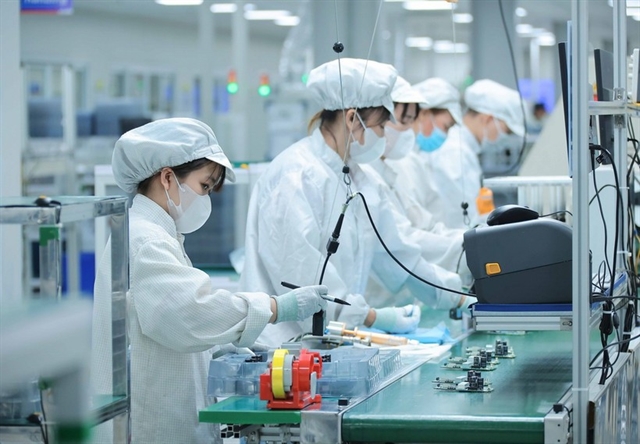
However, this rapid expansion has highlighted a significant talent bottleneck that could potentially slow the sector’s momentum if not addressed with urgency. Currently, the nationwide workforce consists of only about 15,000 specialists, which is far short of the ambitious goal to produce 50,000 high-quality engineers and technicians by the year 2030.
Industry leaders note that while the country possesses a large cohort of technically capable and fast-learning engineers with strong foundations in mathematics and logic, the transition toward a self-sustaining semiconductor hub requires a more robust and specialized training infrastructure.
The current deficit in manpower is becoming a focal point for the national steering committee, which oversees nearly 170 foreign direct investment projects in the high-technology sector. With total registered capital nearing billions of dollars from major players like Intel and Amkor, the pressure to deliver a skilled workforce is at an all-time high.
To maintain the momentum of this technological rise, the government is focusing on bridging the gap between academic output and industry requirements. This involves ensuring that the next generation of engineers can meet the rigorous demands of global semiconductor manufacturing and design.
Analyzing The Value Chain And Workforce Diversification Requirements
The sustainability of the current industrial growth depends heavily on Vietnam’s ability to move beyond basic back-end processes and penetrate the more complex stages of the semiconductor value chain. Experts from the World Bank and various innovation centers emphasize that strengthening human capital will provide the nation with greater flexibility.
Investing in high-tech talent is expected to pay significant dividends across the entire economy, creating tens of thousands of high-paying jobs and fostering a virtuous cycle of high-quality foreign direct investment. While there are currently around 7,000 engineers specializing in integrated circuit design, the industry requires a more diverse array of roles.
A successful talent strategy must encompass the entire ecosystem, ranging from process integration and materials manufacturing to marketing, legal services, and specialized operations. One of the most pressing challenges identified by academic researchers is the scarcity of full-stack engineers who are capable of completing end-to-end chip design.
Currently, most local specialists are limited to single-stage tasks, which restricts their ability to participate deeply in the global supply chain. By expanding training programs and facilitating deeper collaboration between universities and enterprises, the nation can upgrade its skill sets.
This ensures that its workforce possesses the broad and diverse expertise required to support an advanced technological infrastructure. The transition to higher value-added activities is essential for the long-term viability of the sector and its contribution to the national gross domestic product.
Institutional Frameworks And Future Projections For National Growth
By the year 2035, the vision for the country is to be recognized as a premier global talent hub with a self-sustaining pipeline of vibrant domestic chip design houses. This long-term outlook is supported by a comprehensive human resource development program that targets the qualification of at least 50,000 workers over the next decade.
Central to this plan is the establishment of four national semiconductor laboratories and eighteen institutional labs located across major academic centers in Hanoi, Da Nang, and Ho Chi Minh City. These shared-use facilities are expected to begin full implementation by 2026.
These labs will provide students and researchers with the hands-on learning environments necessary for rapid application in real-world scenarios. Furthermore, there is a strategic focus on postgraduate training to produce exceptional doctoral and master’s candidates who can lead major national projects.
This institutional framework is designed to create an applied engineering mindset that equips workers to fill every position across the semiconductor value chain, from raw materials to final packaging. As the government and universities align their strategies, the nation is poised to enhance its credibility.
Such a collaborative approach ensures that the labor market remains resilient and capable of supporting the continued growth of the electronics sector. This will ultimately secure a prosperous future within the international semiconductor landscape and promote overall economic development.
Regional Competitive Dynamics And Market Impact Analysis
The structural evolution of the Southeast Asian technology corridor suggests that the current focus on addressing the talent shortage will serve as a definitive benchmark for regional industrial resilience. From a professional financial and analytical perspective, the move toward specialized semiconductor training is a critical macroeconomic strategy.
By securing a high-quality workforce, the nation reduces the risk of capital flight and ensures that the massive investments made by multinational corporations remain anchored within the domestic economy. We observe that the regional market impact is significant, as neighboring countries are also vying for a share of the semiconductor value chain.
The transition from a labor-intensive assembly model to a knowledge-based design and manufacturing hub requires a disciplined approach to fiscal allocation and institutional reform. Furthermore, the integration of advanced laboratories into the national innovation network will likely catalyze the growth of ancillary high-tech industries.
Analysts believe that as the country achieves its training milestones, it will experience a stabilization of its high-tech export margins and a strengthening of its overall trade balance. This development is essential for maintaining a competitive edge in an increasingly automated and digitally driven global market.
The success of these talent initiatives will determine the long-term investment attractiveness of the country compared to other emerging manufacturing hubs. A steady supply of skilled labor acts as a primary hedge against rising operational costs and technological disruption.
In summary, the strategic evaluation of the current industrial trajectory reveals that the ability to produce a diversified and highly skilled engineering pool will be the most influential factor. It will dictate long-term dominance as a semiconductor manufacturing powerhouse in the Asia-Pacific region.
This evolution from back-end testing to front-end design will likely result in a significant multiplier effect on the broader economy. It positions the nation not just as a factory of the world, but as a center of intellectual property and technological innovation for the next decade.