Analyst Downgrades Follow Sharp Profit Decline
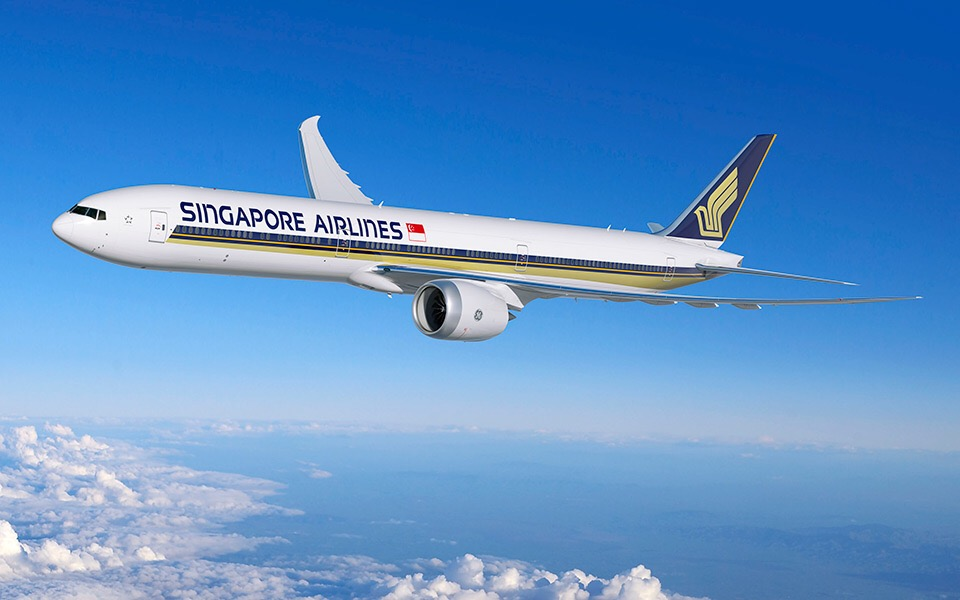
Singapore Airlines (SIA) shares experienced a significant decline, falling by as much as 8.7% to S$6.94 in early trading, reaching their lowest point in over three weeks. This sharp market reaction followed the airline’s report of a 7.1% drop from its previous close. This downturn made SIA one of the most actively traded stocks on the Singapore Exchange, with nearly 28 million shares changing hands. The market’s negative response was driven by a wave of downgrades from prominent analysts, who swiftly adjusted their recommendations and price targets. For example, Maybank downgraded SIA from a “hold” to a “sell” and lowered its price target, while CGS International (CGSI) also issued a downgrade to “reduce.” The analysts cited a number of concerns, including the disappointing earnings and the significant share of losses from Air India, where SIA holds a 25.1% stake, which appears to be a major headwind for the carrier’s financial performance.
Concerns Over Air India’s Losses and Rising Costs
A key driver behind the analyst downgrades is the mounting financial burden from SIA’s share of losses in Air India. Analysts from both Maybank and CGSI highlighted this issue, with CGSI analyst Raymond Yap noting that the losses from the Indian carrier are proving to be much deeper than anticipated. Yap projected that SIA could face losses of up to S$250 million in fiscal year 2026 and S$200 million in fiscal year 2027 from Air India, figures that are significantly higher than previous forecasts. Maybank’s Eric Ong echoed these sentiments, emphasizing how Air India’s losses are overshadowing the positive impact of lower fuel prices on SIA’s operations. Ong also revised down SIA’s projected core earnings per share for the next three fiscal years, citing not only the Air India drag but also rising non-fuel expenses and a weakening cargo segment. While DBS analyst Jason Sum acknowledged that Air India is a “near-term drag,” he remains cautiously optimistic that ongoing transformation efforts could gradually reduce its negative impact on SIA’s financials in the future.
Navigating Geopolitical Uncertainty and Seizing Opportunities
SIA’s challenges are not limited to its associate losses; the company is also facing headwinds in its cargo business. Maybank’s Eric Ong warned that demand for air cargo may face increasing pressure from trade policy uncertainty, particularly with an unclear direction on US tariffs. He observed a slowdown in cargo volumes in June, noting that the previous surge was driven by businesses rushing shipments ahead of potential new US tariffs. Ong added that cargo revenue for the quarter dropped by 1.9% year-on-year as yields deteriorated by 4.4%, a worse outcome than anticipated. On a more positive note, the planned closure of rival Jetstar Asia could open up new market opportunities for SIA to expand its regional service. In response, SIA’s low-cost subsidiary, Scoot, is preparing to launch new flights to Labuan Bajo, Medan, and Okinawa, subject to necessary approvals, to fill the gap left by the competitor. Furthermore, air travel demand is expected to remain strong for the second quarter, boosted by the peak summer season, which could help SIA manage cost pressures and offset some of its financial challenges.