Capitalargo.com – Singapore has long been recognized as one of the world’s leading maritime and logistics hubs. Its strategic geographic position, advanced port infrastructure, stable political environment, and extensive free trade networks have made it a cornerstone of global supply chain operations.
However, in an era defined by rapid changes in trade flows, digital transformation, and shifting market demands, traditional warehousing and distribution models are no longer sufficient. The growing need for specialized logistics warehouses is reshaping Singapore’s port-side infrastructure and influencing future industrial development.
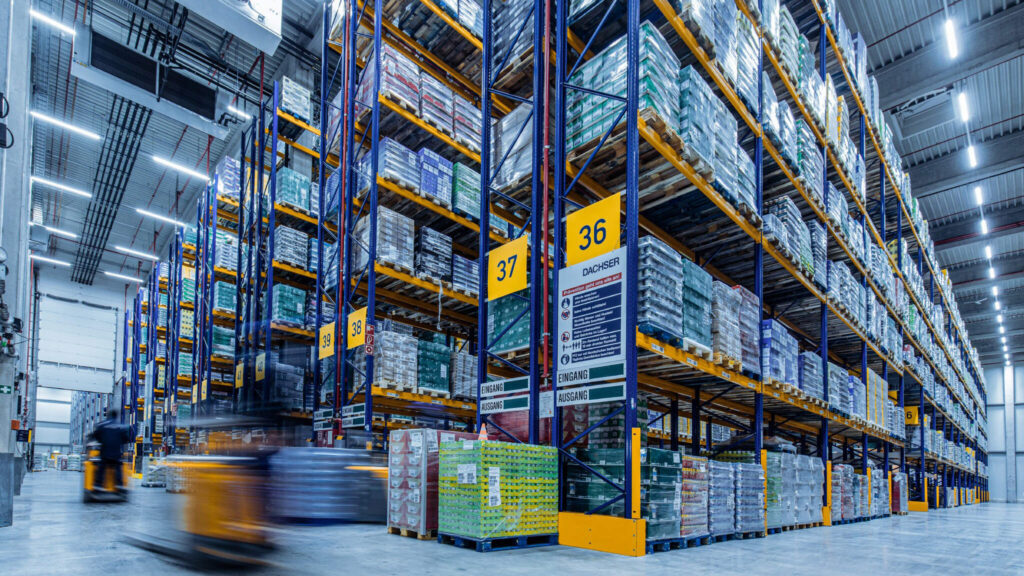
The concept of specialized logistics warehouses refers to storage and distribution facilities designed to meet specific operational requirements—such as temperature-controlled environments, automated handling systems, cross-docking configurations, value-added processing zones, bonded storage, and last-mile fulfillment hubs. As global supply chains become more integrated and data-driven, conventional warehouses are evolving into high-precision, technologically advanced logistics centers.
This article explores the anticipated future demand for specialized logistics warehouses in the Singaporean port area, the factors driving this shift, and the long-term implications for trade, investment, logistics providers, and national economic growth.
Transformations in Singapore’s Port and Logistics Infrastructure
One of the most influential developments shaping Singapore’s warehousing landscape is the consolidation and modernization of port operations into Tuas Mega Port, which is expected to become the world’s largest fully automated container port by the 2040s. This facility is designed to integrate advanced robotics, data platforms, automated guided vehicles, and centralized maritime services.
The relocation and expansion of port infrastructure create new opportunities to redesign the surrounding logistics ecosystem. Warehouses located near high-capacity automated ports must be equally advanced to maximize throughput efficiency. As a result, the demand for specialized logistics warehouses is closely linked to the pace and sophistication of port upgrades.
Where older ports relied on manual labor and conventional inventory storage, modern port-proximate facilities must allow:
- Seamless integration with automated port loading systems
- Direct digital communication with customs and trade clearance platforms
- Real-time shipment tracking and visibility
- High-speed distribution workflows for regional re-exporting
This evolution positions Singapore for a new era of logistics competitiveness, but it also requires significant investment and planning. Major infrastructure wins—like UUE Holdings’ S$20.9 million Singapore project—are already demonstrating how deep-tech and automation expertise is being deployed to build next-gen logistics facilities around Tuas.
Behind the Demand for Specialized Logistics Warehouses
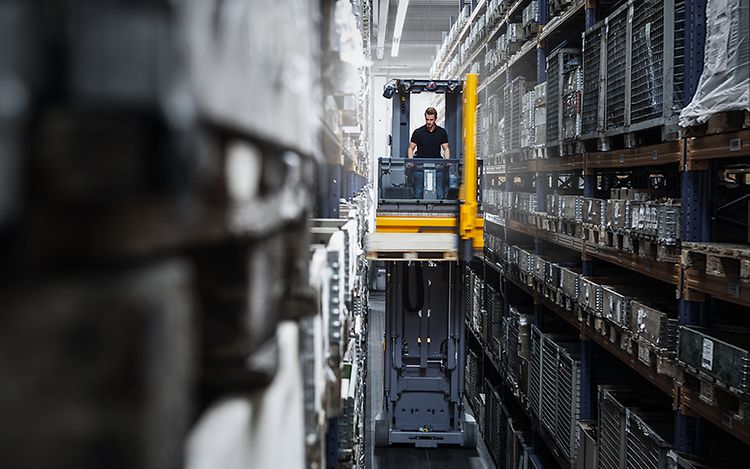
Several major forces are accelerating the need for advanced warehousing solutions.
Growth in E-Commerce and Omnichannel Retail
Southeast Asia is one of the fastest-growing e-commerce markets in the world, with Singapore serving as a logistics and fulfillment hub for cross-border shipments. Online retail requires:• Faster delivery speeds
• Higher SKU volumes
• Efficient last-mile logistics
• Flexible micro-distribution hubs
This makes specialized warehouses essential for sorting, repackaging, local inventory holding, and rapid distribution.
Rise of Cold Chain Logistics
Demand for temperature-controlled storage is increasing due to:• Growth in fresh food imports
• Expansion of pharmaceutical distribution
• Biomedical research and biotech manufacturing needs
Cold storage facilities must meet strict regulatory and quality control requirements, which standard warehouses cannot support.
Regional Supply Chain Reconfiguration
Companies are diversifying production away from single-country concentration. Singapore’s port is becoming a central node for balancing multi-origin, multi-destination trade flows—requiring specialized value-added logistics zones.
Automation and Digital Supply Chain Integration
Future warehouses must accommodate:
• Autonomous forklifts and guided vehicles
• Automated retrieval systems
• IoT-enabled inventory monitoring
• AI-powered demand planning
This turns warehouses into smart logistics hubs rather than simple storage spaces. B2B SaaS platforms—leading Asia’s digital transformation as outlined in the future of B2B SaaS in Singapore—are now being embedded directly into warehouse operating systems for real-time optimization.
Sustainability and Energy Efficiency Requirements
Logistics operators face increasing pressure to reduce carbon footprints. Specialized warehouses can incorporate:
• Solar-powered refrigeration
• Green building certifications
• Low-emission material handling machines
Sustainability is becoming a competitive necessity, not a branding choice.
How Singapore’s Port Area Supports Specialized Warehouse Growth
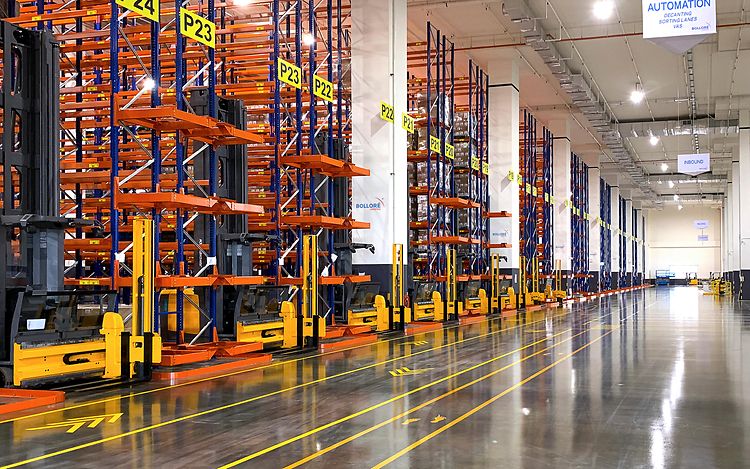
The Singaporean port area provides a unique environment that supports the expansion of specialized logistics warehouses due to its:
- Immediate ocean access for import/export flows
- Connectivity to global shipping routes
- Strong trade financing and insurance infrastructure
- Dense network of freight forwarders and logistics service providers
Additionally, Singapore’s free trade regimes and simplified customs processes make it an ideal location for consolidation, transshipment, and regional distribution.
Because of this, the port area’s warehouse zones increasingly focus on:
- Bonded storage for deferred import taxes
- Consolidation centers for multi-country shipments
- Light assembly and customization areas
- Pharma-grade sterile packaging and distribution
- Refrigerated and frozen storage clusters
These capabilities reinforce Singapore’s identity as a premium logistics gateway.
Industries Driving the Growth of Specialized Warehousing Demand
The industries most dependent on specialized logistics warehouses include:
- E-commerce retail and marketplace operators
- Fresh and frozen food importers
- Pharmaceutical and biotechnology manufacturers
- Aerospace spare parts suppliers
- Advanced electronics and semiconductor distributors
- Luxury goods and high-value retail brands
These industries require specialized handling, secure storage conditions, and precise traceability systems—making advanced logistics facilities indispensable.
Challenges Slowing the Expansion of Specialized Warehousing
Despite clear demand growth, several challenges persist:
- High Land and Development Costs
Singapore’s limited land supply increases the cost of large-scale industrial warehouse development. - Shortage of Skilled Digital Logistics Labor
Automation requires technicians, data analysts, and systems engineers—not just warehouse operators. Deep-tech startups—many funded via programs explained in how to secure funding for a deep-tech startup from Singapore government grants—are stepping in to develop AI and robotics talent pipelines for logistics automation. - Rising Operational Costs
Energy, maintenance, and compliance costs remain high, especially for temperature-controlled storage. - Complex Regulatory and Zoning Requirements
Warehouse functions must align with urban planning, environmental, and security policies. - Competition from Emerging Regional Trade Hubs
Malaysia, Vietnam, and Indonesia are investing heavily in port logistics ecosystems.
Even with these challenges, demand continues to grow, driven by long-term structural changes in regional trade.
Future Outlook
Looking ahead, Singapore is positioned to solidify its role as a leader in next-generation supply chain logistics. The future demand for specialized logistics warehouses in the Singaporean port area will likely increase due to:
- Greater reliance on automation and smart logistics systems
- Expansion of Asia’s cross-border e-commerce markets
- Growth of biotechnology, aerospace, and precision manufacturing sectors
- Increased investment in cold chain and pharmaceutical supply chains
- Continued global trade route diversification
Specialized warehouses will become central not only to warehousing but to integrated logistics and value-added service ecosystems. Cross-border operations are also evolving—new cross-border tax agreements between Singapore and Malaysia are reducing fiscal friction for logistics firms operating dual-hub models across the Johor-Singapore corridor.
In other words, the warehouse of the future will not simply store goods. It will:
- Analyze data
- Optimize distribution
- Support product customization
- Enhance supply chain resilience
These changes reaffirm that Singapore’s logistics sector is moving toward greater sophistication, higher-value services, and deeper integration with global trade networks.
Singapore’s Port-Side Industrial Landscape
The shift toward specialized logistics warehouses represents one of the most important transformations shaping Singapore’s port-side industrial landscape. As trade patterns evolve and supply chains digitalize, the need for high-performance logistics infrastructure will continue to rise. Singapore’s commitment to innovation, sustainability, and strategic planning positions it well to capitalize on this growing demand.
For investors, developers, logistics service providers, and policymakers, understanding the direction of this trend is essential. The warehouses being built today will define the capabilities of Singapore’s supply chain ecosystem for decades to come.