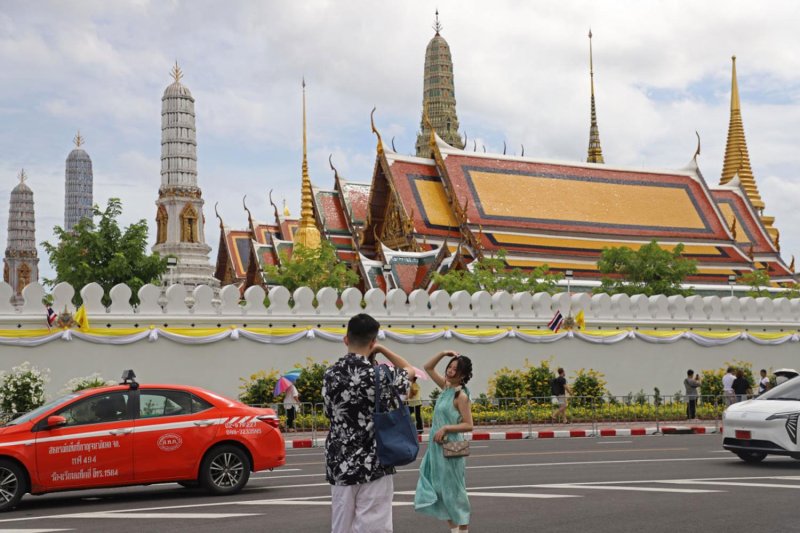
Strategic Growth And Market Optimism For Thai Travel Agents
The landscape of regional tourism is poised for a significant transformation as Thai travel agents gear up for a major influx of visitors from the Chinese mainland during the upcoming Lunar New Year. Industry leaders are observing a palpable sense of optimism as the perception of the kingdom as a premier destination coincides with a substantial increase in flight capacity. During the recent Thailand Tourism and Mice Next 2026 fair, it was highlighted that the coordination between local operators and international partners is essential for managing the expected pickup in arrivals.
While independent travelers currently dominate the market share, the structured support provided by professional agencies remains a cornerstone for the industry recovery. The association representing these professionals is predicting a robust total of thirty-nine million foreign arrivals this year, marking a nearly twenty percent improvement over the previous year figures. This ambitious growth trajectory is supported by a significant budget of fifteen million baht allocated for business to business events that connect buyers and sellers from massive markets like China and India.
By fostering these connections, the local tourism sector aims to generate billions in bookings, revitalizing areas that have previously faced challenges such as environmental disruptions. The strategic focus on high value segments and extended stay visitors ensures that the economic impact is felt across various service providers, from luxury hotels to local transportation networks. This resurgence is not merely a return to form but a recalibration of the industry to better serve the modern traveler.
Navigating International Roadshows And Diplomatic Opportunities
To sustain this momentum, the leading association for the industry is preparing a comprehensive series of international roadshows designed to penetrate key demographic markets throughout Asia. These missions, often conducted in partnership with national tourism authorities, target major urban centers like Shanghai to re-establish the brand presence of the country among potential vacationers. Beyond the mainland, the outreach extends to vibrant markets in India, South Korea, Taiwan, and neighboring Southeast Asian nations.
A notable development in this strategy involves formal agreements with regional governments, such as the memorandum of understanding signed between ten prominent agencies and administrative bodies in Taiwan. These partnerships are intended to strengthen reciprocal travel flows and create specialized packages that cater to specific cultural preferences. As the Lunar New Year approaches, digital promotional efforts have been intensified across several online platforms to capture the early booking window.
The availability of visa-free entry continues to be a primary driver for demand, making the destination more accessible than many of its regional competitors. Furthermore, shifting geopolitical dynamics in Northeast Asia are inadvertently steering more holiday seekers toward the tropical climate and hospitality of the Southeast. This proactive engagement at the diplomatic and commercial levels demonstrates a sophisticated understanding of market volatility and the need for diversified source markets to ensure long term stability.
Consumer Trends And The Evolution Of Independent Travel
Understanding the changing habits of modern travelers is crucial for maintaining a competitive edge in the global hospitality market. Data indicates that a significant majority of visitors are now opting for independent travel rather than traditional large-scale group tours. This shift toward autonomy is particularly prevalent among the younger demographic who prioritize flexibility and personalized experiences in locations like Bangkok, Pattaya, and Hua Hin.
Despite persistent concerns regarding digital safety and regional natural occurrences, the country remains a top tier choice due to its established infrastructure and diverse attractions. The current holiday cycle is benefiting from a longer duration of up to nine days, allowing tourists to engage in more immersive activities and spend more time exploring local culture. The rise of last-minute bookings facilitated by mobile applications has also changed the way service providers manage their inventory.
Industry experts suggest that the focus should remain on providing high quality, secure environments that address the specific needs of these independent explorers. By integrating advanced technology with traditional hospitality, the sector is successfully navigating the transition to a more digital centric marketplace. The continued collaboration between online platforms and physical agencies ensures that the destination can cater to both the tech-savvy solo traveler and the remaining segment of organized tour groups.
Macroeconomic Drivers And Tourism Infrastructure Resilience
From a professional financial and analytical perspective, the projected surge in arrivals represents a critical pivot point for the national economy, transitioning from a period of recovery to one of expansionary growth. We interpret the thirty-nine million visitor target as a signal of high confidence in the underlying hospitality infrastructure, which has demonstrated remarkable elasticity in the face of currency fluctuations and regional competition. The shift toward a nine million Chinese visitor goal indicates a strategic bet on the stabilization of the mainland economy and the continued appeal of the kingdom as a defensive travel asset during times of geopolitical friction elsewhere.
The market impact of these trends will likely manifest in a significant appreciation of the hospitality REITs and aviation stocks within the local bourse, as higher load factors and average daily rates bolster balance sheets. By analyzing the current booking curves, we observe that the move away from low-quality group tourism toward high-yield independent travelers is effectively raising the floor for the national tourism revenue per capita. This fundamental change in traveler profile requires a more capital-intensive approach to service delivery, favoring established operators who can provide the safety and reliability that modern consumers demand in a post-digital era.
Furthermore, the expansion of bilateral agreements with regions like Taiwan suggests a move toward a more integrated Asian travel corridor, which mitigates the risk of over-reliance on a single source market. The fiscal impact of this diversification is profound, as it creates a more predictable revenue stream that can withstand localized economic downturns. We project that as the visa-free programs mature, the operational focus will shift from acquisition to retention, utilizing big data from online travel agents to personalize the visitor experience. Ultimately, the industry is entering a phase where quality of experience and technological integration will be the primary determinants of regional market share, positioning the nation as a sophisticated hub for global mobility.