Capitalargo.com – The Regional Comprehensive Economic Partnership (RCEP) marks one of the most ambitious trade agreements in history, connecting 15 Asia-Pacific nations into a unified economic framework. For Malaysia, a key member ofParm ASEAN, the RCEP holds transformative potential—reshaping its trade dynamics, industrial landscape, and long-term competitiveness.
The economic effects of the RCEP agreement on Malaysia are both immediate and enduring, touching on exports, investments, digital trade, and regional cooperation. As global trade shifts toward Asia, understanding how RCEP positions Malaysia for sustainable growth becomes crucial not only for policymakers but also for businesses seeking to thrive in this evolving environment.
This article provides an in-depth analysis of how Malaysia’s participation in RCEP could influence its economy over the next decade, including opportunities, challenges, and the country’s readiness to capitalize on regional integration.
Understanding the RCEP Agreement

Before examining the economic effects of the RCEP agreement on Malaysia, it’s important to understand what RCEP represents. Signed in November 2020 and effective from early 2022, RCEP includes 10 ASEAN countries—along with China, Japan, South Korea, Australia, and New Zealand. Collectively, this bloc covers nearly 30% of global GDP and one-third of the world’s population, making it the largest trade agreement ever implemented.
RCEP’s main objective is to simplify and harmonize trade rules, reduce tariffs, facilitate cross-border investment, and strengthen supply chain resilience. Unlike other agreements focusing only on tariff reduction, RCEP also covers e-commerce, intellectual property, and competition policies, making it a comprehensive blueprint for long-term regional cooperation.
Malaysia’s Strategic Role within RCEP
Malaysia occupies a strategic position within Southeast Asia, serving as a manufacturing hub and logistics gateway between East and West. This gives the country a unique advantage in benefiting from the economic effects of the RCEP agreement on Malaysia.
With a well-diversified economy—ranging from electronics and palm oil to automotive and digital services—Malaysia stands to leverage RCEP’s market access provisions to expand exports and attract new investments. The agreement simplifies supply chain linkages between Malaysia and major economies such as China, Japan, and South Korea, which are key trading partners.
Moreover, Malaysia’s proactive approach to trade liberalization and digital economy transformation aligns well with RCEP’s framework, ensuring smoother integration into the regional ecosystem. According to recent projections, Malaysia’s economy is expected to grow by 4.1% in the coming years, partly supported by enhanced regional trade frameworks like RCEP.
Long-Term Economic Effects of the RCEP Agreement on Malaysia

The economic effects of the RCEP agreement on Malaysia can be categorized into several dimensions that will shape the country’s trajectory over the coming decades.
Trade Expansion and Export Competitiveness
RCEP offers Malaysian exporters preferential access to a vast market of over 2.2 billion consumers. By reducing or eliminating tariffs on more than 90% of traded goods, Malaysian products—from semiconductors to agricultural commodities—will face fewer barriers in entering major markets such as China, Japan, and South Korea.
Over the long term, this could enhance Malaysia’s export competitiveness and diversify its trade portfolio. As global manufacturing networks become more integrated, Malaysia’s participation in RCEP ensures its continued relevance within regional supply chains. Economists project that Malaysia’s total exports could increase by up to 10% over the next decade, driven by improved market access and reduced trade costs.
Foreign Direct Investment (FDI) Growth
The economic effects of the RCEP agreement on Malaysia also extend to foreign investment inflows. By creating a predictable and transparent investment environment, RCEP makes Malaysia a more attractive destination for multinational corporations seeking to establish operations in Southeast Asia.
Malaysia’s skilled labor force, political stability, and strong industrial infrastructure further reinforce this appeal. Sectors such as electronics, automotive components, and renewable energy are expected to attract significant new investments. Additionally, India is emerging as a key strategic partner for Malaysia, opening new avenues for technology transfer and joint ventures under the RCEP framework.
Strengthening Supply Chain Resilience
The COVID-19 pandemic exposed the fragility of global supply chains. RCEP helps mitigate such vulnerabilities by facilitating deeper regional cooperation and flexibility in sourcing materials.
For Malaysia, this means greater integration into East Asian supply chains, particularly in high-value manufacturing industries such as semiconductors and electric vehicles. The long-term economic effects of the RCEP agreement on Malaysia include enhanced supply chain stability and reduced dependence on Western markets.
This resilience supports Malaysia’s vision to become a high-tech manufacturing center and innovation-driven economy.
Digital Economy and E-Commerce Integration
RCEP also incorporates provisions for e-commerce and digital trade, which will play a crucial role in shaping Malaysia’s future economy. The economic effects of the RCEP agreement on Malaysia in this area include greater access to digital markets, standardized data protection laws, and improved cross-border e-payment systems.
Malaysia’s MyDigital blueprint and rapid growth in online entrepreneurship align with RCEP’s goals. By adopting shared standards and regulations, Malaysian digital businesses can scale regionally, reaching new consumers and partners across Asia-Pacific. Enhanced digital infrastructure, such as Telekom Malaysia’s new submarine cable projects, will further accelerate this digital integration.
Boosting Small and Medium Enterprises (SMEs)
Small and medium enterprises form the backbone of Malaysia’s economy, contributing significantly to GDP and employment. Under RCEP, these enterprises gain access to simplified trade procedures, digital platforms, and lower compliance costs.
The economic effects of the RCEP agreement on Malaysia’s SMEs could be transformative, as they can now connect with regional partners, leverage e-commerce channels, and diversify export destinations. With government support and digital literacy programs, SMEs are expected to become key drivers of inclusive growth within the RCEP ecosystem.
Potential Challenges and Structural Adjustments
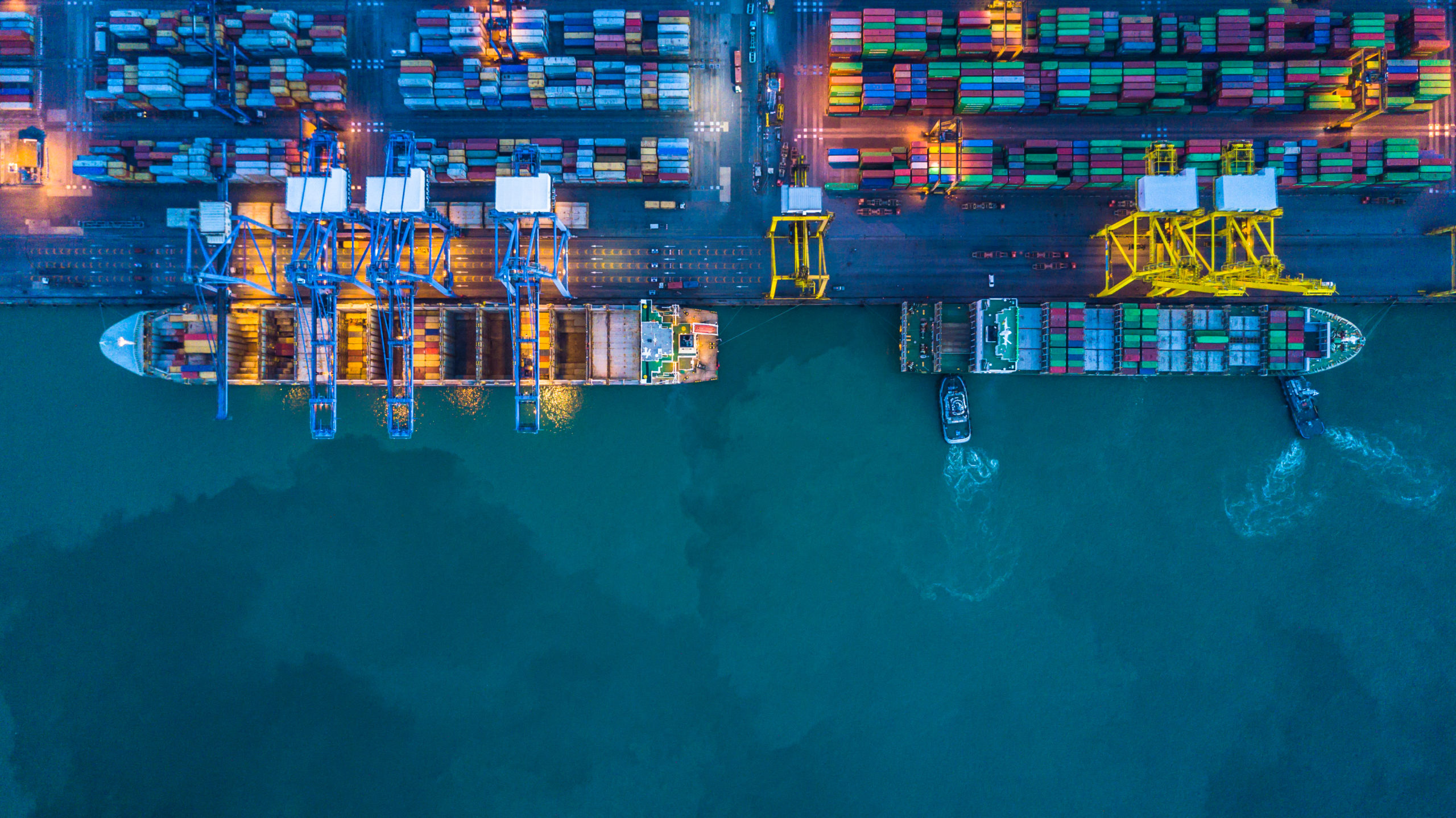

Despite its promising outlook, the economic effects of the RCEP agreement on Malaysia are not without challenges. Trade liberalization can expose local industries to intense competition from more advanced economies within the bloc, such as Japan and South Korea.
Certain domestic sectors—like agriculture, textiles, and low-value manufacturing—may face short-term disruptions as imports become cheaper. To mitigate these risks, Malaysia needs to enhance productivity, upgrade technology, and strengthen workforce skills.
Furthermore, implementing uniform standards across 15 member nations can be complex. Malaysia’s ability to fully benefit from RCEP depends on efficient policy coordination, digital infrastructure development, and alignment of regulatory frameworks.
Environmental and Social Dimensions
As Malaysia deepens its integration into regional trade, attention must also be given to sustainability. The economic effects of the RCEP agreement on Malaysia extend beyond financial metrics to include social and environmental outcomes.
Increased industrial activity could raise concerns over carbon emissions and resource management. To address this, Malaysia’s green economy initiatives—such as renewable energy expansion and ESG adoption—must progress in parallel with trade growth.
On the social front, ensuring that RCEP’s benefits reach all segments of society is vital. This includes supporting workers in affected industries, promoting gender inclusion, and improving education to prepare future generations for global competition.
Government Policy and Strategic Response
To maximize the economic effects of the RCEP agreement on Malaysia, the government has rolled out several strategic initiatives. These include the National Trade Blueprint, aimed at strengthening export ecosystems, and the Industry4WRD Policy, which accelerates industrial digitalization.
Collaboration between public institutions, private enterprises, and academia is essential to translate RCEP opportunities into tangible economic gains. Furthermore, Malaysia’s participation in RCEP complements its involvement in other trade agreements such as the Comprehensive and Progressive Agreement for Trans-Pacific Partnership (CPTPP), giving the nation diversified access to global markets.
Long-Term Outlook: Sustained Growth Through Regional Integration
Over the next 10 to 20 years, the long-term economic effects of the RCEP agreement on Malaysia are expected to reshape the nation’s economic landscape.
Malaysia will likely strengthen its position as a regional manufacturing hub, digital economy leader, and logistics gateway for Asia-Pacific. Continuous investment in human capital, technology, and sustainability will determine how effectively the nation captures these gains.
Economic modeling studies by various institutions estimate that Malaysia’s GDP could expand by an additional 1.5% to 2.5% annually due to RCEP-driven trade and investment flows. This growth is further bolstered by initiatives like the Visit Malaysia 2026 campaign, which aims to revive tourism and attract high-value visitors from RCEP member countries.
Building Resilience in an Interconnected Future
The economic effects of the RCEP agreement on Malaysia underscore the importance of adaptability and forward-thinking policymaking. While challenges exist, the long-term benefits far outweigh the risks.
RCEP positions Malaysia not just as a participant but as a pivotal connector within Asia’s economic architecture. By fostering innovation, sustainability, and inclusivity, Malaysia can ensure that regional integration translates into national prosperity.
As global trade continues to evolve, RCEP provides the platform for Malaysia to future-proof its economy, elevate its industries, and secure lasting economic resilience.